|
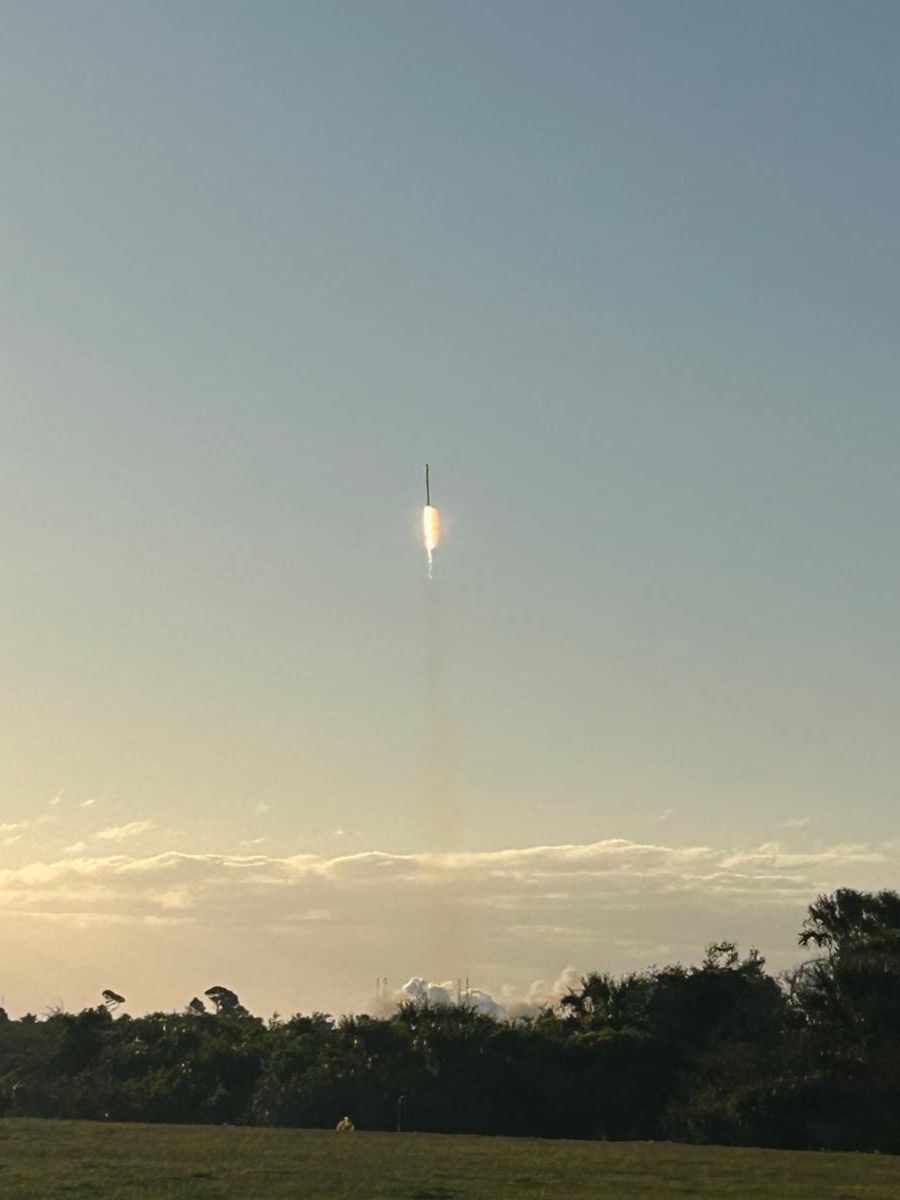
NASA is sending more science, technology demonstrations, and crew supplies to the International Space Station following the successful launch of the agency’s Northrop Grumman Commercial Resupply Services 24 mission, or Northrop Grumman CRS-24.
Northrop Grumman’s Cygnus XL spacecraft, carrying approximately 11,000 pounds of cargo to the orbiting laboratory, lifted off at 7:41 a.m. EDT Saturday on a SpaceX Falcon 9 rocket from Space Launch Complex 40 at Cape Canaveral Space Force Station in Florida.
Watch live coverage of the spacecraft’s arrival to the space station beginning at 12 p.m. on Monday, April 13, on NASA+, Amazon Prime, and the agency’s YouTube channel. Learn how to watch NASA content through a variety of online platforms, including social media.
Cygnus XL is scheduled to be captured at 12:50 p.m. by the station’s Canadarm2 robotic arm, operated by NASA astronauts Jack Hathaway and Chris Williams. After capture, the spacecraft will be installed on the Unity module’s Earth-facing port for cargo unloading.
NASA’s arrival and capture coverage is as follows (all times Eastern and subject to change based on real-time operations):
Monday, April 13
12 p.m. – Arrival coverage begins on NASA+, Amazon Prime, and the agency’s YouTube channel.
12:50 p.m. – Capture of Cygnus XL with the space station’s robotic arm.
The resupply mission is carrying dozens of research experiments that will be conducted during Expedition 74/75, including a new module to advance quantum science that could improve computing technology and aid in the search for dark matter, and hardware to produce a greater number of therapeutic stem cells for blood diseases and cancer. Cygnus also carries model organisms to study the gut microbiome and a receiver that could enhance space weather models to protect critical space infrastructure, such as GPS and radar.
These experiments are just some of the hundreds of scientific investigations conducted aboard the orbiting laboratory in the areas of biology and biotechnology, Earth and space science, physical sciences, and technology development and demonstrations.
Cygnus XL is scheduled to remain at the orbiting laboratory until October, before it departs and disposes of thousands of pounds of trash through its re-entry into Earth’s atmosphere, where it will harmlessly burn up.
Northrop Grumman named the spacecraft the S.S. Steven R. Nagel in honor of the former NASA astronaut who flew four space shuttle missions, commanded the Gamma Ray Observatory deployment, and logged 723 hours in space.
Learn more about this NASA commercial resupply mission at:
|