| |
NASA History News & Notes
JUNE 2026 • Volume 43, Number 5
| | |
CONTENTS
- How NASA celebrated America’s bicentennial in 1976
- Don’t miss our next Speaker Series presentation in July
- NACA online resources win an award
- How well do you know historic lunar exploration equipment?
| | |
HISTORY HIGHLIGHT
Five Ways NASA Celebrated America's Bicentennial
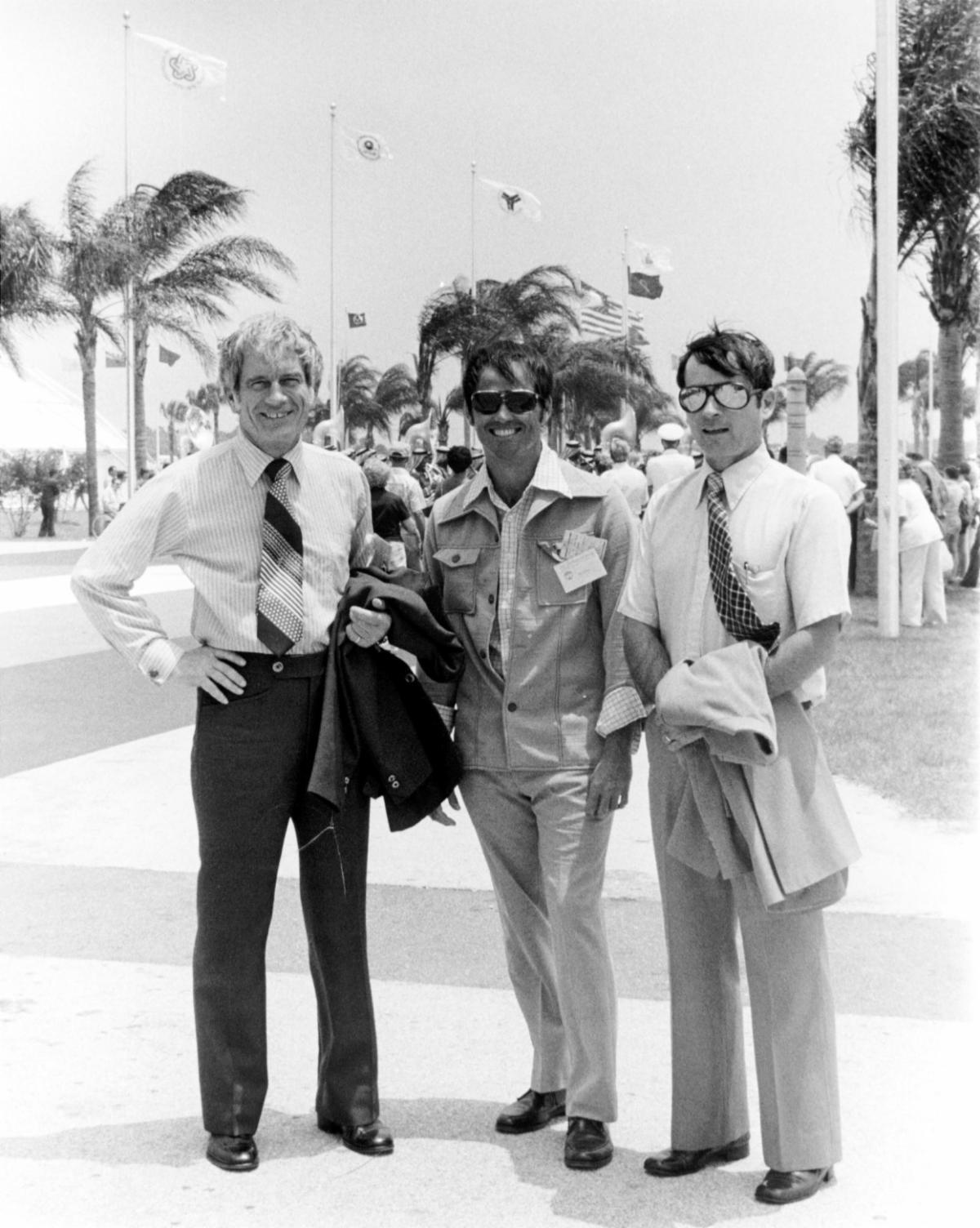
| | In 1976, America's yearlong celebration of its bicentennial gave NASA the opportunity to showcase its achievements and future ambitions to the American public. Along with picnics, open houses, and other activities at NASA’s centers, here are five ways NASA marked the country's 200th birthday. | | Astronauts Deke Slayton, Bob Crippen, and John Young were guests at the June 14, 1976, dedication ceremonies for Third Century America. Credit: NASA |
|
1. Third Century America
From May 30 to September 7, 1976, NASA’s Kennedy Space Center hosted the “Third Century America” Exposition. NASA managed the only federally sponsored Bicentennial exposition, an event that featured 15 huge geodesic domes clustered around the Vehicle Assembly Building (VAB). The event showcased science and technology contributions from 16 government agencies, a handful of technology firms, and colleges and universities. NASA’s exhibits included a Saturn V rocket, a full-scale model of the Spacelab module, the X-24B and HL-10 lifting bodies, a model of the Space Shuttle, a full-scale, operating model of the Viking lander, and design concepts for what would become the Hubble Space Telescope.
|
|
2. Adorning the VAB
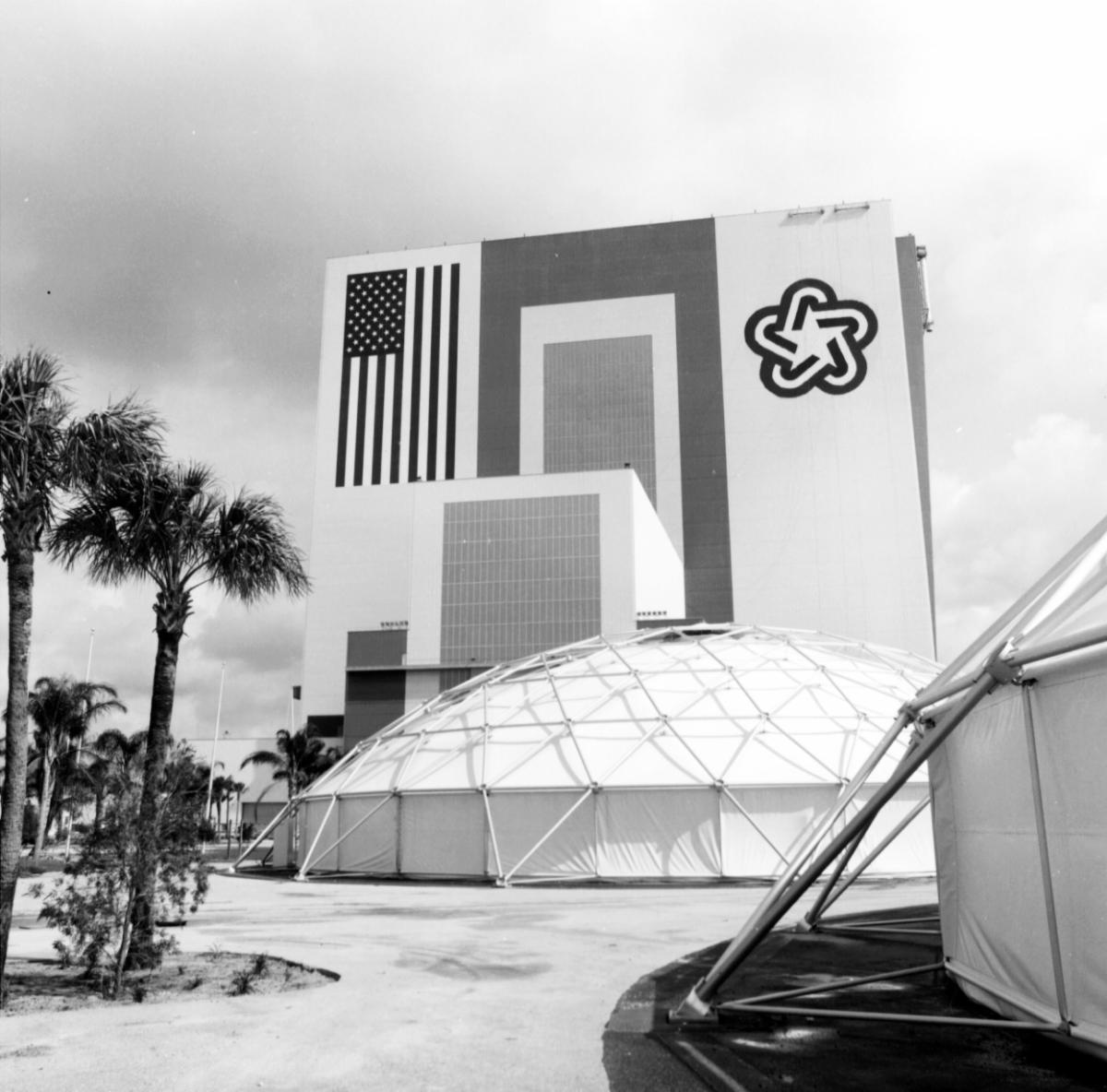
In preparation for the exposition, a beautification effort took place at Kennedy Space Center, including painting the iconic VAB. The largest American flag ever painted (to that date) was added along with the Bicentennial logo—designed by Bruce Blackburn, one of the two artists who created the NASA “worm” logotype. The flag, measuring 209 by 110 feet (64 by 33.5 m), still appears on the VAB, but the Bicentennial symbol was replaced by NASA’s meatball logo in 1998.
|
| May 14, 1976: The massive Vehicle Assembly Building provided the focal point for the Bicentennial Exposition on Science and Technology, Third Century America. The flag and a large bicentennial symbol decorated the side of the building, overlooking the site where 15 domes would house the event’s exhibits. Credit: NASA |
|
3. Timing the Viking 1 Mars Landing
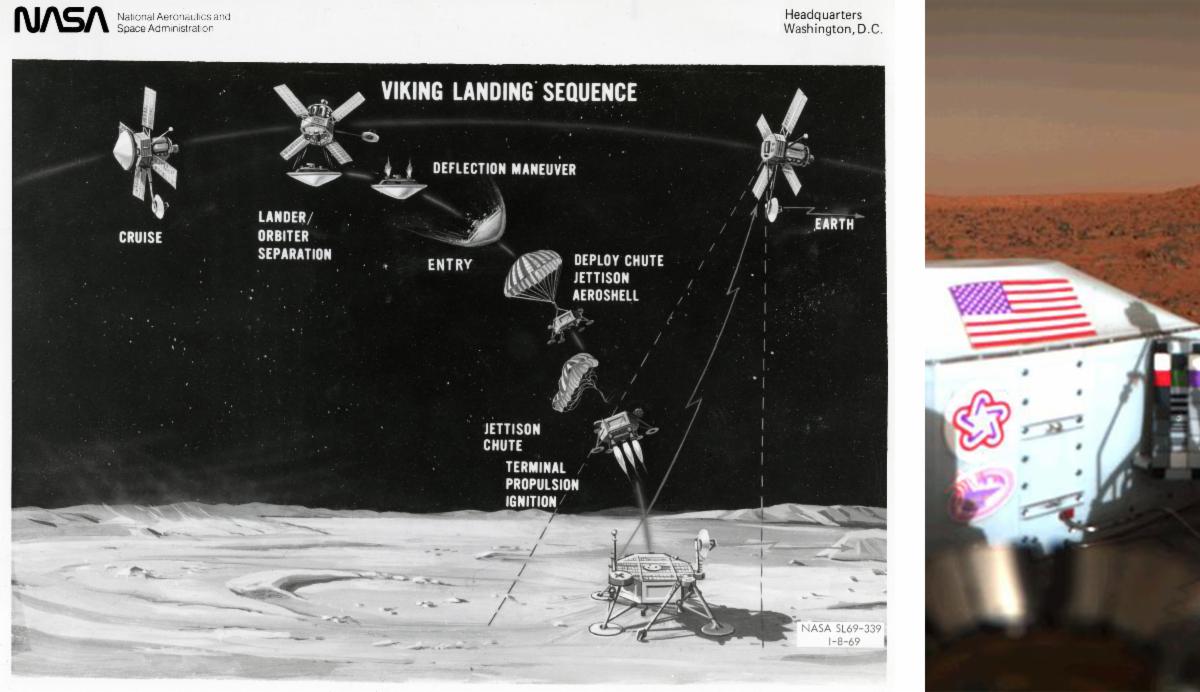
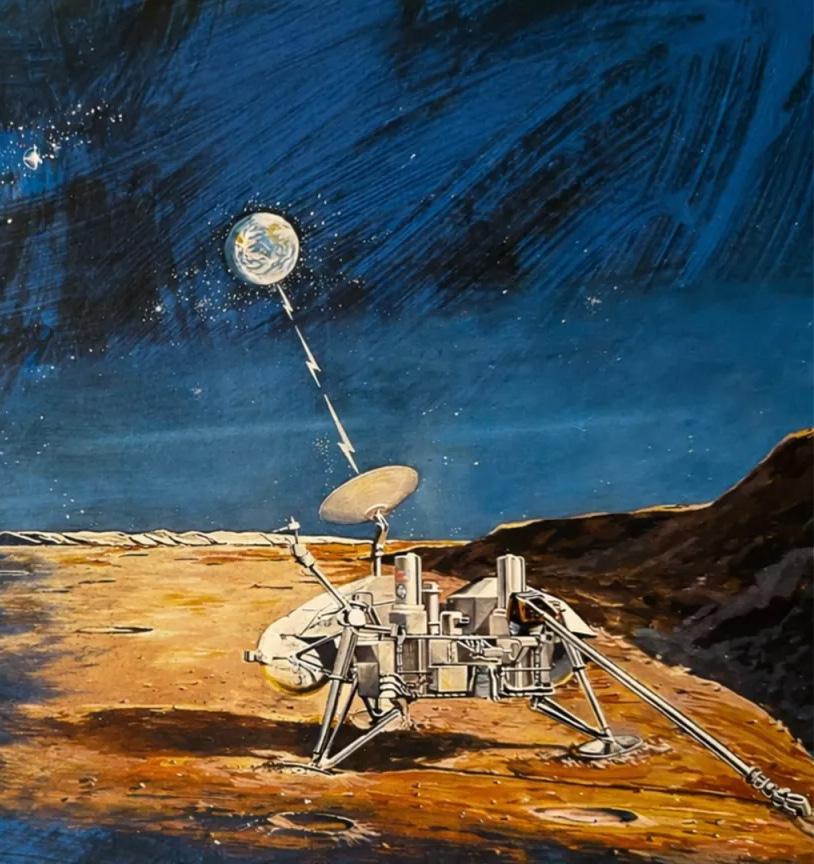
NASA planned for the Viking 1 lander to touch down on Mars on July 4, 1976, the 200th anniversary of the signing of the Declaration of Independence. After the Viking 1 orbiter entered Mars orbit on June 19 that year, imagery returned raised safety concerns about the rocky terrain at the primary landing site, forcing NASA to delay touchdown until July 20—the seventh anniversary of the Apollo 11 lunar landing. That summer, the U.S. flag and Bicentennial logo affixed to the lander appeared in some of the publicized photographs taken from the Martian surface.
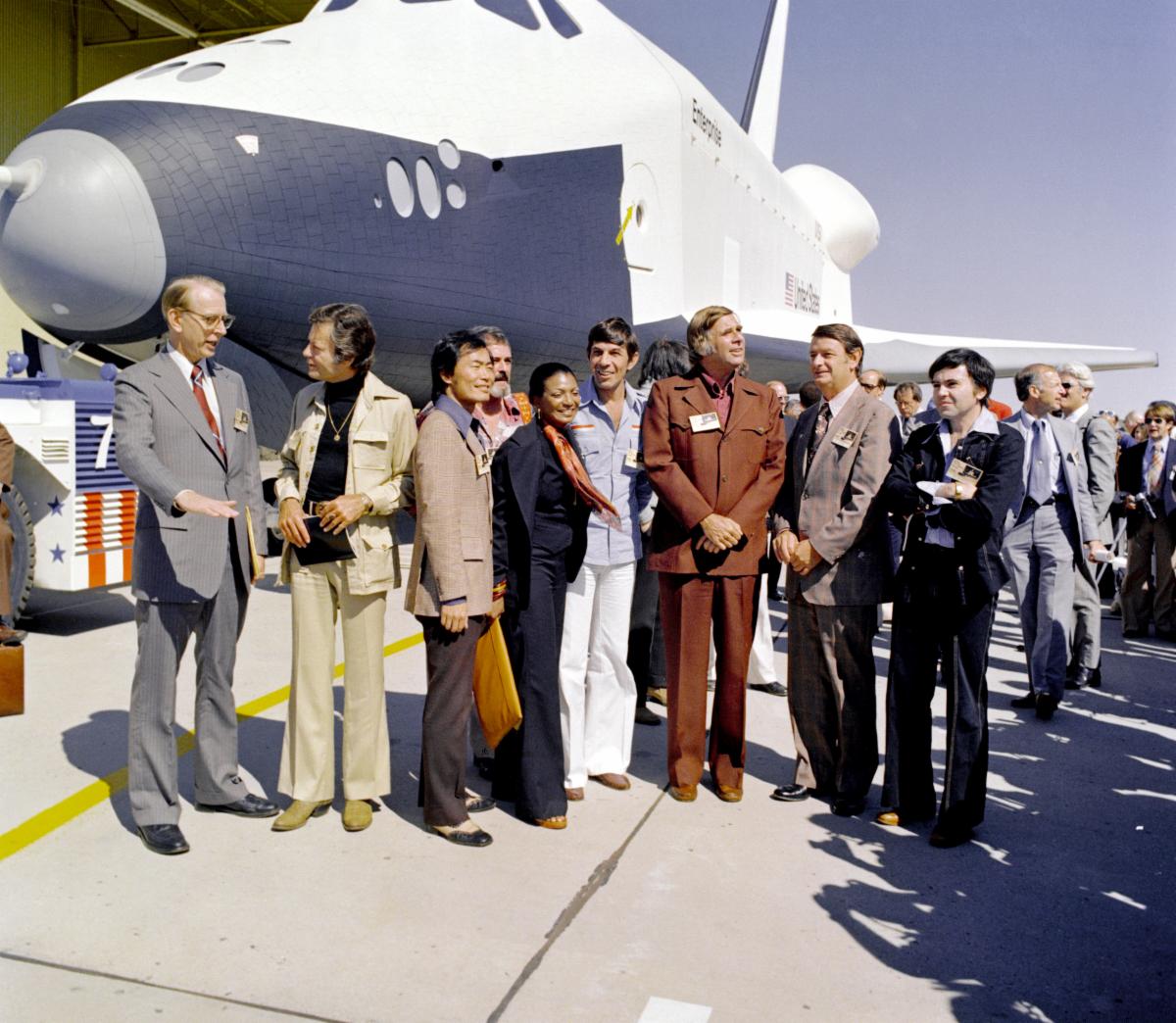
| | Left: An illustration details the sequence of events that would take place just prior to landing Viking 1’s lander on the surface of Mars, originally planned for July 4, 1976, but delayed to July 20. Credit: NASA. Right: On July 26, 1976, Viking 1 returned this color image from the surface of Mars with the U.S. flag, Bicentennial logo, and Viking logo on its Radioisotope Thermoelectric Generator wind screen. Credit: NASA/JPL | | Gene Roddenberry and the cast of Star Trek’s original series were among those who attended the rollout of the prototype Shuttle orbiter, dubbed Enterprise. Credit: NASA |
|
4. Unveiling the First Shuttle
On September 17, 1976, the anniversary of the signing of the U.S. Constitution, NASA held a public rollout ceremony for its first Space Shuttle prototype, Orbiter Vehicle 101, named Enterprise after the USS Enterprise from the popular Star Trek television series. Thousands of spectators, including Gene Roddenberry and the show's cast, attended the ceremony in Palmdale, California. The original name chosen for the orbiter, Constitution, was abandoned thanks in part to a write-in campaign from fans of the science fiction drama.
|
|
5. Planting a "Moon Tree"
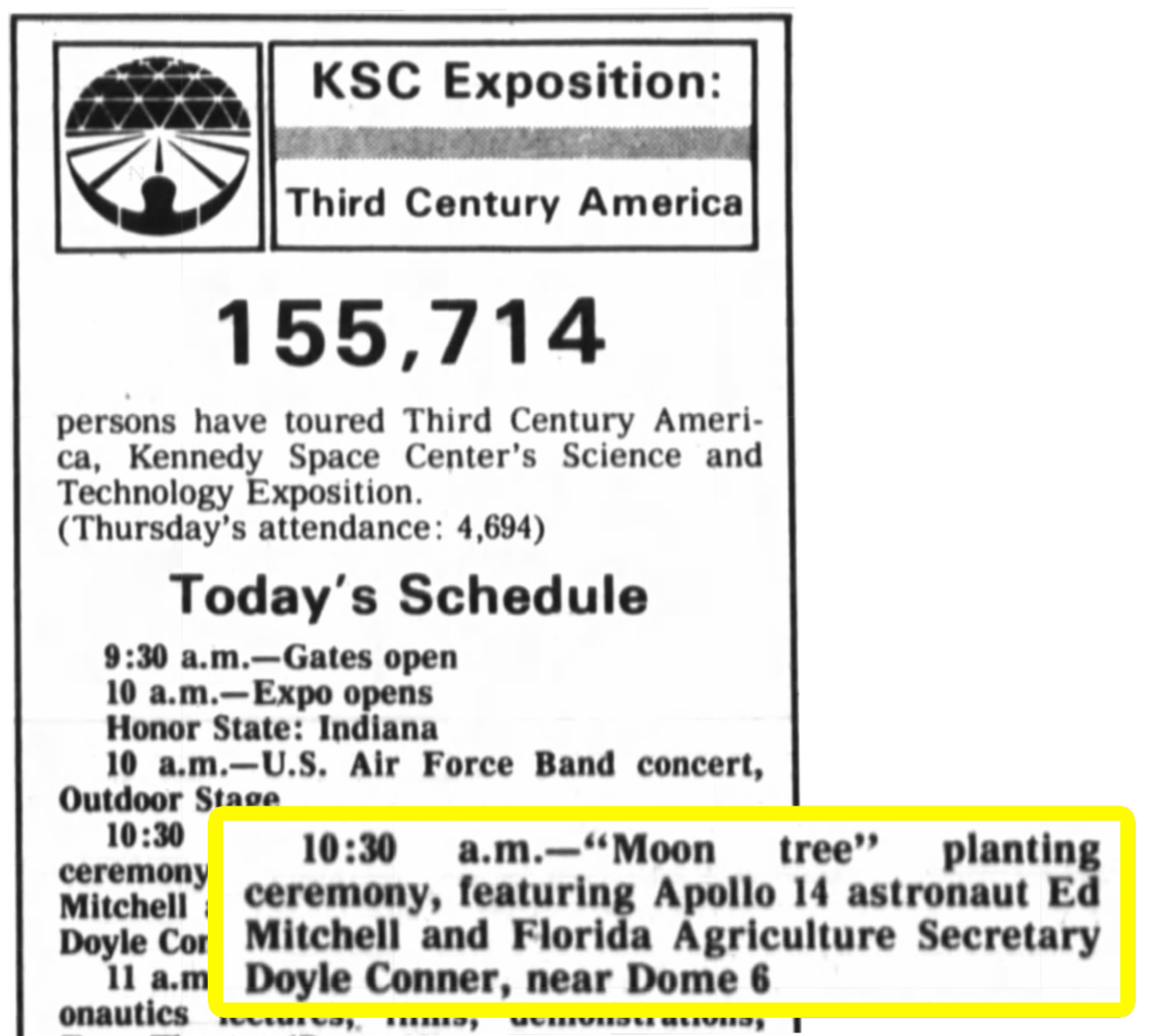
Throughout 1976, dozens of seedlings grown from seeds that flew around the Moon during Apollo 14 were planted across the United States as part of the Bicentennial celebrations. In 1972, the seeds had been carried in the Personal Preference Kit of Apollo 14 command module pilot Stuart Roosa, a former U.S. Forest Service smoke jumper, as part of a joint NASA–U.S. Forest Service project. One of these “Moon Trees” was a sycamore seedling planted in the courtyard of the Kennedy Space Center Visitor Complex. The tree was planted on June 25, 1976, with Apollo 14 astronaut Ed Mitchell taking part in the ceremony.
|
| Clipping from the June 25, 1976 issue of Florida Today. |
| |
Curious about other NASA events that took place 50 years ago? Check out NASA’s 1976 chronology for more.
Michele Ostovar
NASA History Communications Lead
| | |
SPEAKER SERIES
Don't Miss the July Presentation in Our Speaker Series
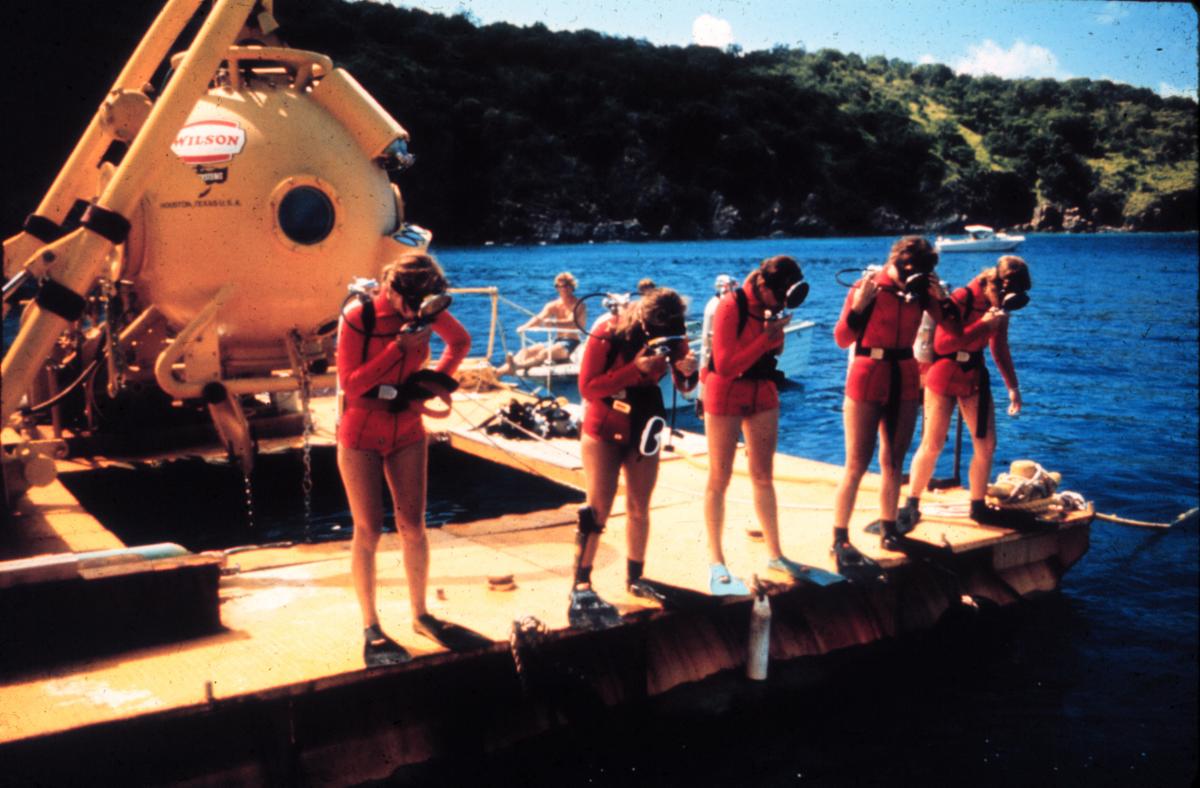
| | Five women that inhabited the Tektite II underwater laboratory train for their 1970 mission. Credit: OAR/National Undersea Research Program (NURP); National Park Service/C. Stoughton | |
On Wednesday, July 29 at 12:00 pm EDT, space historian and curator emerita of the National Air and Space Museum Valerie Neal will present “NASA’s First and Only Mission with an All-Women Crew”
Join us online as Neal shares her research on the five-woman crew that inhabited an underwater laboratory called Tektite II in 1970. The mission gave NASA its first look at women as potential astronauts and was, in effect, NASA’s first mission to include women, not to mention the agency’s only all-women crew. The crew’s performance built confidence in the ability of women scientists and engineers to serve as astronauts, and it may have influenced NASA’s deliberations in the mid-1970s that resulted in recruiting women into the historic astronaut class of 1978.
| | |
CELEBRATING HISTORIC MISSIONS
Viking 50th Anniversary Science Symposium
| | Celebrate the enduring legacy of Viking, the mission to Mars that transformed planetary exploration and helped define the scientific field we now call astrobiology. NASA's Ames Research Center is hosting the Viking 50th Anniversary Science Symposium on Monday, July 20 with a live stream accessible to all. | | | |
Our NACA Online Resources Win an Award | | |
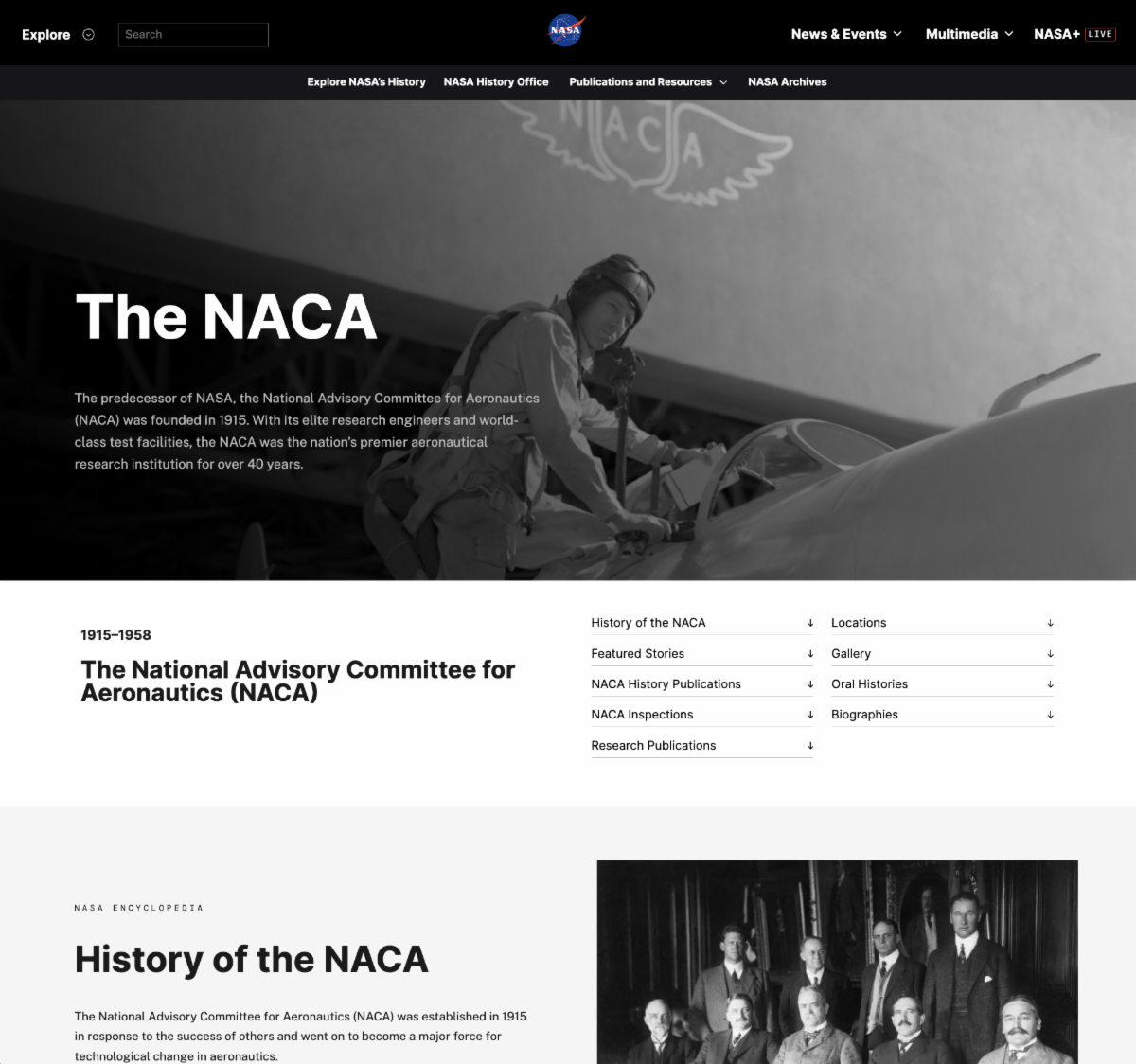
Ahead of the 110th anniversary of the founding of NASA’s predecessor, the National Advisory Committee for Aeronautics (NACA), the NASA History Office took the opportunity to refresh and expand the NACA resources available on nasa.gov. While NASA’s history is widely recognized, the pioneering aeronautics research carried out by the NACA from 1915 to 1958 is less familiar to many.
To honor the NACA's legacy, the History Office organized a clear historic narrative; added biographies, oral histories, and archival imagery; and showcased a rich collection of free historical publications on the NASA website. A new video series, recognized for its creative use of archival images, adds an engaging visual dimension to the NACA story.
In May, the NASA History Office was honored for this work as recipients of the 2025 New Media Award from the Society for History in the Federal Government.
| | |
TRIVIA CHALLENGE
A Closer Look at a Piece of Lunar Exploration History
| | |
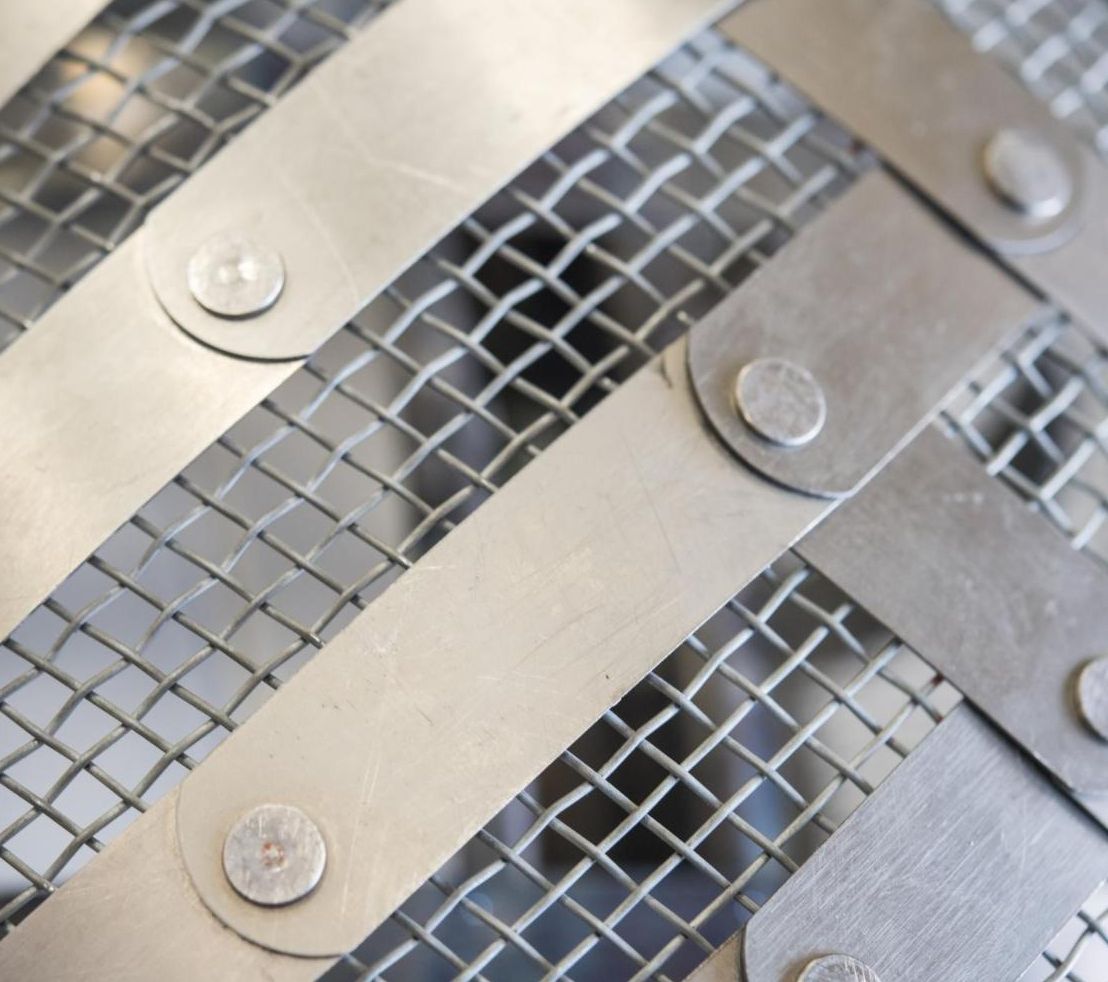
This photo zooms in on a piece of equipment used in NASA's past missions to explore the Moon.
What is it?
| | |
NASA History
The NASA History Office documents and preserves NASA’s remarkable history and strives to engage with the public about NASA's past and how it relates to our world today.
| |
| |
National Aeronautics and Space Administration
NASA explores the unknown in air and space, innovates for the benefit of humanity, and inspires the world through discovery.
Visit nasa.gov
| | | | | |