|
|
|
0 members (),
2,316
guests, and
27
robots. |
|
Key:
Admin,
Global Mod,
Mod
|
|
S |
M |
T |
W |
T |
F |
S |
|
|
|
1
|
2
|
3
|
4
|
5
|
|
6
|
7
|
8
|
9
|
10
|
11
|
12
|
|
13
|
14
|
15
|
16
|
17
|
18
|
19
|
|
20
|
21
|
22
|
23
|
24
|
25
|
26
|
|
27
|
28
|
29
|
30
|
|
|
|
|
There are no members with birthdays on this day. |
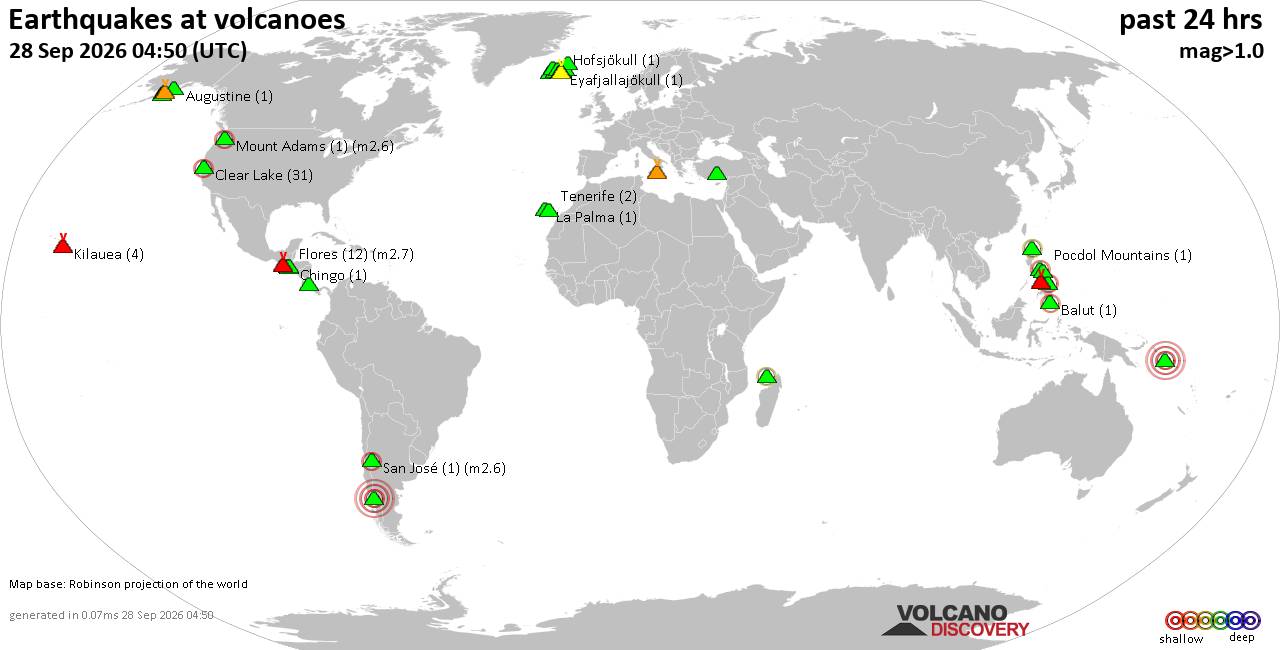
Volcano earthquake report for Monday, 28 September 2026
• M 4.9 - 124 km SE of Pondaguitan, Philippines
• M 4.9 - 124 km SE of Pondaguitan, Philippines
• M 4.2 - 7 km SE of Denali National Park, Alaska
• M 5.4 - north of Svalbard
• M 2.4 - 70 km SSW of Nikolski, Alaska
|

#210353
Wed 19 Mar 2014 01:44:PM
|
Joined: Feb 2001
Posts: 678,977
Launch Director
|
|
Launch Director
Joined: Feb 2001
Posts: 678,977 |
A study strengthens the case for human involvement in the disappearance of New Zealand's iconic megaherbivore, the moa -- a distant relative of the Australian Emu. All nine species of New Zealand moa, the largest weighing up to 250 kilograms, became extinct shortly after Polynesians arrived in the country in the late 13th century.  Source: Ancient DNA shows moa were fine until humans arrived
David Cottle
UBB Owner & Administrator
|
|



CMS The Best Conveyancing solicitors conveyancing quotes throughout the UK
For any webhosting enquiries please email webmaster@aus-city.com
|
|
Entire Thread
|
 Ancient DNA shows moa were fine until humans arrived
|
Webmaster
|
Wed 19 Mar 2014 01:44:PM
|
|
Forums60
Topics844,707
Posts879,502
Members2,960
| |
Most Online102,106
Jul 10th, 2026
|
|
|
|
|

|