|
|
|
0 members (),
2,316
guests, and
27
robots. |
|
Key:
Admin,
Global Mod,
Mod
|
|
S |
M |
T |
W |
T |
F |
S |
|
|
|
1
|
2
|
3
|
4
|
5
|
|
6
|
7
|
8
|
9
|
10
|
11
|
12
|
|
13
|
14
|
15
|
16
|
17
|
18
|
19
|
|
20
|
21
|
22
|
23
|
24
|
25
|
26
|
|
27
|
28
|
29
|
30
|
|
|
|
|
There are no members with birthdays on this day. |
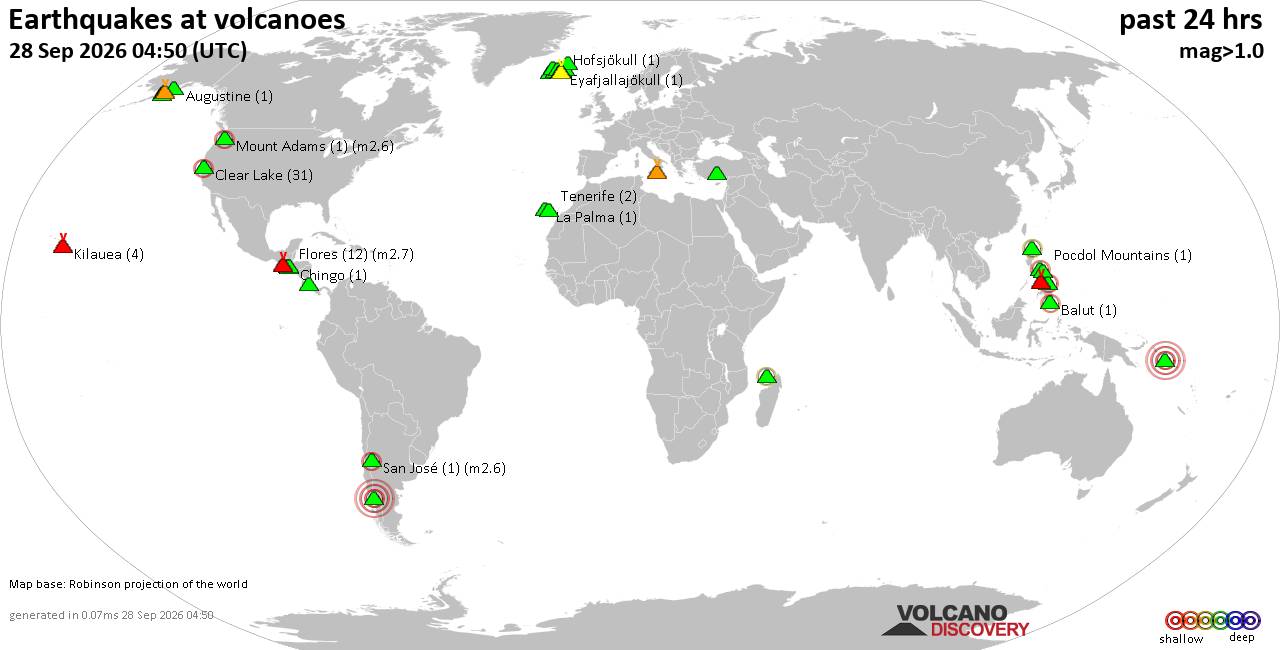
Volcano earthquake report for Monday, 28 September 2026
• M 4.9 - 124 km SE of Pondaguitan, Philippines
• M 4.9 - 124 km SE of Pondaguitan, Philippines
• M 4.2 - 7 km SE of Denali National Park, Alaska
• M 5.4 - north of Svalbard
• M 2.4 - 70 km SSW of Nikolski, Alaska
|

#225111
Wed 28 May 2014 02:33:PM
|
Joined: Feb 2001
Posts: 678,977
Launch Director
|
|
Launch Director
Joined: Feb 2001
Posts: 678,977 |
Swimming fish do not appear to use their collision warning system in the same way as flying insects, according to new research that has compared how zebra fish and bumblebees avoid collisions. The fish surprised the researchers.  Source: Fish more inclined to crash into each other than bees
David Cottle
UBB Owner & Administrator
|
|



CMS The Best Conveyancing solicitors conveyancing quotes throughout the UK
For any webhosting enquiries please email webmaster@aus-city.com
|
|
Entire Thread
|
 Fish more inclined to crash into each other than bees
|
Webmaster
|
Wed 28 May 2014 02:33:PM
|
|
Forums60
Topics844,707
Posts879,502
Members2,960
| |
Most Online102,106
Jul 10th, 2026
|
|
|
|
|

|