|
|
|
0 members (),
1,574
guests, and
23
robots. |
|
Key:
Admin,
Global Mod,
Mod
|
|
S |
M |
T |
W |
T |
F |
S |
|
1
|
2
|
3
|
4
|
5
|
6
|
7
|
|
8
|
9
|
10
|
11
|
12
|
13
|
14
|
|
15
|
16
|
17
|
18
|
19
|
20
|
21
|
|
22
|
23
|
24
|
25
|
26
|
27
|
28
|
|
29
|
30
|
|
|
|
|
|
|
There are no members with birthdays on this day. |
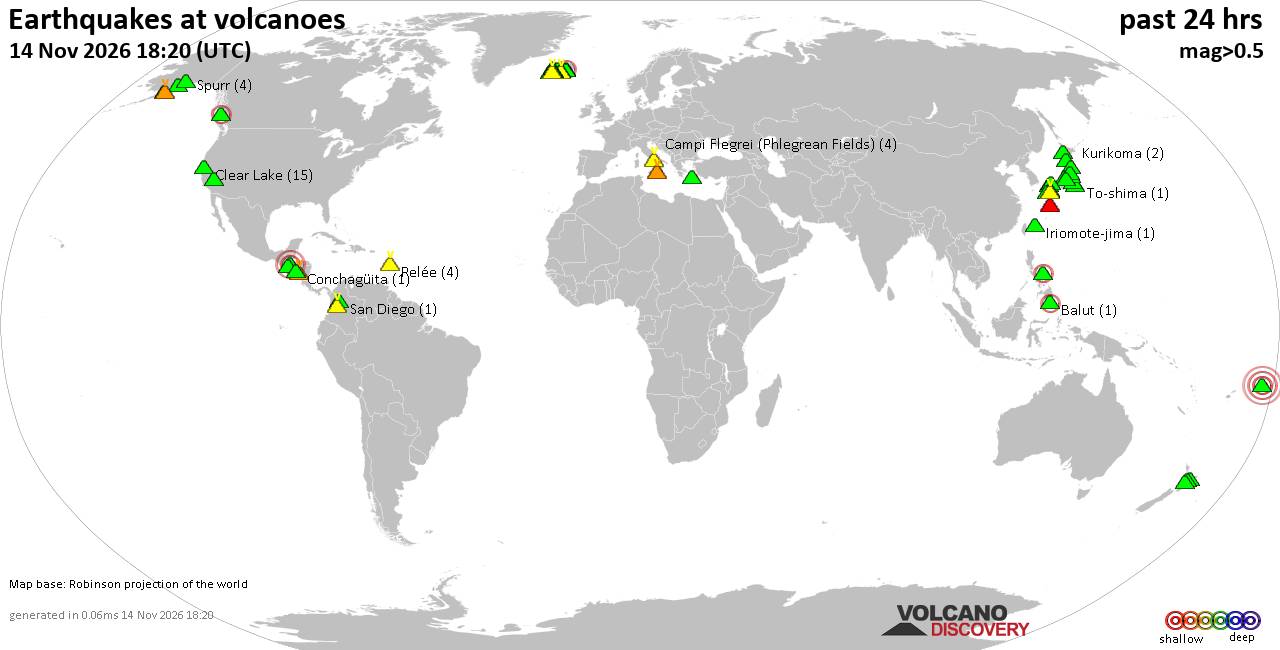
World Earthquake Report for Saturday, 14 November 2026
• M 3.2 - 188 km SSE of Akhiok, Alaska
• M 1.4 - 57 km E of McCarthy, Alaska
• M 2.0 - 16 km NNE of Four Mile Road, Alaska
• M 1.5 - 17 km E of Little Lake, CA
• M 1.1 - 2 km ESE of The Geysers, CA
• M 0.8 - 12 km WNW of The Geysers, CA
|

#226128
Mon 02 Jun 2014 03:58:PM
|
Joined: Feb 2001
Posts: 800,656
Launch Director
|
|
Launch Director
Joined: Feb 2001
Posts: 800,656 |
Astronomers have discovered a new type of planet -- a rocky world weighing 17 times as much as Earth. Theorists believed such a world couldn't form because anything so hefty would grab hydrogen gas as it grew and become a Jupiter-like gas giant. This planet, though, is all solids and much bigger than previously discovered 'super-Earths,' making it a 'mega-Earth.'  Source: Astronomers find a new type of planet: The 'mega-Earth'
David Cottle
UBB Owner & Administrator
|
|



CMS The Best Conveyancing solicitors conveyancing quotes throughout the UK
For any webhosting enquiries please email webmaster@aus-city.com
|
|
Entire Thread
|
 Astronomers find a new type of planet: The 'mega-Earth' |
Webmaster
|
Mon 02 Jun 2014 03:58:PM
|
|
Forums60
Topics927,867
Posts962,664
Members2,960
| |
Most Online102,106
Jul 10th, 2026
|
|
|
|
|

|