|
|
|
1 members (Webmaster),
1,575
guests, and
75
robots. |
|
Key:
Admin,
Global Mod,
Mod
|
|
S |
M |
T |
W |
T |
F |
S |
|
|
|
|
|
|
|
1
|
|
2
|
3
|
4
|
5
|
6
|
7
|
8
|
|
9
|
10
|
11
|
12
|
13
|
14
|
15
|
|
16
|
17
|
18
|
19
|
20
|
21
|
22
|
|
23
|
24
|
25
|
26
|
27
|
28
|
29
|
|
30
|
31
|
|
|
|
|
|
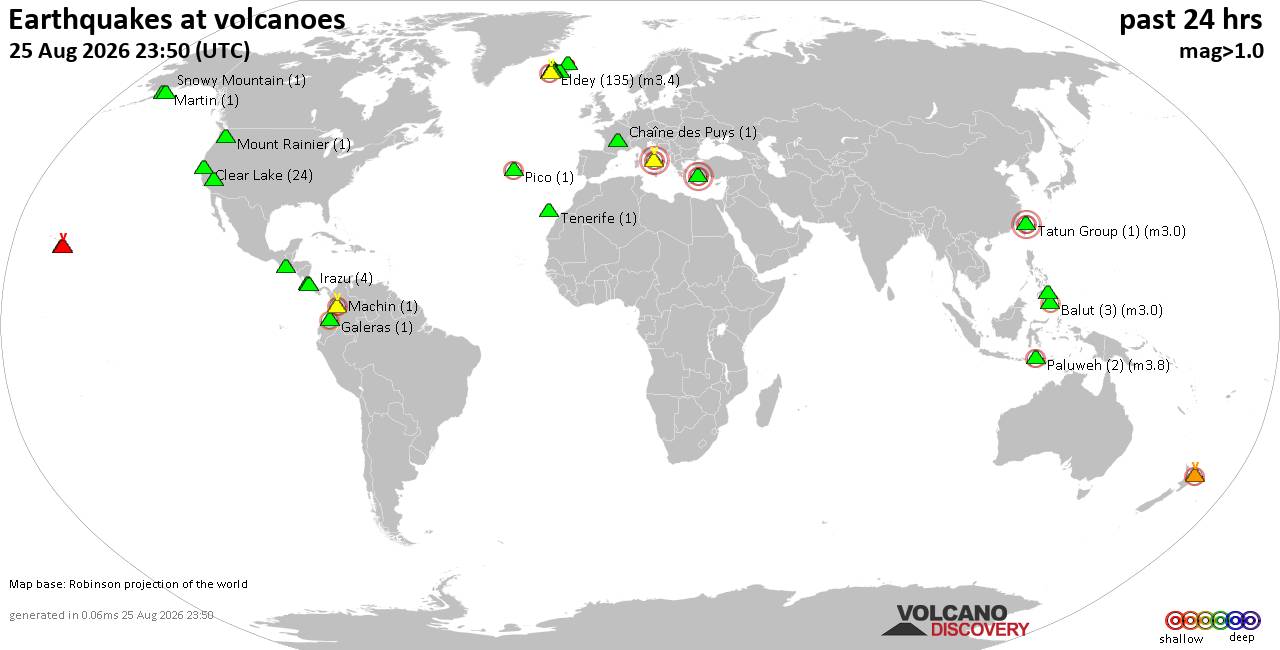
Volcano earthquake report for Tuesday, 25 Aug 2026
• M 2.1 - 61 km SW of Nanwalek, Alaska
• M 1.5 - 9 km WNW of The Geysers, CA
• M 0.3 - 4 km W of Cobb, CA
• M 4.8 - 76 km NNW of Ende, Indonesia
• M -0.2 - 10 km NW of The Geysers, CA
• M 0.3 - 7 km W of Cobb, CA
|

#316575
Thu 09 Jul 2015 02:30:PM
|
Joined: Feb 2001
Posts: 678,977
Launch Director
|
|
Launch Director
Joined: Feb 2001
Posts: 678,977 |
When plants advertise for pollinators they frequently also attract herbivores. Scientists have demonstrated in field trials that the flowers of the coyote tobacco Nicotiana attenuata are able to solve this dilemma. The researchers showed that when flowers produce both scent and nectar and are visited by three different pollinators, their outcrossing increases. Moreover, both floral traits influenced oviposition by the hawkmoth Manduca sexta.  Source: Deceptive flowers: How flowers use scent, nectar to manipulate pollinators, herbivores
David Cottle
UBB Owner & Administrator
|
|



CMS The Best Conveyancing solicitors conveyancing quotes throughout the UK
For any webhosting enquiries please email webmaster@aus-city.com
|
|
Entire Thread
|
 Deceptive flowers: How flowers use scent, nectar to manipulate pollinators, herbivores
|
Webmaster
|
Thu 09 Jul 2015 02:30:PM
|
|
Forums60
Topics813,200
Posts847,993
Members2,960
| |
Most Online102,106
Jul 10th, 2026
|
|
|
|
|

|