|
|
|
1 members (Alisa),
1,680
guests, and
23
robots. |
|
Key:
Admin,
Global Mod,
Mod
|
|
S |
M |
T |
W |
T |
F |
S |
|
|
|
|
|
1
|
2
|
3
|
|
4
|
5
|
6
|
7
|
8
|
9
|
10
|
|
11
|
12
|
13
|
14
|
15
|
16
|
17
|
|
18
|
19
|
20
|
21
|
22
|
23
|
24
|
|
25
|
26
|
27
|
28
|
29
|
30
|
31
|
|
There are no members with birthdays on this day. |
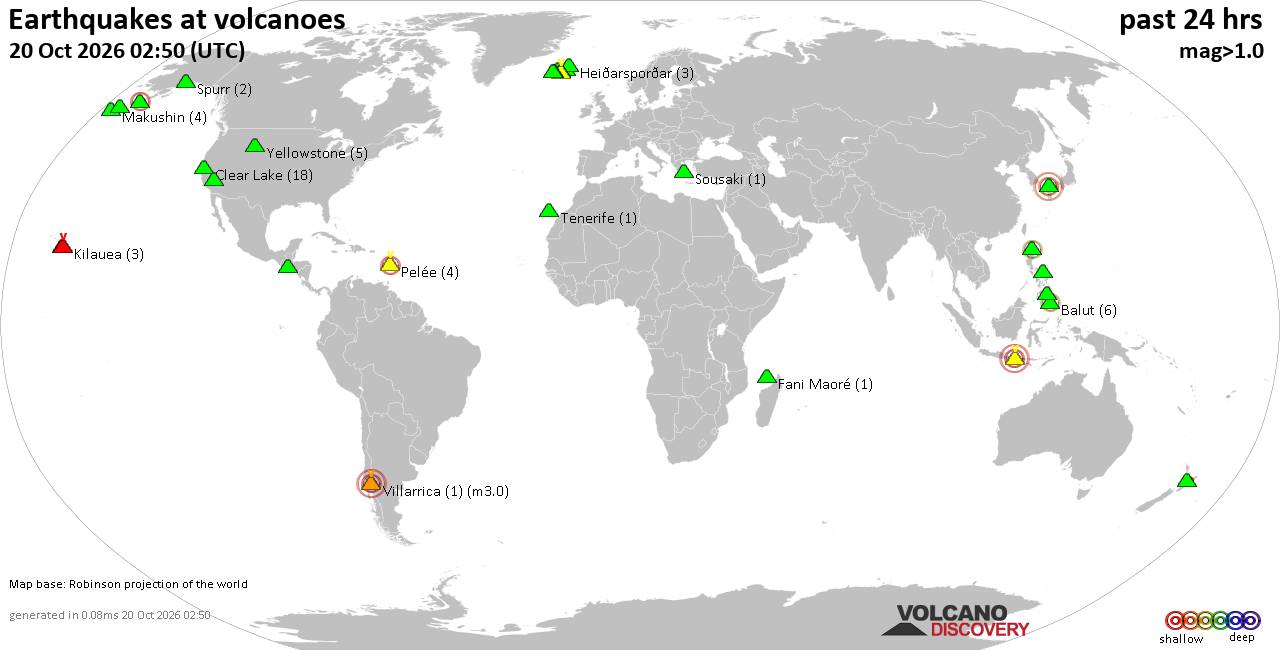
Volcano earthquake report for Tuesday, 20 October 2026
• M 7.7 - 12 km WSW of Pitaloza Arriba, Panama
• M 1.1 - 7 km SSW of Olancha, CA
• M 5.6 - 43 km NNW of Lake Minchumina, Alaska
• M 0.2 - 11 km WNW of Cobb, CA
• M 2.2 - 15 km NNE of Milford, Utah
|

#321937
Tue 04 Aug 2015 06:32:PM
|
Joined: Feb 2001
Posts: 678,977
Launch Director
|
|
Launch Director
Joined: Feb 2001
Posts: 678,977 |
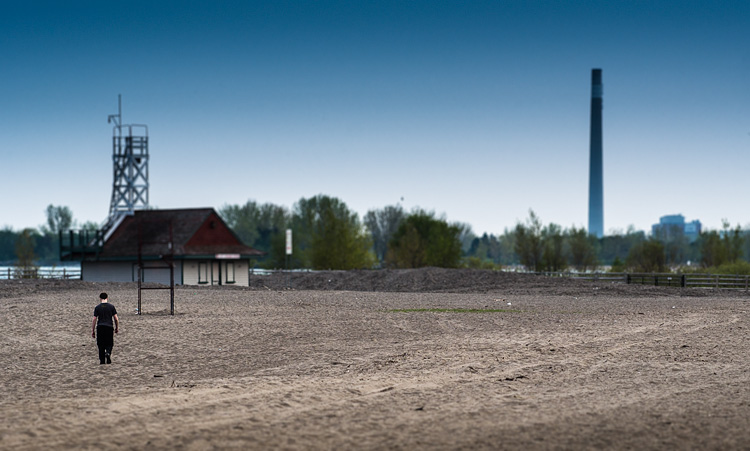
Toxic is bad. Or is it? New studies of seagrasses reveal that they are surprisingly good at detoxifying themselves when growing in toxic seabed. But if seagrasses are stressed by their environment, they lose the ability and die. All over the world seagrasses are increasingly stressed and one factor contributing to this can be lack of detoxification.  Source: Seagrass thrives surprisingly well in toxic sediments, but still dies all over the world
David Cottle
UBB Owner & Administrator
|
|



CMS The Best Conveyancing solicitors conveyancing quotes throughout the UK
For any webhosting enquiries please email webmaster@aus-city.com
|
|
Entire Thread
|
 Seagrass thrives surprisingly well in toxic sediments, but still dies all over the world |
Webmaster
|
Tue 04 Aug 2015 06:32:PM
|
|
Forums60
Topics885,066
Posts919,863
Members2,960
| |
Most Online102,106
Jul 10th, 2026
|
|
|
|
|

|