|
|
|
0 members (),
1,878
guests, and
22
robots. |
|
Key:
Admin,
Global Mod,
Mod
|
|
S |
M |
T |
W |
T |
F |
S |
|
|
|
|
|
1
|
2
|
3
|
|
4
|
5
|
6
|
7
|
8
|
9
|
10
|
|
11
|
12
|
13
|
14
|
15
|
16
|
17
|
|
18
|
19
|
20
|
21
|
22
|
23
|
24
|
|
25
|
26
|
27
|
28
|
29
|
30
|
31
|
|
There are no members with birthdays on this day. |
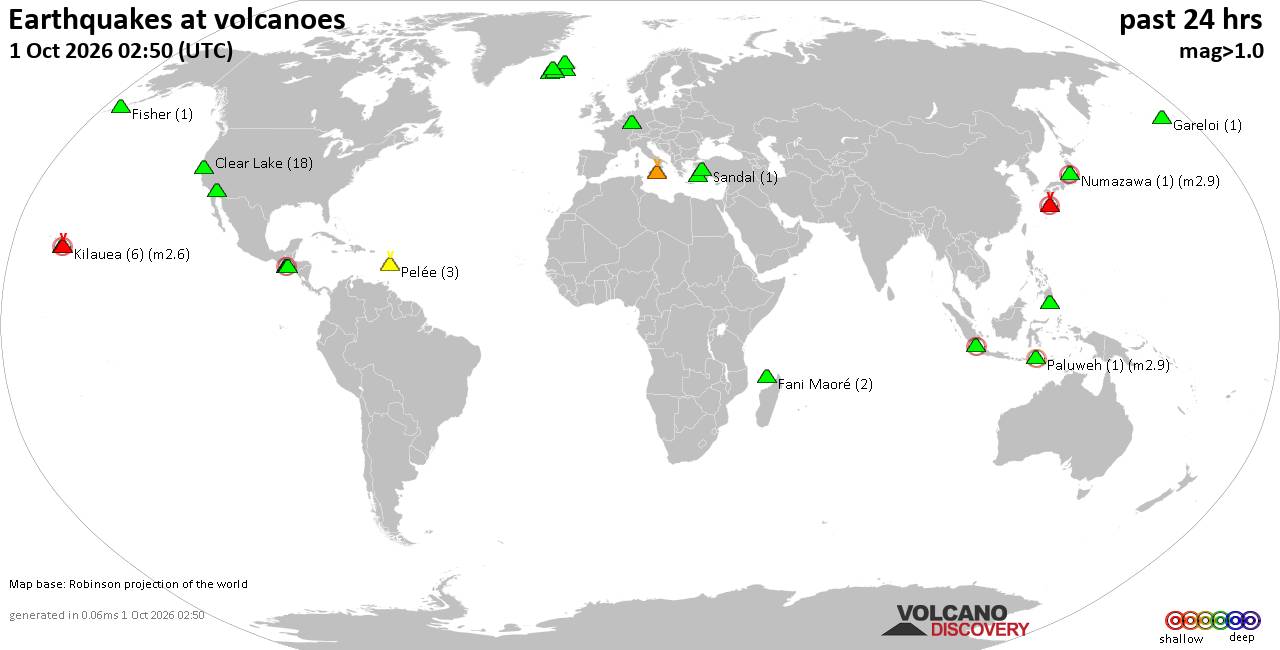
Volcano earthquake report for Thursday, 1 October 2026
• M 3.3 - 82 km SSW of Nikolski, Alaska
• M 1.8 - 68 km WSW of Karluk, Alaska
• M 0.5 - 7 km WNW of Cobb, CA
• M 3.2 - 82 km SSW of Nikolski, Alaska
• M 1.4 - 47 km WNW of Happy Valley, Alaska
• M 1.0 Explosion - 7 km NNE of Airway Heights, Washington
|

#375652
Tue 17 May 2016 04:18:PM
|
Joined: Feb 2001
Posts: 678,977
Launch Director
|
|
Launch Director
Joined: Feb 2001
Posts: 678,977 |
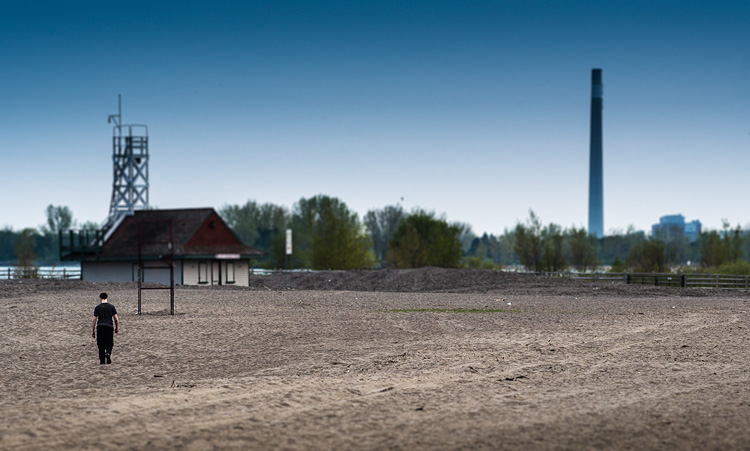
St. Louis' hazy summers can sometimes be too hot to handle for people with respiratory issues; increased ozone levels can make the air tough to breathe. A team of engineers focused on a study of St. Louis' late-summer air quality. They found that naturally occurring compounds processed in the night sky can have a big impact on ozone levels the next day. Source: Chemical emitted by trees can impact St. Louis' ozone levels
David Cottle
UBB Owner & Administrator
|
|



CMS The Best Conveyancing solicitors conveyancing quotes throughout the UK
For any webhosting enquiries please email webmaster@aus-city.com
|
|
Entire Thread
|
 Chemical emitted by trees can impact St. Louis' ozone levels
|
Webmaster
|
Tue 17 May 2016 04:18:PM
|
|
Forums60
Topics851,758
Posts886,553
Members2,960
| |
Most Online102,106
Jul 10th, 2026
|
|
|
|
|

|