Stephanie Schierholz/Grey Hautaluoma Headquarters, Washington 202-358-4997/0668 stephanie.schierholz@nasa.gov grey.hautaluoma-1@nasa.gov
RELEASE: 08-243
NASA DISCUSSES LUNAR EXPLORATION CONCEPTS AND PLANS
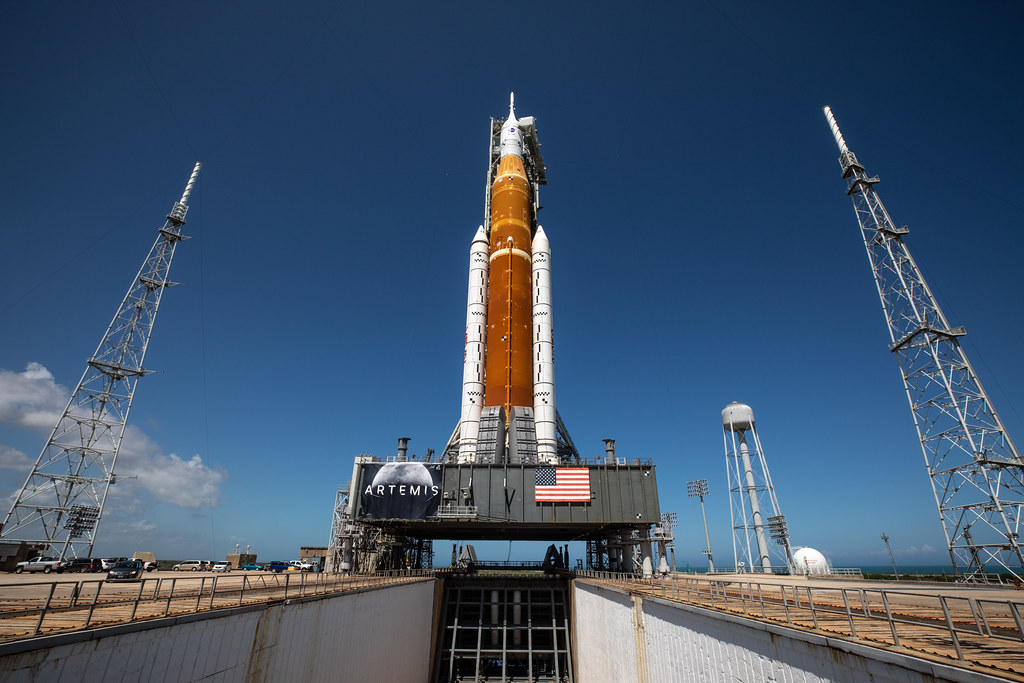
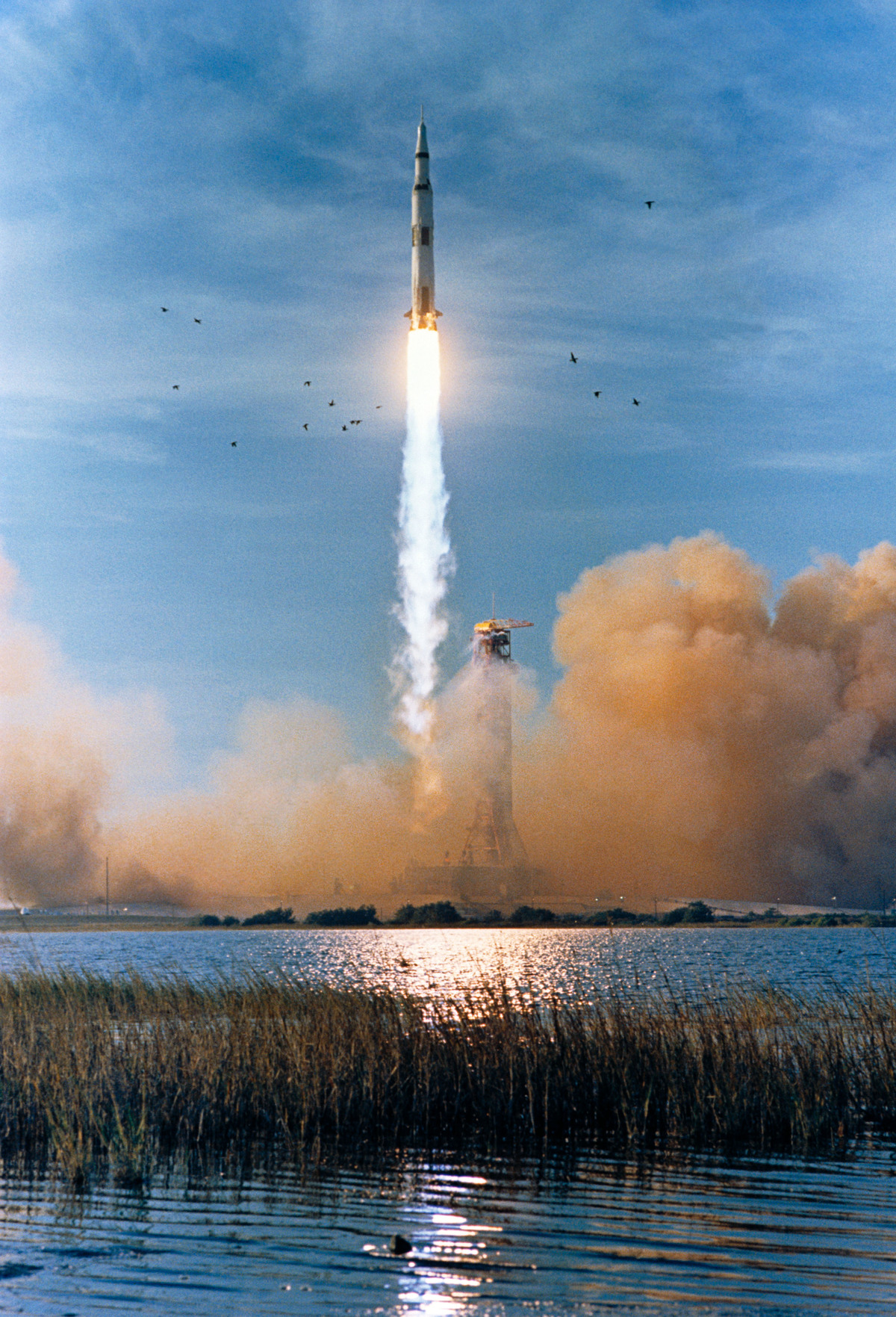
WASHINGTON -- NASA managers briefed industry representatives, members of academia and reporters Thursday about the agency's initial plans for the Ares V heavy-lift rocket and Altair lunar lander. The Ares V and Altair are part of a fleet of vehicles NASA is developing for a new space transportation system designed to travel beyond low Earth orbit and return humans to the moon by 2020.
Interested participants from throughout the aerospace community attended the forum to discuss the outcomes of a nine-month lunar transportation capabilities study, conceptual designs for the rocket and lunar lander, and near-term business opportunities. NASA is planning to release a Request for Proposals for Altair and Ares V in early 2009, and make awards in spring 2009.
Participants from NASA's Exploration Systems Mission Directorate included Doug Cooke, deputy associate administrator for the directorate, Jeff Hanley, manager of NASA's Constellation Program, and Geoff Yoder, director of the Constellation Systems Division.
Briefing charts from the event are available online at:
NASA Television will rebroadcast the forum on its public channel Thursday at 4 and 9 p.m. EDT. For NASA TV downlink, schedule and streaming video information, visit:
NASA's Constellation fleet also includes the Orion crew exploration vehicle and the Ares I launch vehicle. NASA plans to establish a human outpost on the moon through a successive series of lunar missions. For more information about NASA's Constellation Program, visit:
Copyright 1996 - 2026 by David Cottle. Designed by David Bate Jr. All Rights Reserved.
By using this forum, the user agrees not to transfer any data or technical information received under this agreement to any other entity without the express approval of the AUS-CITY Forum Admins and/or authors of individual posts (Forum Admins and DoD/USSPACECOM for the analysis of satellite tracking data).