|
|
|
0 members (),
1,731
guests, and
26
robots. |
|
Key:
Admin,
Global Mod,
Mod
|
|
S |
M |
T |
W |
T |
F |
S |
|
|
|
|
|
1
|
2
|
3
|
|
4
|
5
|
6
|
7
|
8
|
9
|
10
|
|
11
|
12
|
13
|
14
|
15
|
16
|
17
|
|
18
|
19
|
20
|
21
|
22
|
23
|
24
|
|
25
|
26
|
27
|
28
|
29
|
30
|
31
|
|
There are no members with birthdays on this day. |
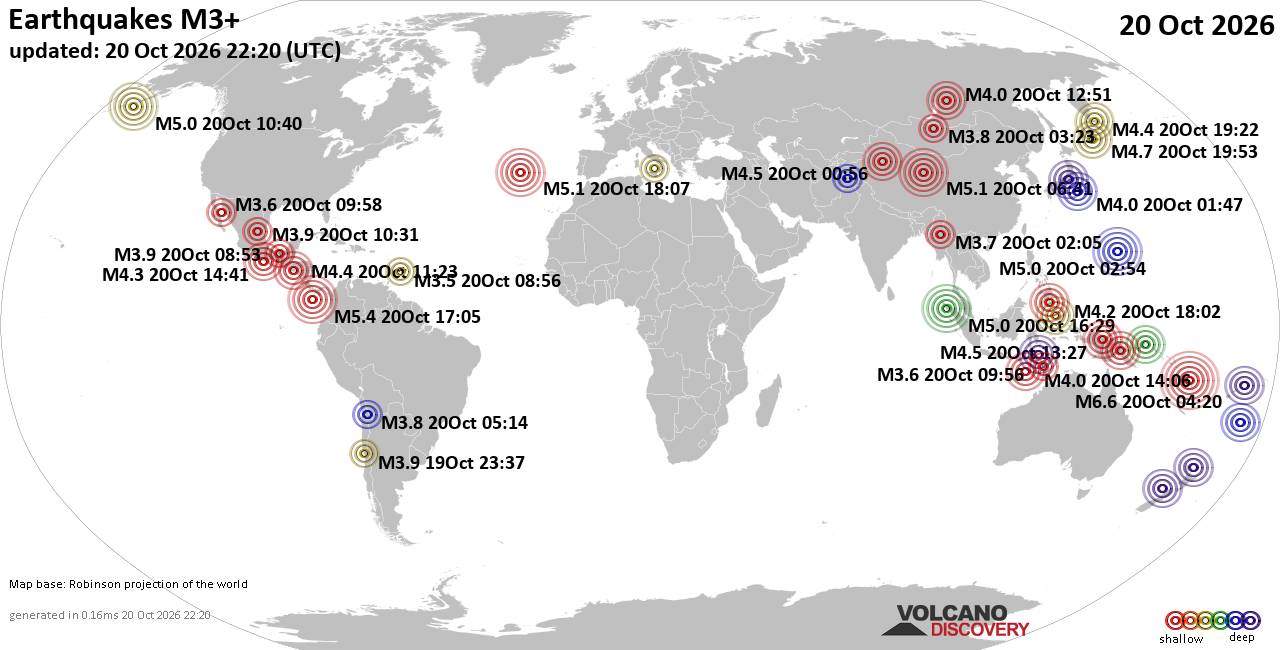
World Earthquake Report for Tuesday, 20 October 2026
• M 2.1 - 5 km SSW of Pāhala, Hawaii
• M 1.5 - 15 km NNE of Milford, Utah
• M 0.9 - 6 km WNW of Cobb, CA
• M 4.4 - 52 km S of Champerico, Guatemala
• M 1.9 - 8 km N of Redwood Valley, CA
|

#419061
Tue 04 Apr 2017 08:00:PM
|
Joined: Feb 2001
Posts: 678,977
Launch Director
|
|
Launch Director
Joined: Feb 2001
Posts: 678,977 |
It would be difficult to overestimate the importance of silicon when it comes to computing, solar energy, and other technological applications. Yet there is still so much to learn about how to harness the capabilities of element number 14. The most-common form of silicon crystallizes in the same structure as diamond. New work shows that one form of silicon, Si-III, which is synthesized using a high-pressure process, is what's called a narrow band gap semiconductor. Source: To e-, or not to e-, the question for the exotic 'Si-III' phase of silicon
David Cottle
UBB Owner & Administrator
|
|



CMS The Best Conveyancing solicitors conveyancing quotes throughout the UK
For any webhosting enquiries please email webmaster@aus-city.com
|
|
Entire Thread
|
 To e-, or not to e-, the question for the exotic 'Si-III' phase of silicon |
Webmaster
|
Tue 04 Apr 2017 08:00:PM
|
|
Forums60
Topics885,562
Posts920,359
Members2,960
| |
Most Online102,106
Jul 10th, 2026
|
|
|
|
|

|