|
|
|
0 members (),
1,567
guests, and
21
robots. |
|
Key:
Admin,
Global Mod,
Mod
|
|
S |
M |
T |
W |
T |
F |
S |
|
1
|
2
|
3
|
4
|
5
|
6
|
7
|
|
8
|
9
|
10
|
11
|
12
|
13
|
14
|
|
15
|
16
|
17
|
18
|
19
|
20
|
21
|
|
22
|
23
|
24
|
25
|
26
|
27
|
28
|
|
29
|
30
|
|
|
|
|
|
|
There are no members with birthdays on this day. |
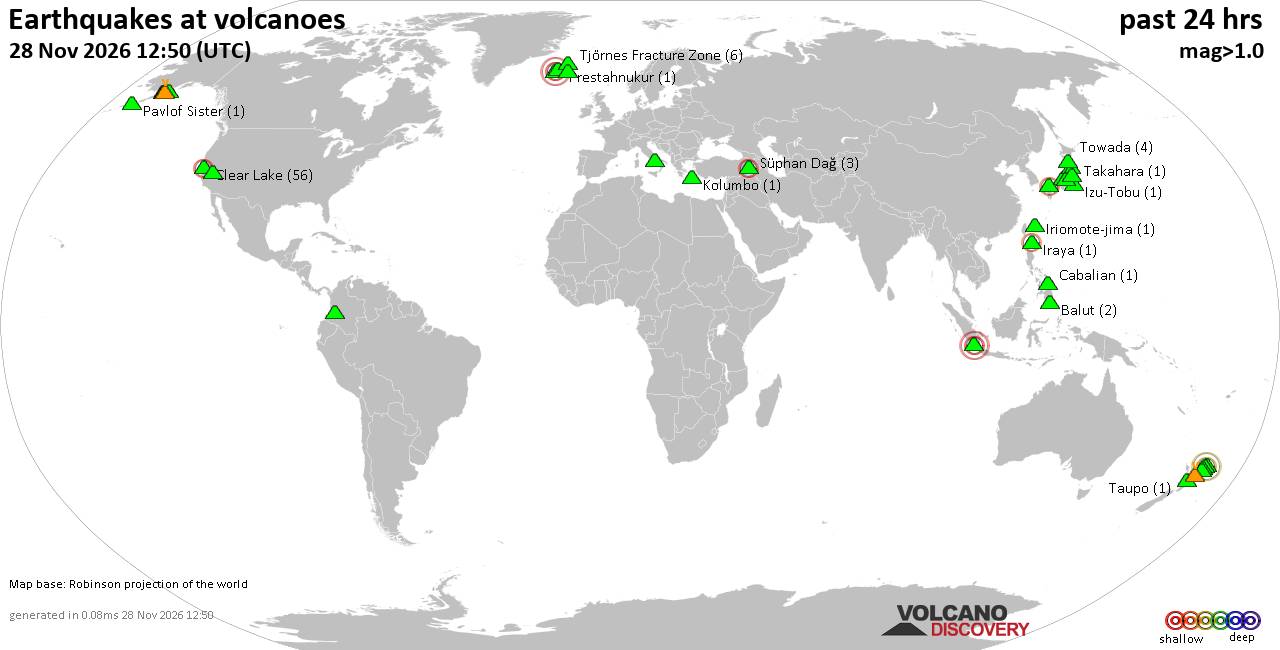
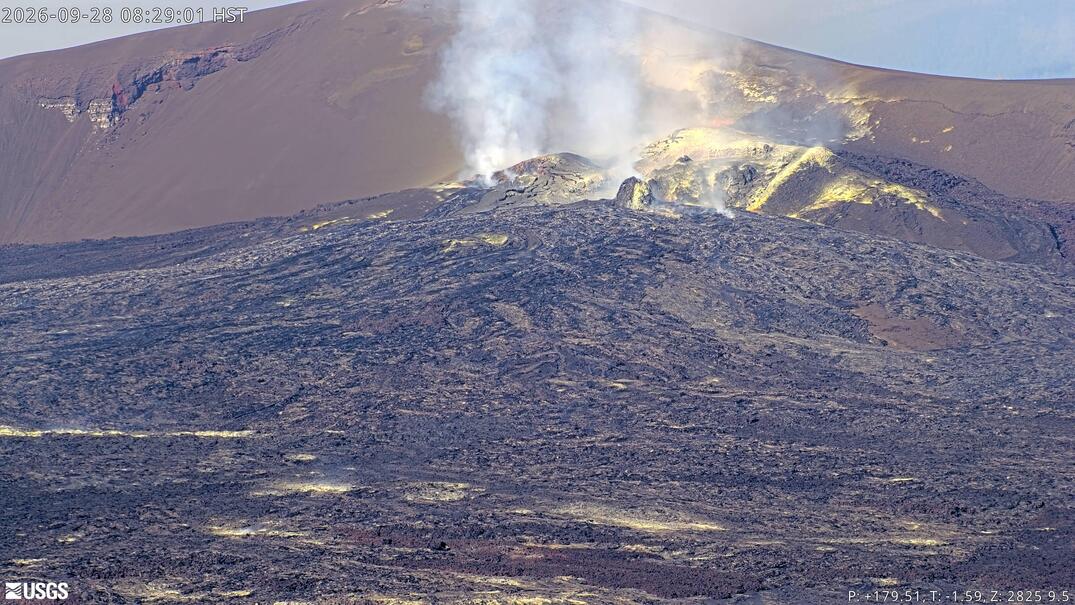
Volcano earthquake report for Saturday, 28 November 2026
• M 3.5 - 6 km WSW of Manhattan Beach, CA
• M 2.1 - 7 km WSW of Hermosa Beach, CA
• M 4.3 - 71 km S of Vilyuchinsk, Russia
• M 1.9 - 9 km WSW of Manhattan Beach, CA
• M 2.1 - 10 km WSW of Manhattan Beach, CA
|

#63829
Thu 14 Jul 2011 05:20:PM
|
Joined: Feb 2001
Posts: 800,656
Launch Director
|
|
Launch Director
Joined: Feb 2001
Posts: 800,656 |
Plants have neither supportive bone tissue nor muscles, and yet they can form rigid structures like stalks and even tree trunks. This is due to the fact that plant cells are enveloped by a stable cell wall. The main component of the plant cell wall is cellulose, which represents almost 50 percent of the total cell wall material and, at one billion tons per year, is the most frequently produced macromolecule in nature. Very little is known about the way in which cellulose is produced, and the knowledge that is available has mainly been obtained from the model plant thale cress which, although easy to study, is of no economic significance. Researchers have now succeeded in showing that knowledge obtained in thale cress can be applied to other plant species.  Source: Enzymes for cell wall synthesis conserved across species barriers
David Cottle
UBB Owner & Administrator
|
|



CMS The Best Conveyancing solicitors conveyancing quotes throughout the UK
For any webhosting enquiries please email webmaster@aus-city.com
|
|
Entire Thread
|
 Enzymes for cell wall synthesis conserved across species barriers |
Webmaster
|
Thu 14 Jul 2011 05:20:PM
|
|
Forums60
Topics950,626
Posts985,424
Members2,960
| |
Most Online102,106
Jul 10th, 2026
|
|
|
|
|

|