|
|
|
1 members (Alisa),
1,680
guests, and
23
robots. |
|
Key:
Admin,
Global Mod,
Mod
|
|
S |
M |
T |
W |
T |
F |
S |
|
|
|
|
|
1
|
2
|
3
|
|
4
|
5
|
6
|
7
|
8
|
9
|
10
|
|
11
|
12
|
13
|
14
|
15
|
16
|
17
|
|
18
|
19
|
20
|
21
|
22
|
23
|
24
|
|
25
|
26
|
27
|
28
|
29
|
30
|
31
|
|
There are no members with birthdays on this day. |
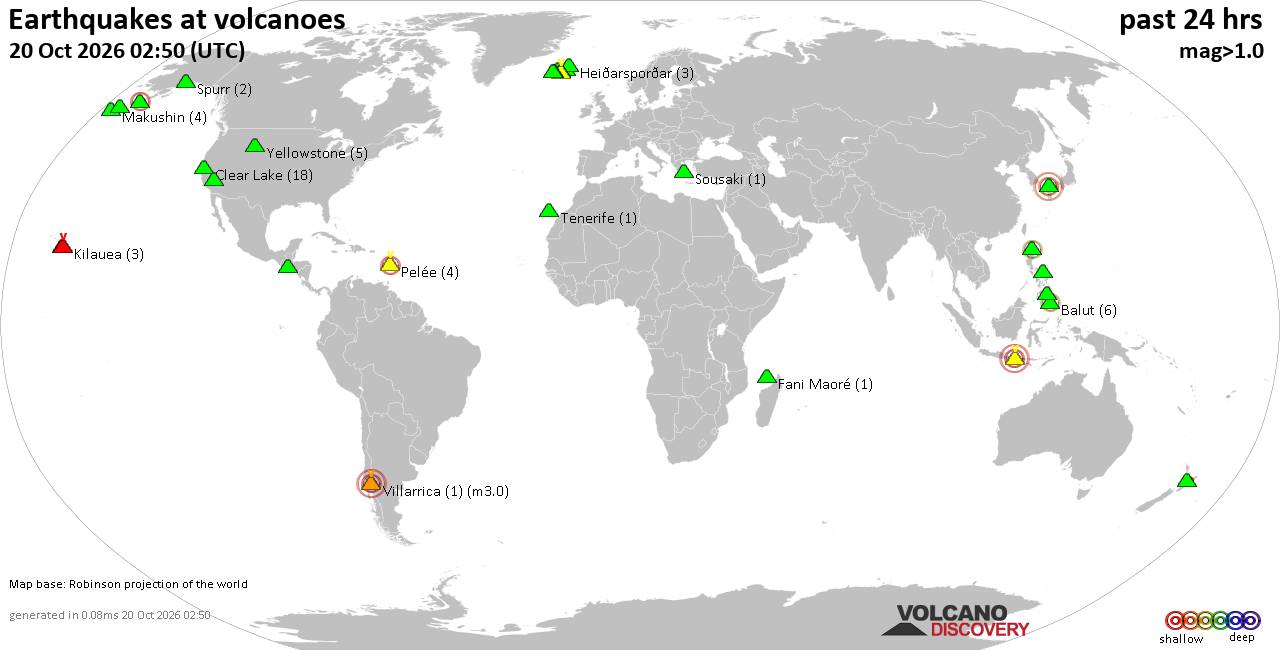
Volcano earthquake report for Tuesday, 20 October 2026
• M 7.7 - 12 km WSW of Pitaloza Arriba, Panama
• M 1.1 - 7 km SSW of Olancha, CA
• M 5.6 - 43 km NNW of Lake Minchumina, Alaska
• M 0.2 - 11 km WNW of Cobb, CA
• M 2.2 - 15 km NNE of Milford, Utah
|

#760371
Thu 03 Apr 2025 03:58:AM
|
Joined: Feb 2001
Posts: 678,977
Launch Director
|
|
Launch Director
Joined: Feb 2001
Posts: 678,977 |

How can Uranus be used to indirectly study its moons and identify if they possess subsurface oceans? This is what a recent study presented at the 56th Lunar and Planetary Science Conference hopes to address as a team of scientists investigated using passive radar sounding methods from Uranus to study its five largest moons: Miranda, Ariel, Umbriel, Titania, and Oberon. This study has the potential to help researchers better understand the formation and evolution of Uranus and its largest moons despite a spacecraft not currently visiting Uranus. Source: Studying Uranian Moons using Passive Radar Sounding
|
|



CMS The Best Conveyancing solicitors conveyancing quotes throughout the UK
For any webhosting enquiries please email webmaster@aus-city.com
|
|
Entire Thread
|
 Studying Uranian Moons using Passive Radar Sounding |
Webmaster
|
Thu 03 Apr 2025 03:58:AM
|
|
Forums60
Topics885,066
Posts919,863
Members2,960
| |
Most Online102,106
Jul 10th, 2026
|
|
|
|
|

|