|
|
|
0 members (),
1,443
guests, and
23
robots. |
|
Key:
Admin,
Global Mod,
Mod
|
|
S |
M |
T |
W |
T |
F |
S |
|
|
|
|
|
1
|
2
|
3
|
|
4
|
5
|
6
|
7
|
8
|
9
|
10
|
|
11
|
12
|
13
|
14
|
15
|
16
|
17
|
|
18
|
19
|
20
|
21
|
22
|
23
|
24
|
|
25
|
26
|
27
|
28
|
29
|
30
|
31
|
|
There are no members with birthdays on this day. |
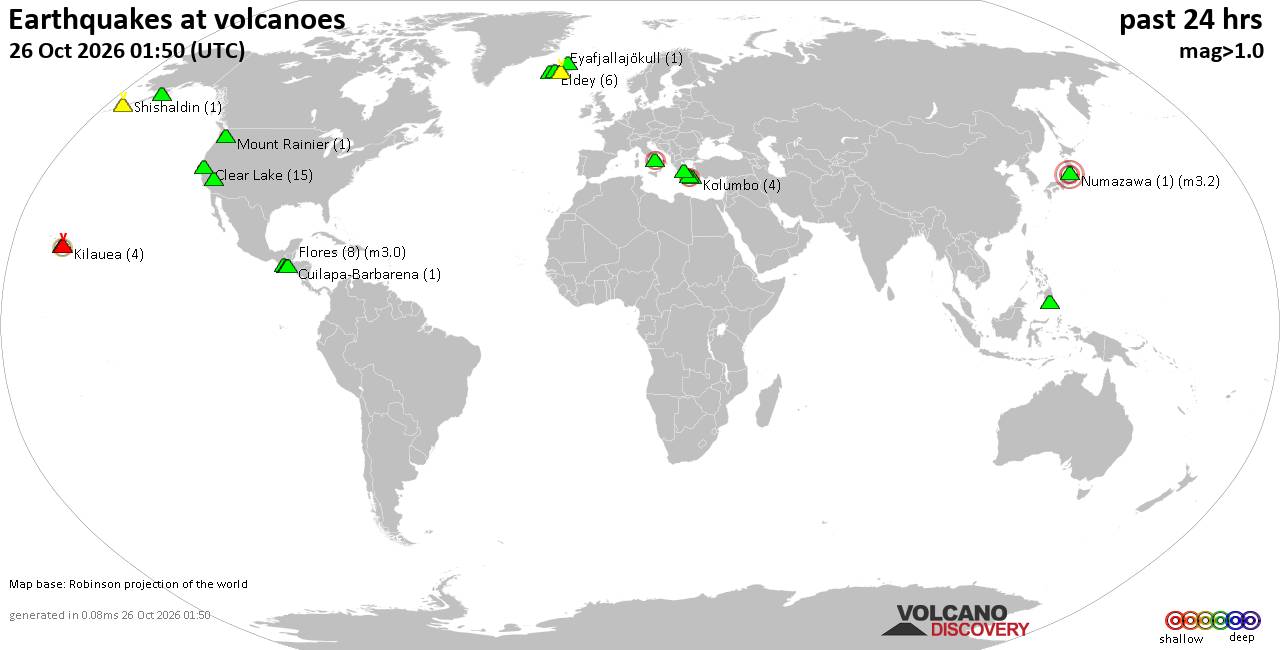
Volcano earthquake report for Monday, 26 October 2026
• M 4.6 - 193 km SE of Attu Station, Alaska
• M 1.3 - 62 km SW of Dugway, Utah
• M 0.7 - 1 km ENE of Calimesa, CA
• M 0.5 - 23 km ENE of Ashford, Washington
• M 1.7 - 14 km SSE of Fern Forest, Hawaii
• M 1.2 - 7 km ESE of Cloverdale, CA
|

#91572
Fri 20 Apr 2012 01:05:PM
|
Joined: Feb 2001
Posts: 678,977
Launch Director
|
|
Launch Director
Joined: Feb 2001
Posts: 678,977 |
The species concept “problem” has pervaded for many years and will not be resolved anytime soon, if ever. The problem, of course, being that no two scientists will agree on universal definitions of what the darn things are! Taxonomist are exceptional argumentative and someone will undoubtedly disagree with everything in this article! Species concepts were first defined based on morphological traits. Linneaus, being limited by technology at the time, used the “eyeball method” to study things – meaning he looked at them and described what he saw. This is formalized as the morphological or typological species concept (Cracraft, 2000; Mayr, 1996), and many biologists are just fine with this. It looks different, ergo it is and any distinguishing characters that could be observed, counted and measured were enough to define new species. [More]          Source: Species Concepts
David Cottle
UBB Owner & Administrator
|
|



CMS The Best Conveyancing solicitors conveyancing quotes throughout the UK
For any webhosting enquiries please email webmaster@aus-city.com
|
|
Entire Thread
|
 Species Concepts |
Webmaster
|
Fri 20 Apr 2012 01:05:PM
|
|
Forums60
Topics895,242
Posts930,039
Members2,960
| |
Most Online102,106
Jul 10th, 2026
|
|
|
|
|

|