|
0 members (),
1,567
guests, and
21
robots. |
|
Key:
Admin,
Global Mod,
Mod
|
|
S |
M |
T |
W |
T |
F |
S |
|
1
|
2
|
3
|
4
|
5
|
6
|
7
|
|
8
|
9
|
10
|
11
|
12
|
13
|
14
|
|
15
|
16
|
17
|
18
|
19
|
20
|
21
|
|
22
|
23
|
24
|
25
|
26
|
27
|
28
|
|
29
|
30
|
|
|
|
|
|
|
There are no members with birthdays on this day. |
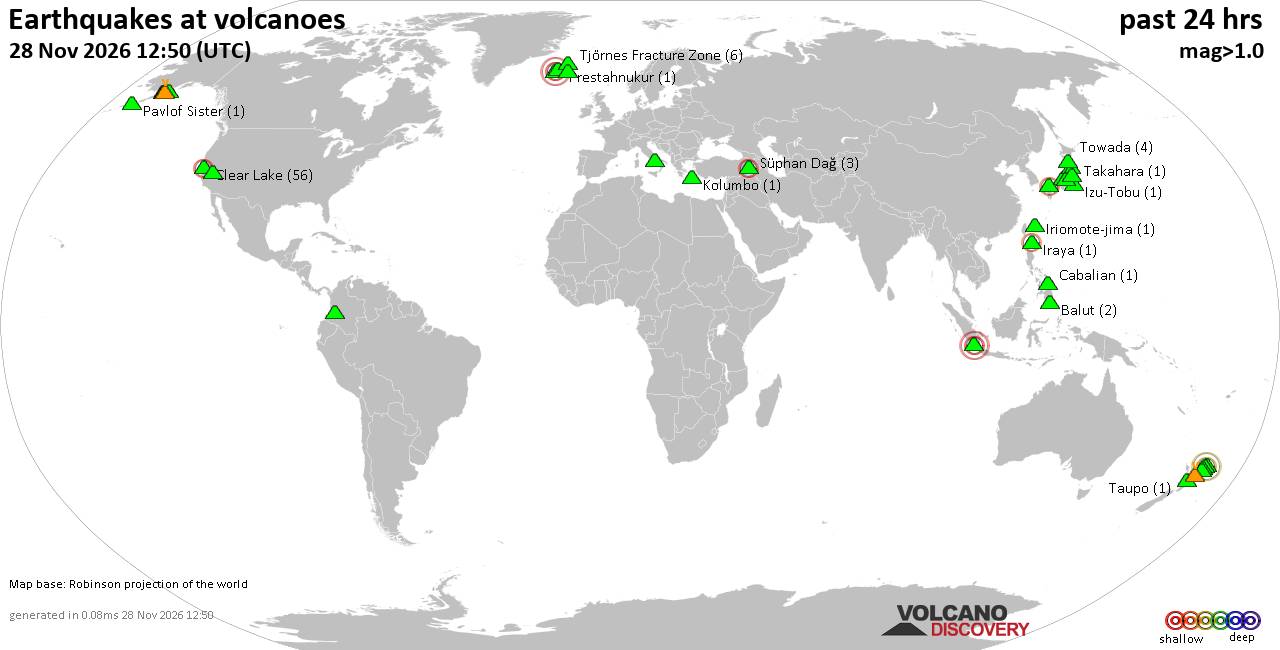
Volcano earthquake report for Saturday, 28 November 2026
• M 3.5 - 6 km WSW of Manhattan Beach, CA
• M 2.1 - 7 km WSW of Hermosa Beach, CA
• M 4.3 - 71 km S of Vilyuchinsk, Russia
• M 1.9 - 9 km WSW of Manhattan Beach, CA
• M 2.1 - 10 km WSW of Manhattan Beach, CA
|

#94587
Tue 08 May 2012 02:41:AM
|
Joined: Feb 2001
Posts: 800,656
Launch Director
|
|
Launch Director
Joined: Feb 2001
Posts: 800,656 |
Growing up, I was one of those lucky kids who wasn’t allergic to anything. I felt like I was invincible – while my friends were pestered by pollen or peanuts, I was able to eat and play with reckless abandon. Childhoods like mine, however, are becoming more and more scarce . A recent study found that in 2008, peanut allergies in kids were three and a half times higher than a decade before , with similar trends occurring in a number of food allergies. Similarly, the prevalence of hay fever in developed countries has increased about 100 percent in each of the last three decades. It’s not just allergies – other chronic inflammatory diseases, from arthritis to asthma, continue to rise in our populations. A new paper in the Proceedings of the National Academy of Sciences suggests that perhaps the problem isn’t what we’re putting into our environment, but what we’re removing from it: that the loss of biodiversity is negatively impacting our health. One of the most popular hypotheses to explain the rise in inflammatory conditions is known as the Hygiene Hypothesis , which says that our increasingly sterile lifestyle is to blame for our allergic reactions. We now live in a world of antibacterial soaps, instant hand sanitizer, vaccines, and antibiotics, all of which have taken over the job of protecting our children from dirt and germs. Left with nothing to do, kid’s immune systems get a little stir crazy, and start attacking even minor invaders like pollen with increased zeal. But Ilkka Hanski and her colleagues from the University of Helsinki in Finland suggest the Hygiene Hypothesis extends beyond how clean we keep our house. They put forward a Biodiversity Hypothesis, which suggests that less contact with the nature and biodiversity is adversely affecting the microbes on and in our bodies, leading to increased susceptibility to immune disorders. [More]          Source: Conservation is important - for the sake of our health
David Cottle
UBB Owner & Administrator
|
|



CMS The Best Conveyancing solicitors conveyancing quotes throughout the UK
For any webhosting enquiries please email webmaster@aus-city.com
|
|
Entire Thread
|
 Conservation is important - for the sake of our health |
Webmaster
|
Tue 08 May 2012 02:41:AM
|
|
Forums60
Topics950,626
Posts985,424
Members2,960
| |
Most Online102,106
Jul 10th, 2026
|
|
|