|
|
|
0 members (),
1,416
guests, and
21
robots. |
|
Key:
Admin,
Global Mod,
Mod
|
|
S |
M |
T |
W |
T |
F |
S |
|
|
|
|
|
1
|
2
|
3
|
|
4
|
5
|
6
|
7
|
8
|
9
|
10
|
|
11
|
12
|
13
|
14
|
15
|
16
|
17
|
|
18
|
19
|
20
|
21
|
22
|
23
|
24
|
|
25
|
26
|
27
|
28
|
29
|
30
|
31
|
|
There are no members with birthdays on this day. |
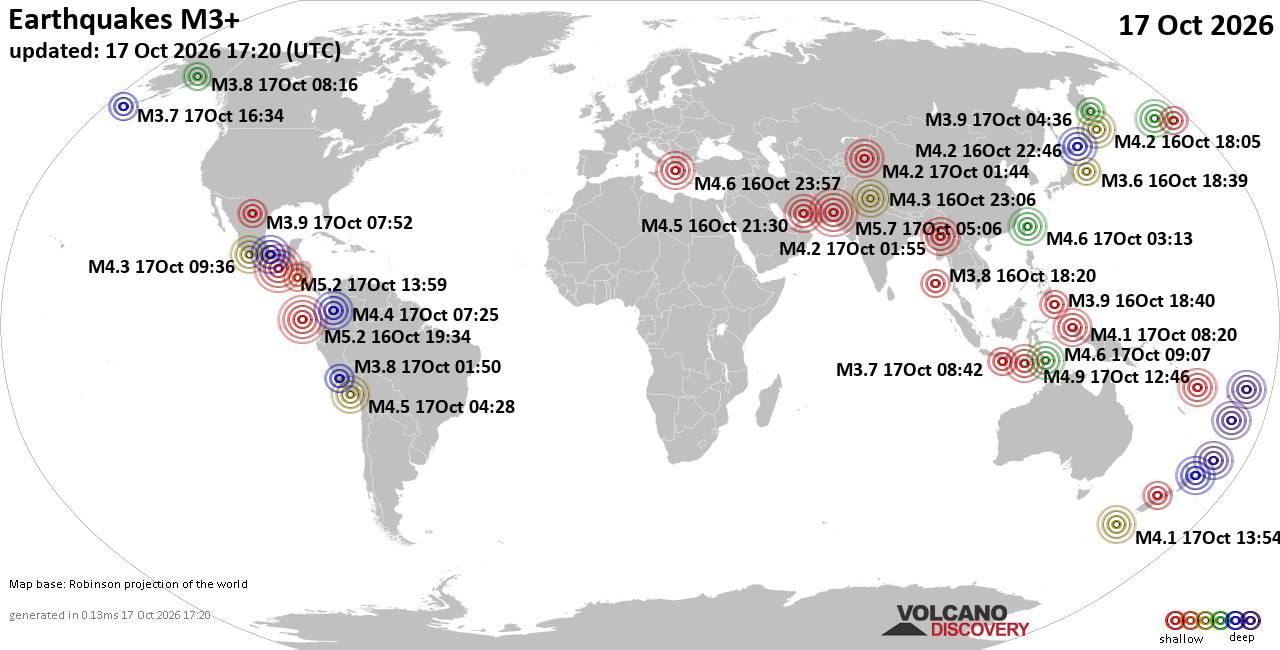
World Earthquake Report for Saturday, 17 October 2026
• M 2.7 - 7 km SSE of Ponce, Puerto Rico
• M 1.6 - 15 km S of Whitehall, Montana
• M 4.3 - 3 km NE of Flores, Panama
• M 4.3 - 3 km NE of Flores, Panama
• M 0.8 - 6 km NW of The Geysers, CA
|

#210538
Thu 20 Mar 2014 02:08:PM
|
Joined: Feb 2001
Posts: 678,977
Launch Director
|
|
Launch Director
Joined: Feb 2001
Posts: 678,977 |
Some 252 million years ago, the largest extinction event occurred at the end of the Permian age. It wiped out almost 90 percent of all life in water. So far researchers had assumed that the ecosystems gradually recovered from this catastrophe over a long stretch of eight to nine million years and that large predators at the uppermost end of the food chain were the last to reappear. Palaeontologists now show that the food nets during the Early Triassic did not recover in stages. Large predators like, for instance, crocodile-like amphibians and later the precursors of the known plesiosaurs and ichthyosaurs went in search of prey in the oceans soon after the end of the mass extinction.  Source: Amphibians and dinosaurs were the new large predators after the mass extinction
David Cottle
UBB Owner & Administrator
|
|



CMS The Best Conveyancing solicitors conveyancing quotes throughout the UK
For any webhosting enquiries please email webmaster@aus-city.com
|
|
Forums60
Topics880,326
Posts915,123
Members2,960
| |
Most Online102,106
Jul 10th, 2026
|
|
|
|
|

|