|
|
|
1 members (Alisa),
1,374
guests, and
23
robots. |
|
Key:
Admin,
Global Mod,
Mod
|
|
S |
M |
T |
W |
T |
F |
S |
|
|
|
|
|
1
|
2
|
3
|
|
4
|
5
|
6
|
7
|
8
|
9
|
10
|
|
11
|
12
|
13
|
14
|
15
|
16
|
17
|
|
18
|
19
|
20
|
21
|
22
|
23
|
24
|
|
25
|
26
|
27
|
28
|
29
|
30
|
31
|
|
There are no members with birthdays on this day. |
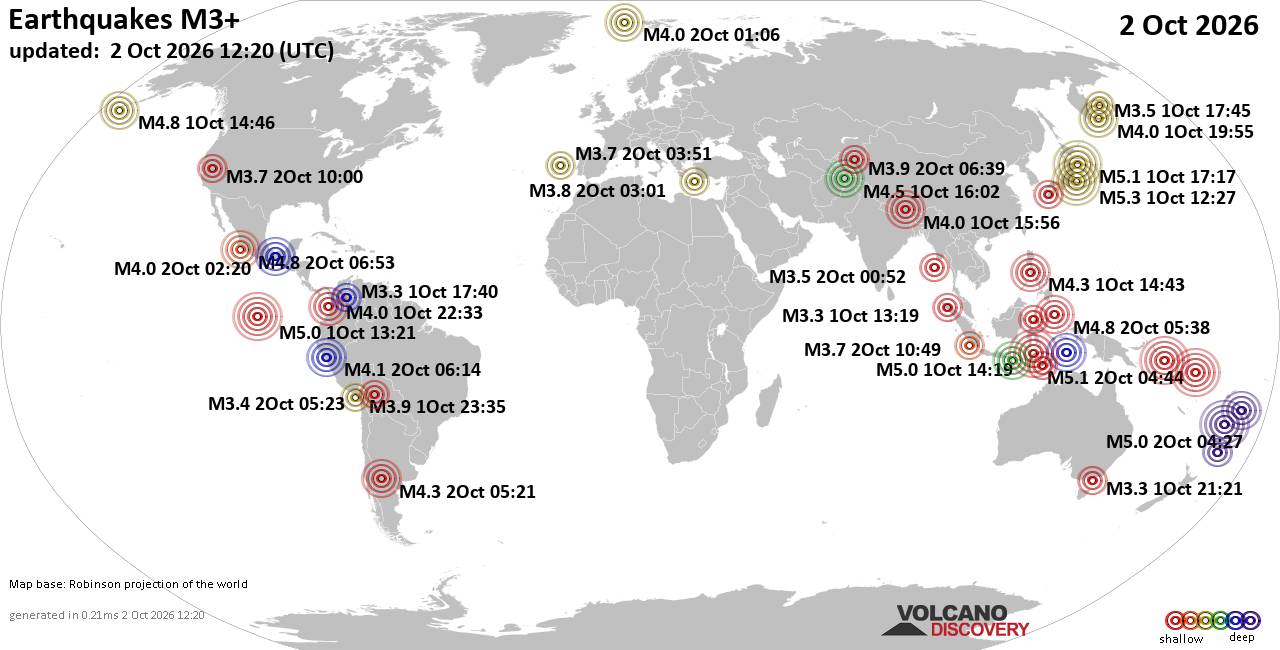
World Earthquake Report for Friday, 2 October 2026
• M 0.5 - 10 km SE of Winchester, CA
• M 1.8 - 65 km SE of Chalkyitsik, Alaska
• M 3.0 - 71 km NE of Punta Cana, Dominican Republic
• M 1.3 - 5 km NNE of Progreso, B.C., MX
• M 0.9 - 22 km ESE of Anza, CA
|

#378372
Tue 31 May 2016 02:45:PM
|
Joined: Feb 2001
Posts: 678,977
Launch Director
|
|
Launch Director
Joined: Feb 2001
Posts: 678,977 |
In 2012, Belgian scientists published a study that concluded that repeated bouts of intensive endurance exercise at the elite level may result in the pathological enlargement of the right ventricle, which, according to the article, is associated with potential health hazards including sudden cardiac death. The publication was the cause of considerable debate among experts in the medical and sports communities. Sports medicine physicians have now tested the conclusions of the 2012 study by examining the hearts of elite master endurance athletes. Their findings refute the hypothesis proposed by their Belgian colleagues. Source: Is endurance training bad for you?
David Cottle
UBB Owner & Administrator
|
|



CMS The Best Conveyancing solicitors conveyancing quotes throughout the UK
For any webhosting enquiries please email webmaster@aus-city.com
|
|
Forums60
Topics853,224
Posts888,019
Members2,960
| |
Most Online102,106
Jul 10th, 2026
|
|
|
|
|

|