|
|
|
0 members (),
3,867
guests, and
21
robots. |
|
Key:
Admin,
Global Mod,
Mod
|
|
S |
M |
T |
W |
T |
F |
S |
|
|
|
|
1
|
2
|
3
|
4
|
|
5
|
6
|
7
|
8
|
9
|
10
|
11
|
|
12
|
13
|
14
|
15
|
16
|
17
|
18
|
|
19
|
20
|
21
|
22
|
23
|
24
|
25
|
|
26
|
27
|
28
|
29
|
30
|
31
|
|
|
There are no members with birthdays on this day. |
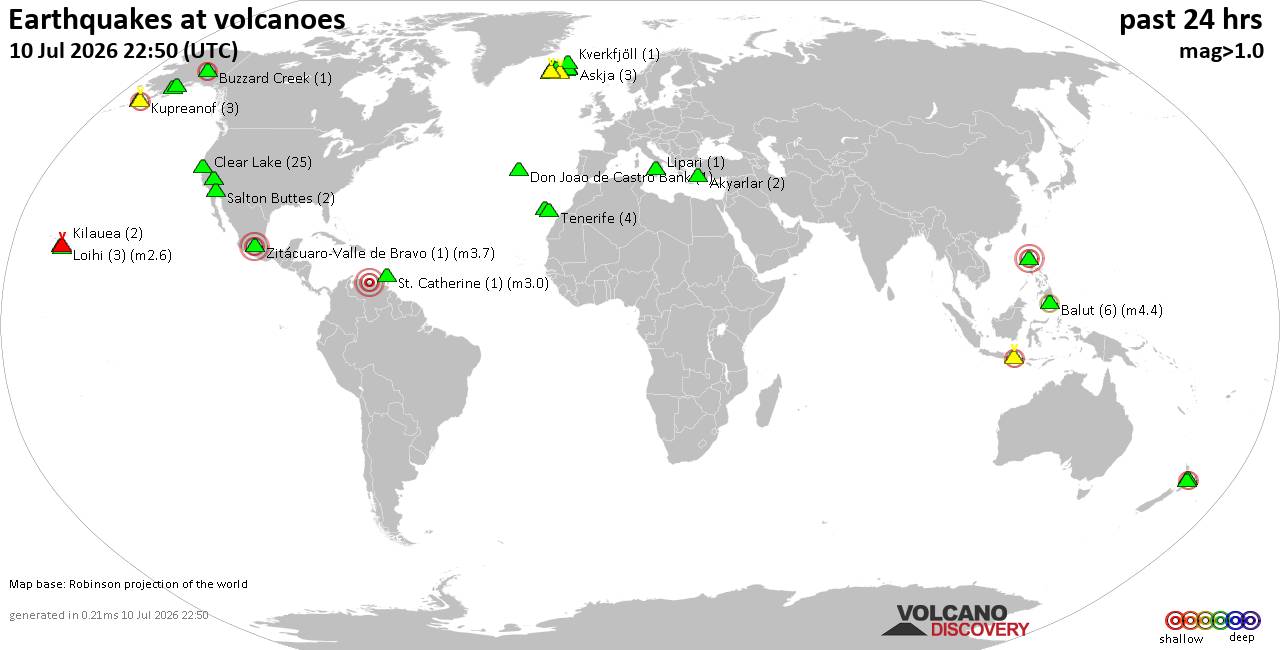
Volcano earthquake report for Friday, 10 Jul 2026
• Moderate mag. 4.2 earthquake - 133 km northwest of Ternate, Kota Ternate, N...
• World Earthquake Report for Friday, 10 July 2026
• Moderate mag. 4.6 earthquake - 17 km southwest of Comalapa, Estado de Chiap...
• Moderate mag. 4.1 earthquake - Olyutorskiy Rayon, 47 km northwest of Tilich...
• Moderate mag. 4.0 earthquake - Hawke's Bay, New Zealand, on Saturday, Jul 1...
|

#64331
Tue 19 Jul 2011 11:00:PM
|
Joined: Feb 2001
Posts: 678,976
Launch Director
|
OP

Launch Director
Joined: Feb 2001
Posts: 678,976 |
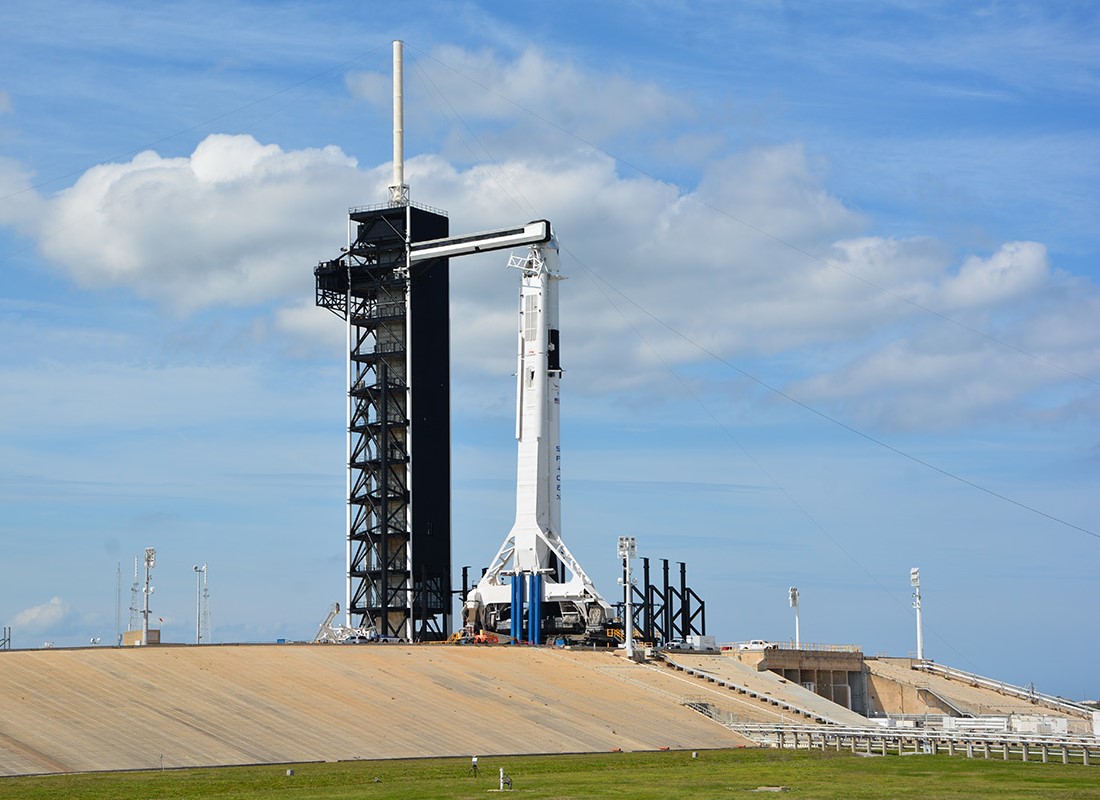
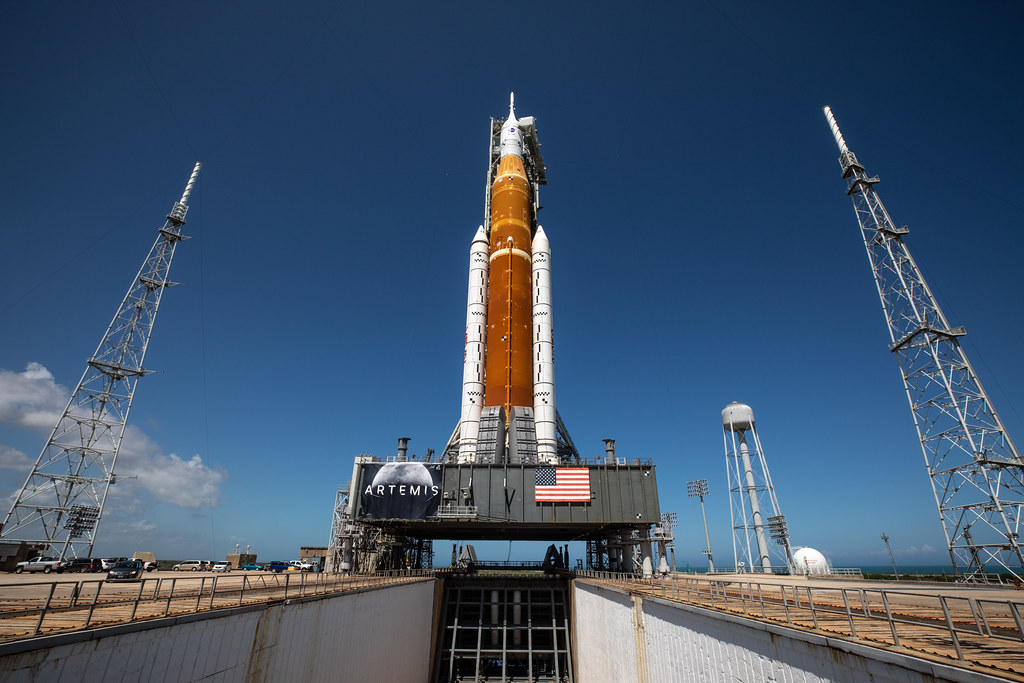
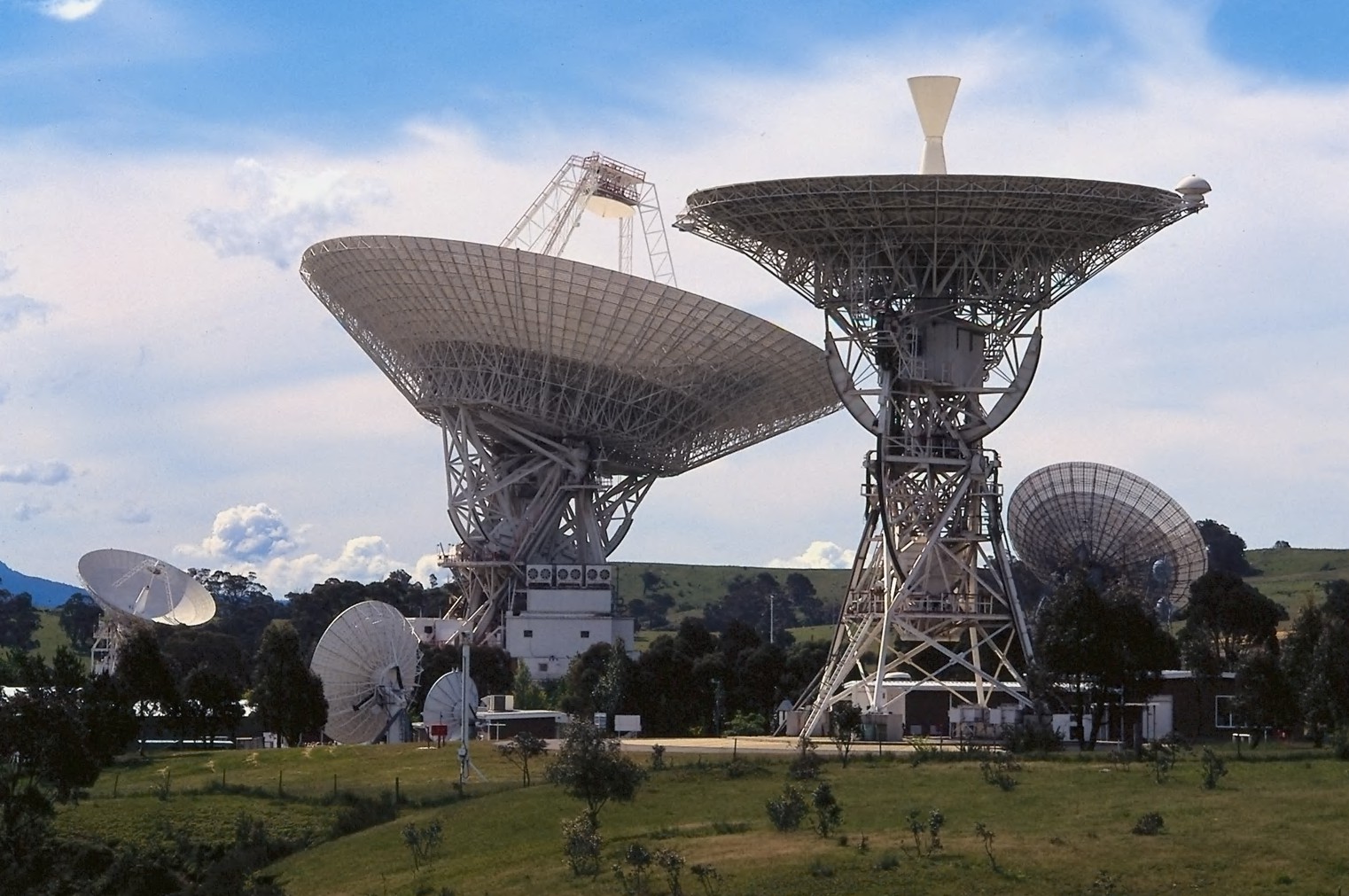
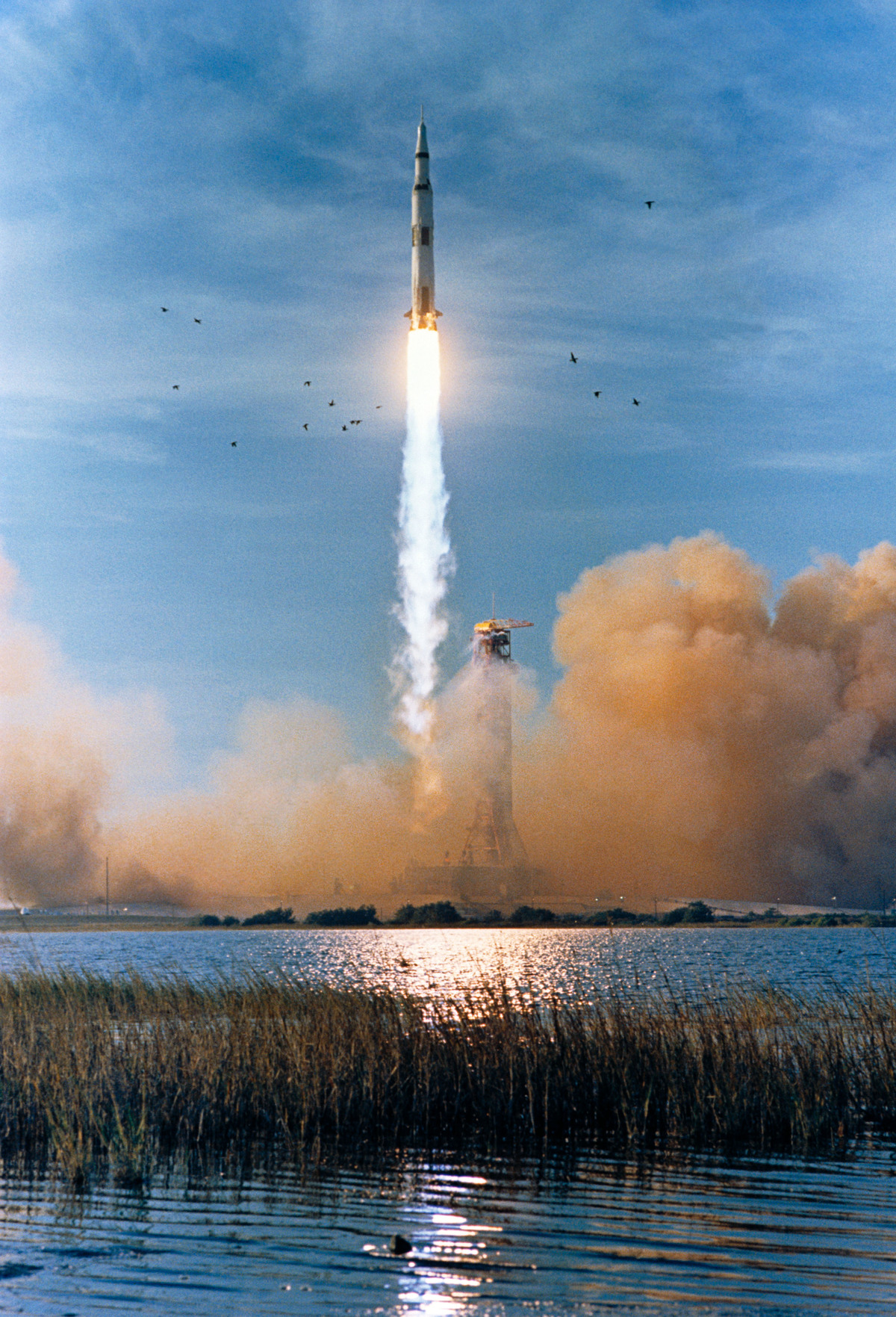
With all of the discussion about future U.S. efforts in human spaceflight precipitated by final flight of the space shuttle , too little attention has been given to how international cooperation might factor into that future. I guess that is appropriate, given the iconic nature of the shuttle as an exemplar of U.S. capability. But it is worth noting that the STS-135 mission was international in character. It was enabled by a Canada-built remote manipulator and an Italian-built logistics module; the mission provisioned a 15-nation International Space Station. Also, for the time being, the U.S. will have to depend for a few years on cooperation with another country, in this case Russia, for astronaut access to the ISS. International cooperation is an integral part of today’s spaceflight enterprise; it should come even more essential to future human exploration. By following the reasoning of the 2009 Augustine Committee , the Obama administration has imposed unneeded constraints on future space planning. The committee concluded that future NASA budgets could only support the development of a new heavy lift launcher and a new spacecraft for deep space expeditions, not also a vehicle to land on another planetary surface, especially the moon. This led the committee to propose a "flexible path" for exploration that bypassed the moon on its way to other distant destinations. The Obama administration embraced this perspective, and President Obama on April 15, 2010, announced that reaching a near-earth asteroid by 2025 should be the initial goal of the next round of human exploration, and that a return to the moon would not be a high priority U.S. objective. [More]           Source: As Atlantis Glides to Its Final Landing, What Comes Next?
David Cottle
UBB Owner & Administrator
|
|



CMS The Best Conveyancing solicitors conveyancing quotes throughout the UK
For any webhosting enquiries please email webmaster@aus-city.com
|
|
Forums60
Topics789,850
Posts824,628
Members2,960
| |
Most Online102,106
Jul 10th, 2026
|
|
|
|
|
Copyright 1996 - 2026 by David Cottle. Designed by David Bate Jr. All Rights Reserved.
By using this forum, the user agrees not to transfer any data or technical information received under this agreement to any other entity without the express approval of the AUS-CITY Forum Admins and/or authors of individual posts (Forum Admins and DoD/USSPACECOM for the analysis of satellite tracking data).
Two-line elements (TLE) and all other satellite data presented and distributed via this forum and AUS-CITY mailing lists are distributed with permission from DoD/USSTRATCOM.

|

|