|
|
|
0 members (),
1,876
guests, and
26
robots. |
|
Key:
Admin,
Global Mod,
Mod
|
|
S |
M |
T |
W |
T |
F |
S |
|
|
|
|
|
1
|
2
|
3
|
|
4
|
5
|
6
|
7
|
8
|
9
|
10
|
|
11
|
12
|
13
|
14
|
15
|
16
|
17
|
|
18
|
19
|
20
|
21
|
22
|
23
|
24
|
|
25
|
26
|
27
|
28
|
29
|
30
|
31
|
|
There are no members with birthdays on this day. |
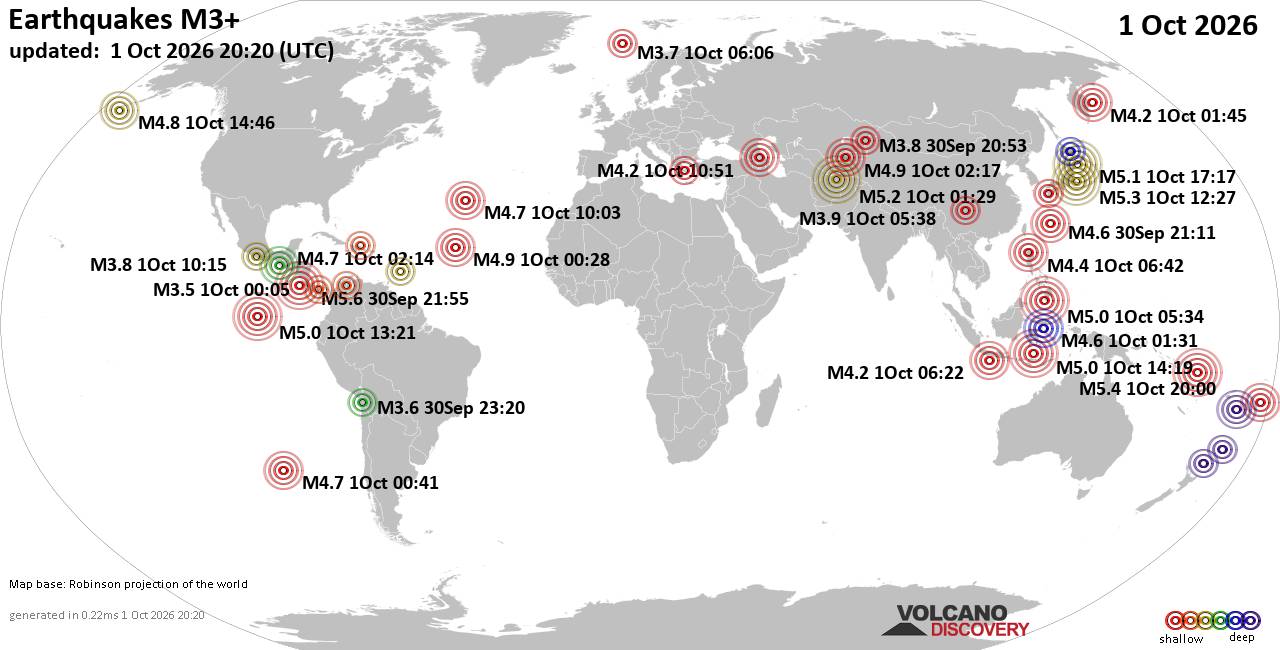
World Earthquake Report for Thursday, 1 October 2026
• M 1.8 - 75 km SE of Pope-Vannoy Landing, Alaska
• M 1.7 - 25 km ESE of Ocotillo Wells, CA
• M 5.1 - 171 km SE of Lata, Solomon Islands
• M 5.1 - 171 km SE of Lata, Solomon Islands
• M 0.9 - 27 km S of Trona, CA
|

#71546
Mon 24 Oct 2011 07:34:PM
|
Joined: Feb 2001
Posts: 678,977
Launch Director
|
|
Launch Director
Joined: Feb 2001
Posts: 678,977 |
Infectious films of Staph bacteria around an implanted cardiac device, such as a pacemaker, often force a second surgery to replace the device at a cost of up to $100,000. But not all implanted cardiac devices become infected. Now researchers have discovered how and why certain strains of staphylococcus aureus (SA) bacteria, the leading cause of these device infections, have infected thousands of implanted cardiac devices. About 4 percent of the one million annually implanted devices become infected.  Source: Genetic difference in staph infects some heart devices, not others
David Cottle
UBB Owner & Administrator
|
|



CMS The Best Conveyancing solicitors conveyancing quotes throughout the UK
For any webhosting enquiries please email webmaster@aus-city.com
|
|
Forums60
Topics852,016
Posts886,811
Members2,960
| |
Most Online102,106
Jul 10th, 2026
|
|
|
|
|

|