|
|
|
1 members (Alisa),
1,235
guests, and
21
robots. |
|
Key:
Admin,
Global Mod,
Mod
|
|
S |
M |
T |
W |
T |
F |
S |
|
|
|
|
|
1
|
2
|
3
|
|
4
|
5
|
6
|
7
|
8
|
9
|
10
|
|
11
|
12
|
13
|
14
|
15
|
16
|
17
|
|
18
|
19
|
20
|
21
|
22
|
23
|
24
|
|
25
|
26
|
27
|
28
|
29
|
30
|
31
|
|
There are no members with birthdays on this day. |
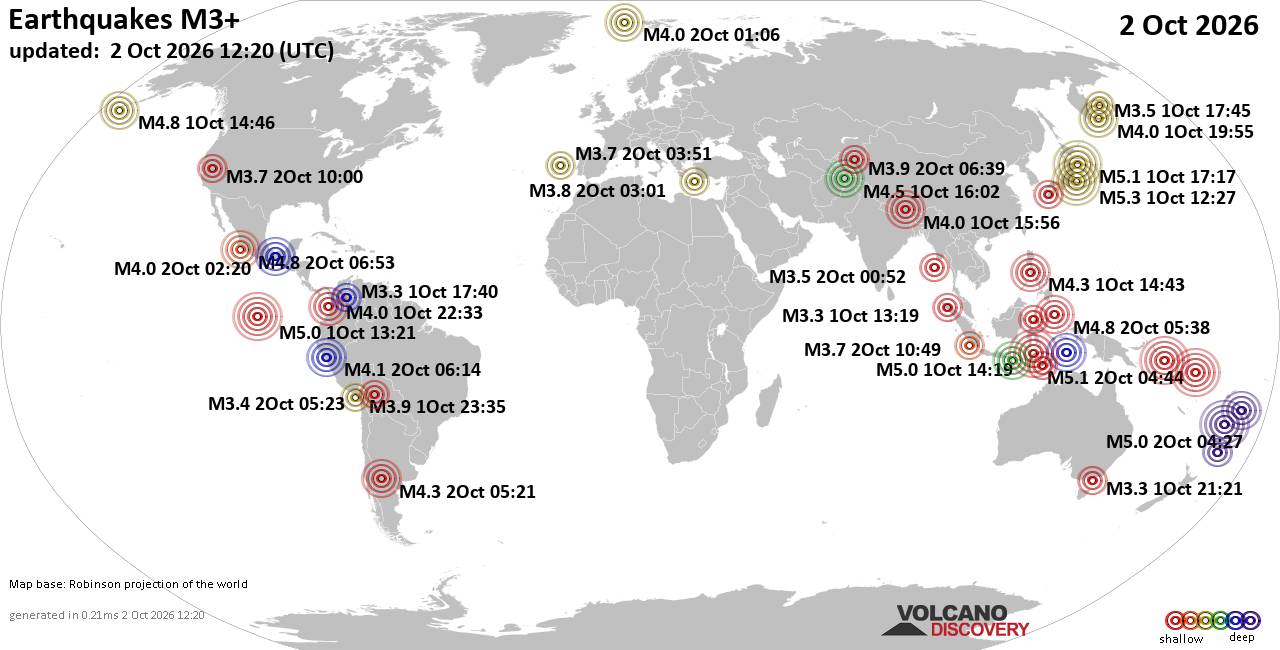
World Earthquake Report for Friday, 2 October 2026
• M 0.5 - 10 km SE of Winchester, CA
• M 1.8 - 65 km SE of Chalkyitsik, Alaska
• M 3.0 - 71 km NE of Punta Cana, Dominican Republic
• M 1.3 - 5 km NNE of Progreso, B.C., MX
• M 0.9 - 22 km ESE of Anza, CA
|

#273410
Tue 23 Dec 2014 07:16:PM
|
Joined: Feb 2001
Posts: 678,977
Launch Director
|
|
Launch Director
Joined: Feb 2001
Posts: 678,977 |
For decades, the bacteria group Candidate Phylum TM7, thought to cause inflammatory mucosal diseases, has posed a particular challenge for researchers. A landmark discovery has revealed insights into TM7's resistance to scientific study and to its role in the progression of periodontitis and other diseases. These findings shed new light on the biological, ecological and medical importance of TM7, and could lead to better understanding of other elusive bacteria.  Source: How 'microbial dark matter' might cause disease
David Cottle
UBB Owner & Administrator
|
|



CMS The Best Conveyancing solicitors conveyancing quotes throughout the UK
For any webhosting enquiries please email webmaster@aus-city.com
|
|
Entire Thread
|
 How 'microbial dark matter' might cause disease
|
Webmaster
|
Tue 23 Dec 2014 07:16:PM
|
|
Forums60
Topics853,218
Posts888,013
Members2,960
| |
Most Online102,106
Jul 10th, 2026
|
|
|
|
|

|