|
|
|
0 members (),
1,756
guests, and
30
robots. |
|
Key:
Admin,
Global Mod,
Mod
|
|
S |
M |
T |
W |
T |
F |
S |
|
1
|
2
|
3
|
4
|
5
|
6
|
7
|
|
8
|
9
|
10
|
11
|
12
|
13
|
14
|
|
15
|
16
|
17
|
18
|
19
|
20
|
21
|
|
22
|
23
|
24
|
25
|
26
|
27
|
28
|
|
29
|
30
|
|
|
|
|
|
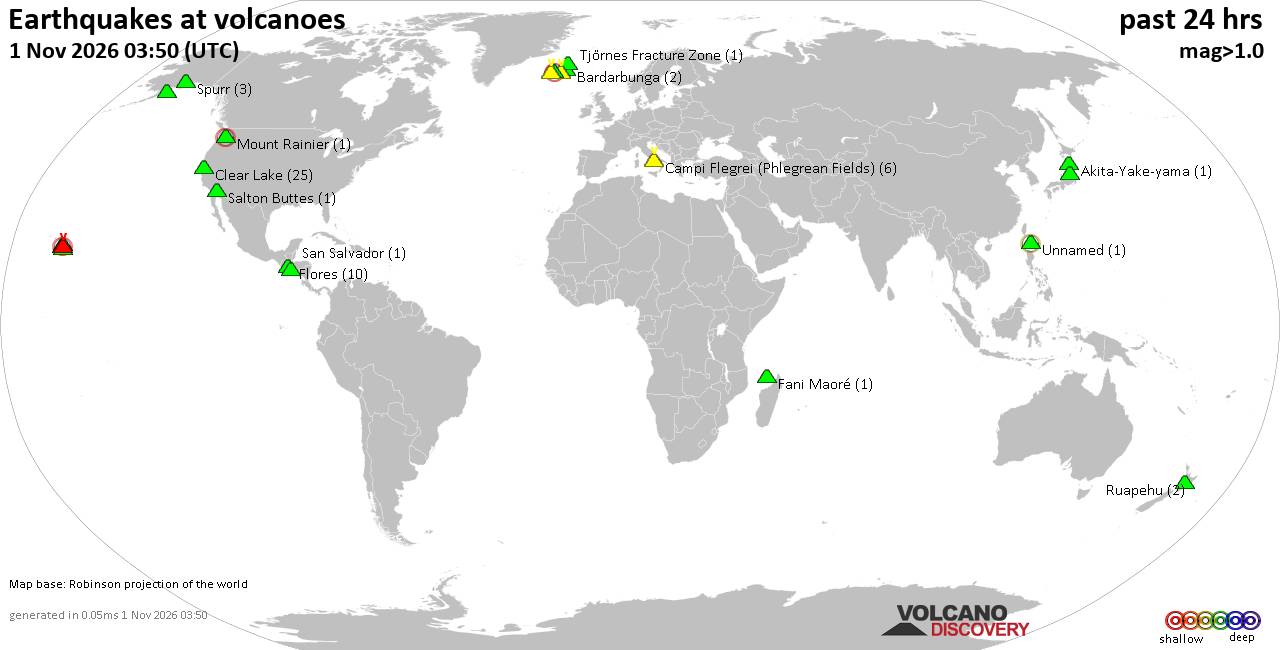
Volcano earthquake report for Sunday, 1 November 2026
• M 4.4 - 95 km WNW of Isangel, Vanuatu
• M 3.7 - 17 km SSW of Weston, Colorado
• M 0.9 - 32 km NNE of Kernville, CA
• M 4.4 - 4 km SSE of La Mesa, Panama
• M 4.2 - 0 km N of Aquiles Serdán 1ra. Sección, Mexico
|

#438979
Thu 05 Oct 2017 06:17:PM
|
Joined: Feb 2001
Posts: 678,977
Launch Director
|
|
Launch Director
Joined: Feb 2001
Posts: 678,977 |
Early humans seem to have recognized the dangers of inbreeding at least 34,000 years ago, and developed surprisingly sophisticated social and mating networks to avoid it, new research has found. Source: Prehistoric humans are likely to have formed mating networks to avoid inbreeding
David Cottle
UBB Owner & Administrator
|
|



CMS The Best Conveyancing solicitors conveyancing quotes throughout the UK
For any webhosting enquiries please email webmaster@aus-city.com
|
|
Entire Thread
|
 Prehistoric humans are likely to have formed mating networks to avoid inbreeding |
Webmaster
|
Thu 05 Oct 2017 06:17:PM
|
|
Forums60
Topics905,636
Posts940,433
Members2,960
| |
Most Online102,106
Jul 10th, 2026
|
|
|
|
|

|