|
|
|
0 members (),
1,573
guests, and
22
robots. |
|
Key:
Admin,
Global Mod,
Mod
|
|
S |
M |
T |
W |
T |
F |
S |
|
|
|
|
|
1
|
2
|
3
|
|
4
|
5
|
6
|
7
|
8
|
9
|
10
|
|
11
|
12
|
13
|
14
|
15
|
16
|
17
|
|
18
|
19
|
20
|
21
|
22
|
23
|
24
|
|
25
|
26
|
27
|
28
|
29
|
30
|
31
|
|
There are no members with birthdays on this day. |
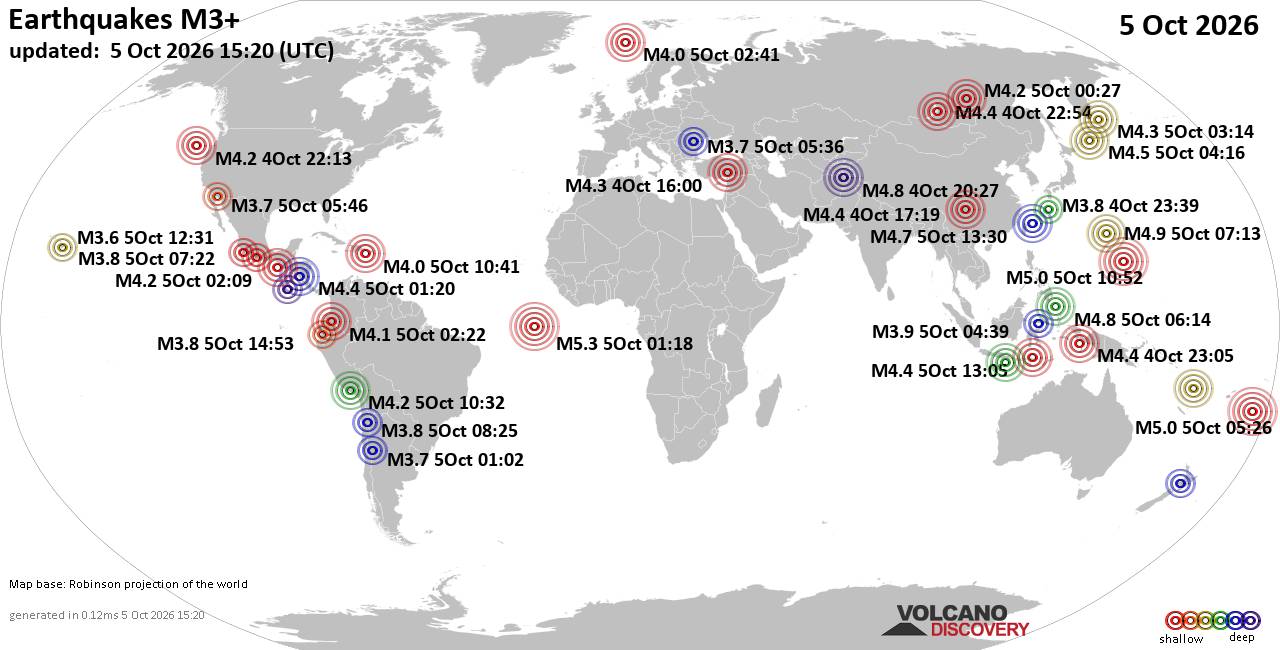
World Earthquake Report for Monday, 5 October 2026
• M -0.1 - 57 km W of Tyonek, Alaska
• M 4.4 - 62 km ENE of Shikotan, Russia
• M 0.7 - 21 km SSE of Midland, Texas
• M 1.0 - 6 km NW of The Geysers, CA
• M -0.3 - 85 km NNW of Karluk, Alaska
• M 1.7 - 15 km WSW of Panguitch, Utah
|

#445162
Fri 08 Dec 2017 04:35:PM
|
Joined: Feb 2001
Posts: 678,977
Launch Director
|
|
Launch Director
Joined: Feb 2001
Posts: 678,977 |
Areas of hypoxia, or low oxygen in tissue, are hallmarks of fast-growing cancers and of blockages or narrowing in blood vessels, such as stroke or peripheral artery disease. Researchers have developed a way to find hypoxic spots noninvasively in real time. The researchers developed an oxygen-sensitive molecular beacon that emits ultrasound signals in response to light, a process called photoacoustic imaging. Source: Molecular beacon signals low oxygen with ultrasound
David Cottle
UBB Owner & Administrator
|
|



CMS The Best Conveyancing solicitors conveyancing quotes throughout the UK
For any webhosting enquiries please email webmaster@aus-city.com
|
|
Entire Thread
|
 Molecular beacon signals low oxygen with ultrasound
|
Webmaster
|
Fri 08 Dec 2017 04:35:PM
|
|
Forums60
Topics858,104
Posts892,899
Members2,960
| |
Most Online102,106
Jul 10th, 2026
|
|
|
|
|

|