|
|
|
0 members (),
1,332
guests, and
23
robots. |
|
Key:
Admin,
Global Mod,
Mod
|
|
S |
M |
T |
W |
T |
F |
S |
|
|
|
|
|
1
|
2
|
3
|
|
4
|
5
|
6
|
7
|
8
|
9
|
10
|
|
11
|
12
|
13
|
14
|
15
|
16
|
17
|
|
18
|
19
|
20
|
21
|
22
|
23
|
24
|
|
25
|
26
|
27
|
28
|
29
|
30
|
31
|
|
There are no members with birthdays on this day. |
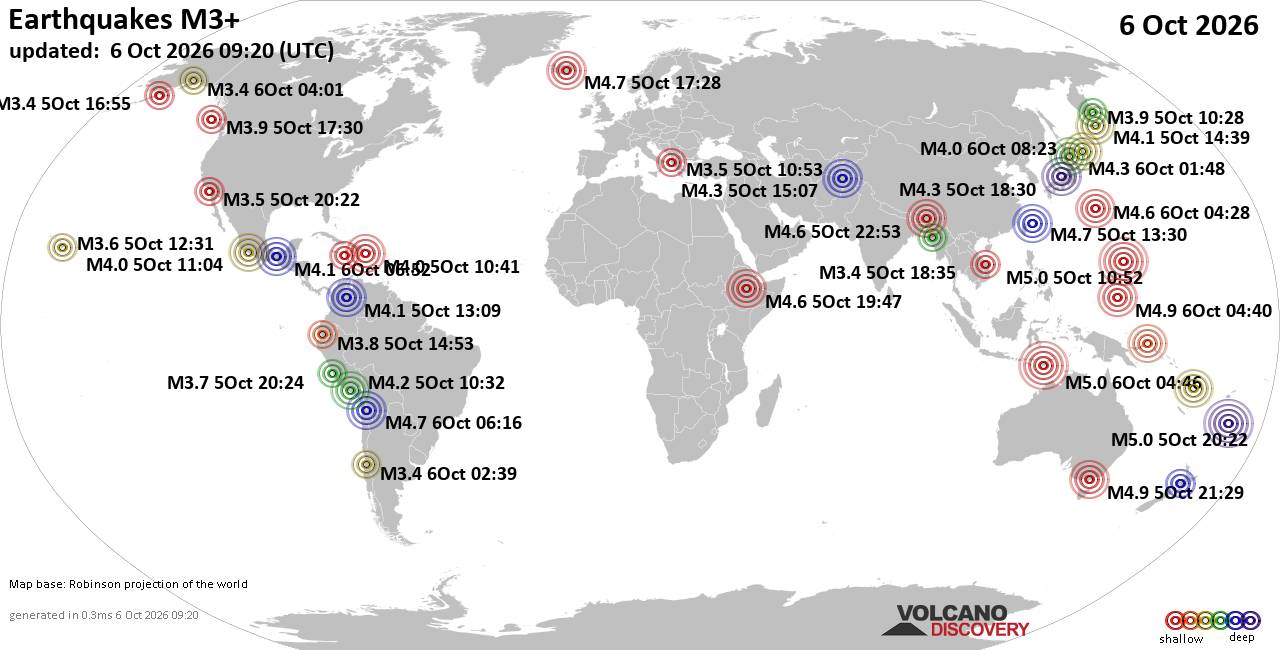
World Earthquake Report for Tuesday, 6 October 2026
• M 0.8 - 19 km SE of Midland, Texas
• M 2.5 - 12 km N of Karluk, Alaska
• M 1.5 - 4 km SW of Willow, Alaska
• M 1.9 - 14 km ENE of Ocotillo, CA
• M 1.1 - 6 km WNW of The Geysers, CA
• M 2.9 - 114 km ESE of Atka, Alaska
|

#454129
Mon 12 Mar 2018 05:29:PM
|
Joined: Feb 2001
Posts: 678,977
Launch Director
|
|
Launch Director
Joined: Feb 2001
Posts: 678,977 |
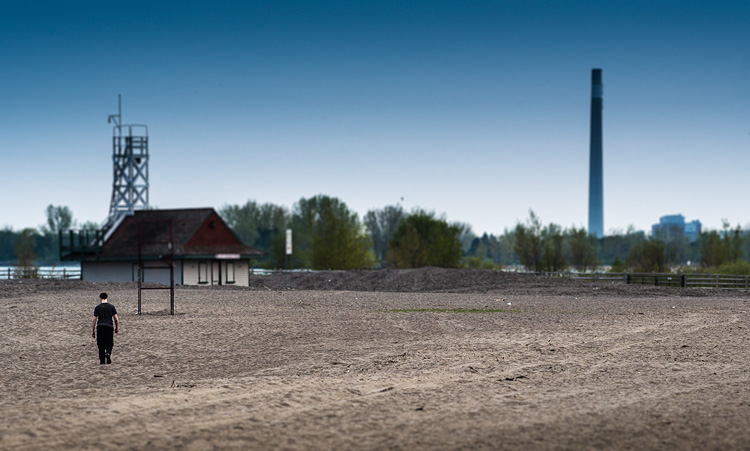
Nobody really knows how the activity in your brain reorganizes as you learn new tasks, but new research reveals that the brain has various mechanisms and constraints by which it reorganizes its neural activity when learning over the course of a few hours. The new research finds that, when learning a new task, the brain is less flexible than previously thought. Source: Brain is less flexible than we thought when learning
David Cottle
UBB Owner & Administrator
|
|



CMS The Best Conveyancing solicitors conveyancing quotes throughout the UK
For any webhosting enquiries please email webmaster@aus-city.com
|
|
Entire Thread
|
 Brain is less flexible than we thought when learning
|
Webmaster
|
Mon 12 Mar 2018 05:29:PM
|
|
Forums60
Topics859,417
Posts894,212
Members2,960
| |
Most Online102,106
Jul 10th, 2026
|
|
|
|
|

|