|
|
|
0 members (),
2,097
guests, and
41
robots. |
|
Key:
Admin,
Global Mod,
Mod
|
|
S |
M |
T |
W |
T |
F |
S |
|
1
|
2
|
3
|
4
|
5
|
6
|
7
|
|
8
|
9
|
10
|
11
|
12
|
13
|
14
|
|
15
|
16
|
17
|
18
|
19
|
20
|
21
|
|
22
|
23
|
24
|
25
|
26
|
27
|
28
|
|
29
|
30
|
|
|
|
|
|
|
There are no members with birthdays on this day. |
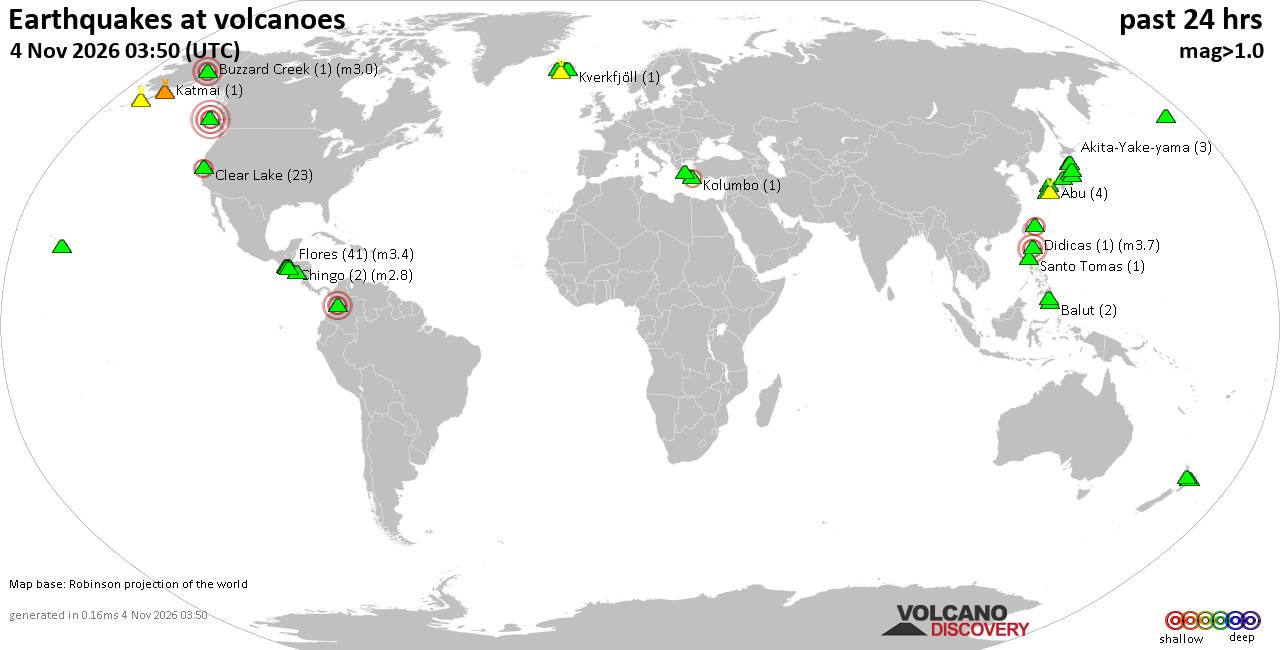
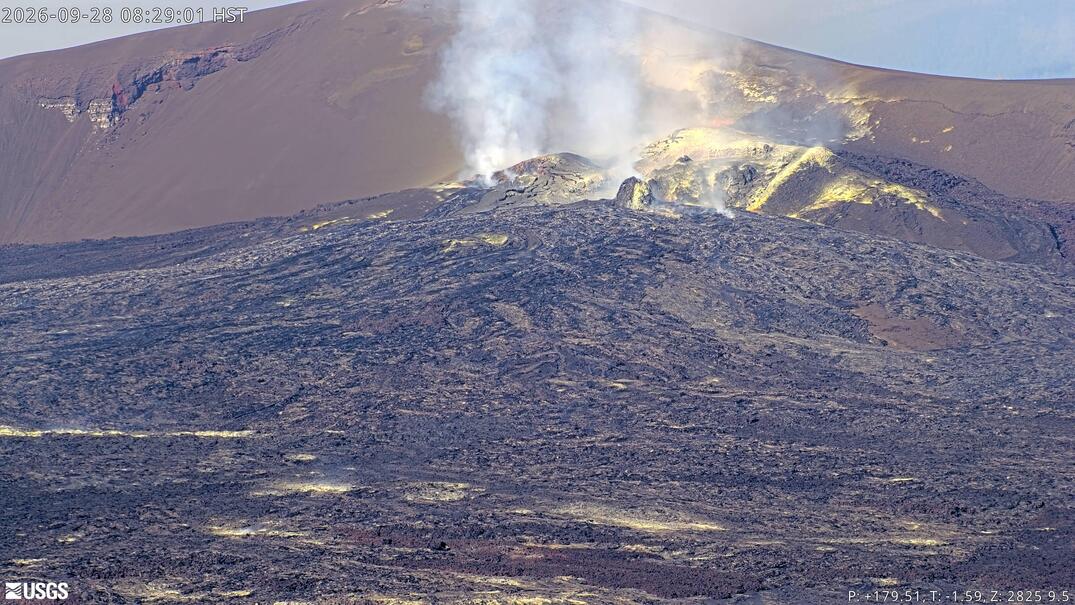
Volcano earthquake report for Wednesday, 4 November 2026
• M 3.2 - 3 km SE of Meno, Oklahoma
• M 1.9 - 10 km E of Pāhala, Hawaii
• M 1.5 - 37 km E of Clear, Alaska
• M 1.4 - 37 km E of Clear, Alaska
• M 4.4 - 2 km S of Cedro Arriba, Panama
|
|
|
Joined: Dec 2002
Posts: 95,834
Launch Director
|
|
Launch Director
Joined: Dec 2002
Posts: 95,834 |
Thanks for sharing about the Saka. It has sent me on yet another spiritual adventure full of synchronicities.  Naga is the word that I am most familiar with. But I think Naga and Saka go together. And I tried to search for the meaning of the words (the roots/origins). My personal findings leaves me feeling that Naga=serpent and Saka=water. Or wisdom of the goddess (because water to me is symbolic of her). And right now, I am really in-tune with the goddess and trying to move toward her. I even tried finding the meaning of the Japanese word Nagasaka (a town). It confused me for a while because of Nagasaki, the Japanese city atomic bombed, which adds another chilling image to my line of thinking. What is the difference between the Naga and the Saka?
|
|



CMS The Best Conveyancing solicitors conveyancing quotes throughout the UK
For any webhosting enquiries please email webmaster@aus-city.com
|
|
Forums60
Topics910,326
Posts945,123
Members2,960
| |
Most Online102,106
Jul 10th, 2026
|
|
|
|
|

|