|
|
|
0 members (),
1,816
guests, and
23
robots. |
|
Key:
Admin,
Global Mod,
Mod
|
|
S |
M |
T |
W |
T |
F |
S |
|
1
|
2
|
3
|
4
|
5
|
6
|
7
|
|
8
|
9
|
10
|
11
|
12
|
13
|
14
|
|
15
|
16
|
17
|
18
|
19
|
20
|
21
|
|
22
|
23
|
24
|
25
|
26
|
27
|
28
|
|
29
|
30
|
|
|
|
|
|
|
There are no members with birthdays on this day. |
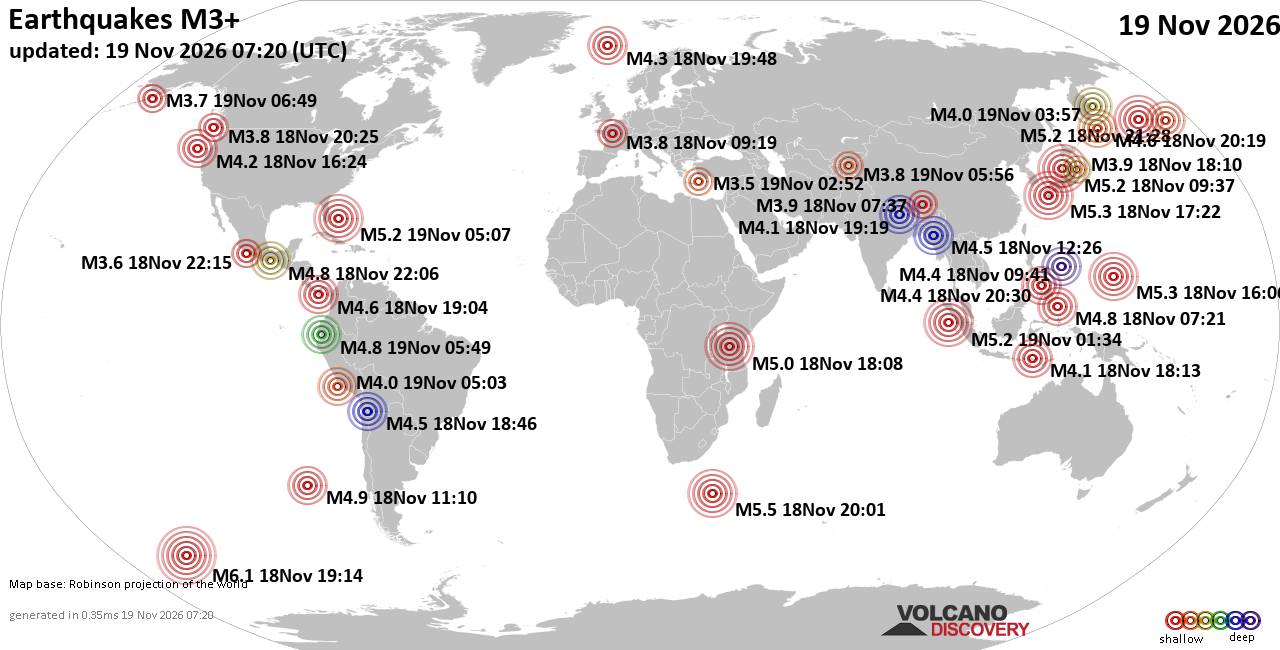
World Earthquake Report for Thursday, 19 November 2026
• M 4.4 - south of the Kermadec Islands
• M 3.4 - 18 km ENE of Borrego Springs, CA
• M 3.4 - 42 km N of Kernville, CA
• M 2.5 - 70 km S of Ugashik, Alaska
• M 2.5 - 70 km S of Ugashik, Alaska
|

#760379
Thu 03 Apr 2025 12:13:AM
|
Joined: Feb 2001
Posts: 800,656
Launch Director
|
|
Launch Director
Joined: Feb 2001
Posts: 800,656 |

When galaxies run out of primordial hydrogen and helium, they cease star formation, shifting to primarily long-lived red stars. These galaxies are considered "red and dead." It usually takes billions of years for galaxies to run out of hydrogen, but now astronomers using JWST have found examples of galaxies that have already stopped forming stars just 700 million years after the Big Bang, much earlier than predicted by cosmological models. Source: Galaxies Were Already Dying Just 700 Million Years After the Big Bang
|
|



CMS The Best Conveyancing solicitors conveyancing quotes throughout the UK
For any webhosting enquiries please email webmaster@aus-city.com
|
|
Entire Thread
|
 Galaxies Were Already Dying Just 700 Million Years After the Big Bang |
Webmaster
|
Thu 03 Apr 2025 12:13:AM
|
|
Forums60
Topics935,059
Posts969,856
Members2,960
| |
Most Online102,106
Jul 10th, 2026
|
|
|
|
|

|