|
1 members (Alisa),
5,012
guests, and
23
robots. |
|
Key:
Admin,
Global Mod,
Mod
|
|
S |
M |
T |
W |
T |
F |
S |
|
|
|
|
1
|
2
|
3
|
4
|
|
5
|
6
|
7
|
8
|
9
|
10
|
11
|
|
12
|
13
|
14
|
15
|
16
|
17
|
18
|
|
19
|
20
|
21
|
22
|
23
|
24
|
25
|
|
26
|
27
|
28
|
29
|
30
|
31
|
|
|
There are no members with birthdays on this day. |
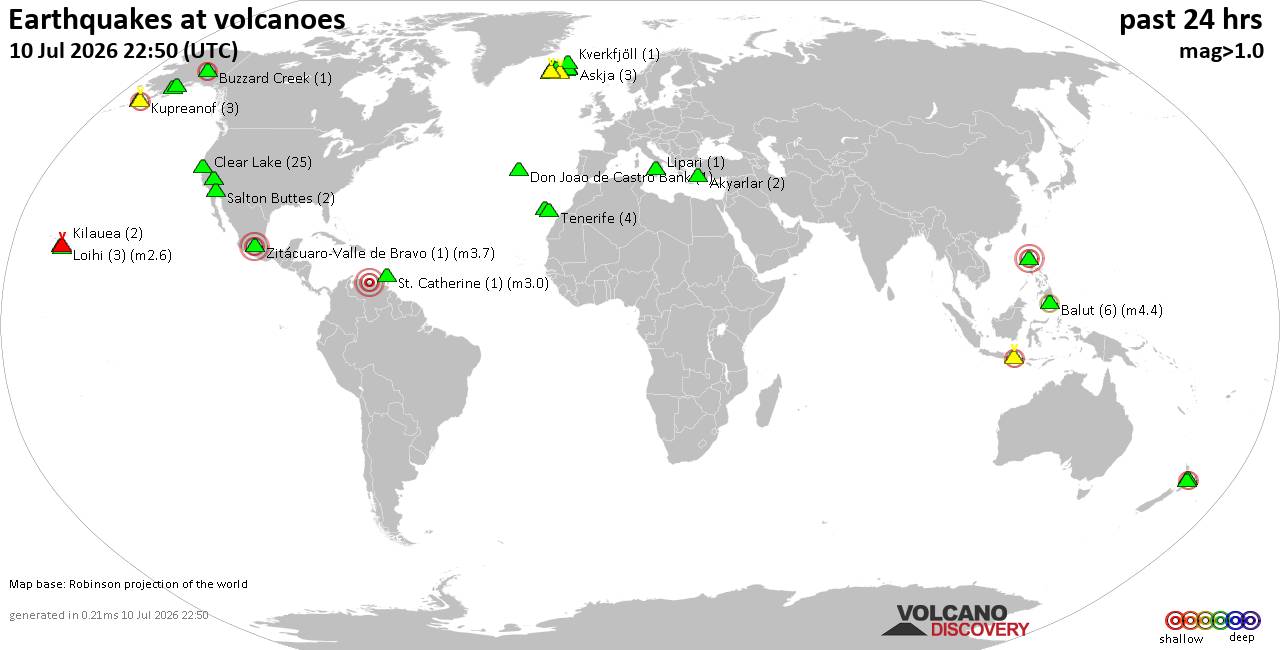
Volcano earthquake report for Friday, 10 Jul 2026
• Moderate mag. 4.2 earthquake - 133 km northwest of Ternate, Kota Ternate, N...
• World Earthquake Report for Friday, 10 July 2026
• Moderate mag. 4.6 earthquake - 17 km southwest of Comalapa, Estado de Chiap...
• Moderate mag. 4.1 earthquake - Olyutorskiy Rayon, 47 km northwest of Tilich...
• Moderate mag. 4.0 earthquake - Hawke's Bay, New Zealand, on Saturday, Jul 1...
|

#125092
Sun 21 Oct 2012 06:43:PM
|
Joined: Feb 2001
Posts: 678,976
Launch Director
|
OP

Launch Director
Joined: Feb 2001
Posts: 678,976 |
Smell is notoriously subjective and hard to define. Odors can be perceived differently by different people depending on genetics, culture, past experience, the environment, and whether they've had a really bad sinus infection or not. Even worse, the same person can perceive the same smell differently at different times, depending on how the smell is described and other sensory fluctuations.Leslie Vosshall's Laboratory of Neurogenetics and Behavior at Rockefeller University studies how complex behaviors are influenced by the chemical senses in organisms ranging from mosquitoes to humans. In order to better understand how human odor perception varies, both within individuals at different times and between different people, the lab asked nearly 400 New Yorkers to describe and rate the intensity and pleasantness of 66 different smells, at the same time collecting demographic data (significantly more diverse than the typical study of undergraduate psychology students) as well as data about their eating habits and perfume usage, finding many instances of variability in how people perceive smells. The lab recently published their extensive survey titled "An olfactory demography of a diverse metropolitan population" in the open-access journal BMC Neuroscience. They've also made their data freely available (you can download the huge excel file here ) for further analysis or data-mining. [More]          Source: Our Smell Universe
David Cottle
UBB Owner & Administrator
|
|



CMS The Best Conveyancing solicitors conveyancing quotes throughout the UK
For any webhosting enquiries please email webmaster@aus-city.com
|
|
Forums60
Topics789,850
Posts824,628
Members2,960
| |
Most Online102,106
Jul 10th, 2026
|
|
|