|
|
|
0 members (),
972
guests, and
30
robots. |
|
Key:
Admin,
Global Mod,
Mod
|
|
S |
M |
T |
W |
T |
F |
S |
|
|
|
1
|
2
|
3
|
4
|
5
|
|
6
|
7
|
8
|
9
|
10
|
11
|
12
|
|
13
|
14
|
15
|
16
|
17
|
18
|
19
|
|
20
|
21
|
22
|
23
|
24
|
25
|
26
|
|
27
|
28
|
29
|
30
|
|
|
|
|
There are no members with birthdays on this day. |
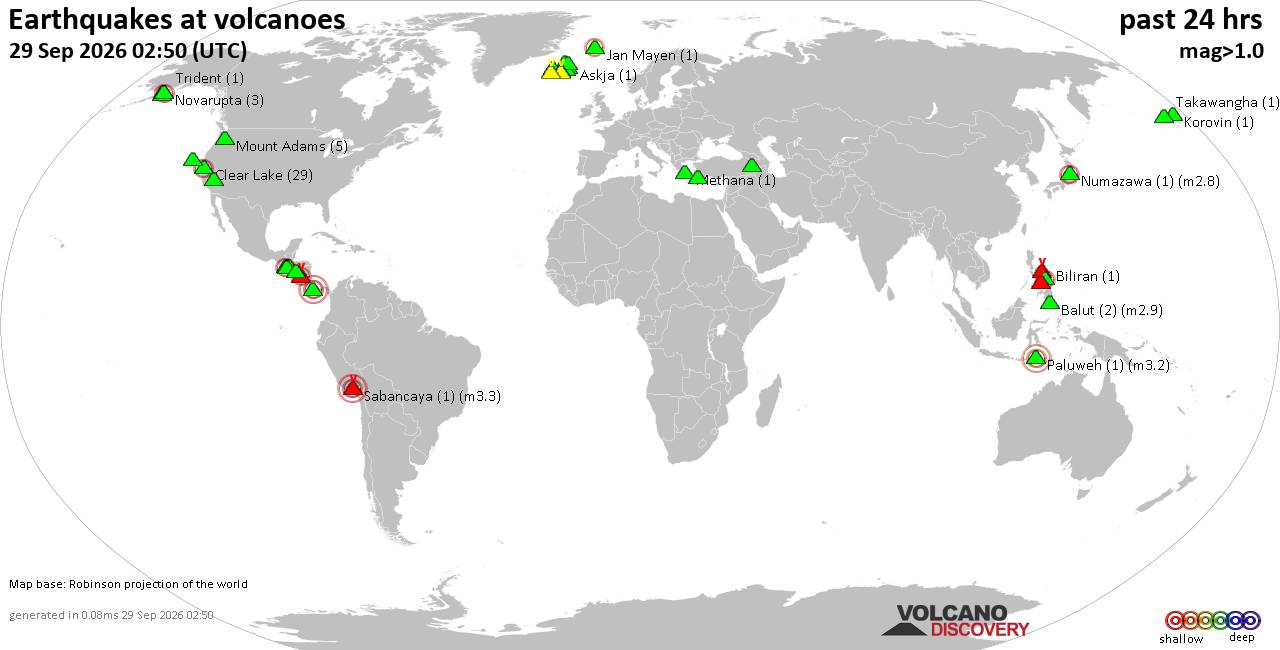
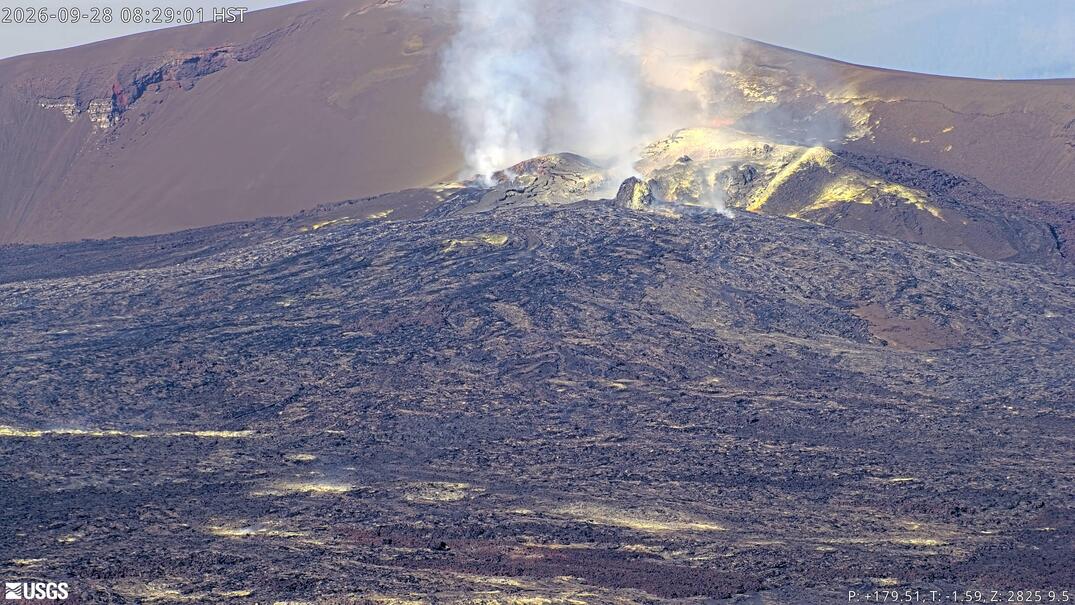
Volcano earthquake report for Tuesday, 29 September 2026
• M 0.6 - 67 km ENE of Pedro Bay, Alaska
• M 1.8 - 25 km SSW of Nanwalek, Alaska
• M 1.5 - 6 km NW of Pinnacles, CA
• M 2.0 - 58 km NE of King Cove, Alaska
• M -1.1 - 77 km NW of Ninilchik, Alaska
|

#149055
Tue 05 Mar 2013 07:51:PM
|
Joined: Feb 2001
Posts: 678,977
Launch Director
|
|
Launch Director
Joined: Feb 2001
Posts: 678,977 |
With every sunrise and sunset, our eyes make note of the light as it waxes and wanes, a process that is critical to aligning our circadian rhythms to match the solar day so we are alert during the day and restful at night. Watching the sun come and go sounds like a peaceful process, but scientists have discovered that behind the scenes, millions of specialized cells in our eyes are fighting for their lives to help the retina set the stage to keep our internal clocks ticking.  Source: Turf battle in retina helps internal clocks see the light
David Cottle
UBB Owner & Administrator
|
|



CMS The Best Conveyancing solicitors conveyancing quotes throughout the UK
For any webhosting enquiries please email webmaster@aus-city.com
|
|
Forums60
Topics846,460
Posts881,255
Members2,960
| |
Most Online102,106
Jul 10th, 2026
|
|
|
|
|

|