|
|
|
0 members (),
3,485
guests, and
24
robots. |
|
Key:
Admin,
Global Mod,
Mod
|
|
S |
M |
T |
W |
T |
F |
S |
|
|
|
1
|
2
|
3
|
4
|
5
|
|
6
|
7
|
8
|
9
|
10
|
11
|
12
|
|
13
|
14
|
15
|
16
|
17
|
18
|
19
|
|
20
|
21
|
22
|
23
|
24
|
25
|
26
|
|
27
|
28
|
29
|
30
|
|
|
|
|
There are no members with birthdays on this day. |

M 6.3 - 84 km SSW of Nikolski, Alaska
• M 3.6 - 185 km SE of Perryville, Alaska
• M 2.8 - 119 km SSW of Nikolski, Alaska
• M 1.0 - 22 km NE of San Lucas, CA
• M 1.9 - 26 km SW of Ackerly, Texas
• M 1.6 - 32 km NNE of Skwentna, Alaska
• M 2.1 - 4 km NNE of Snoqualmie, Washington
|

#184484
Tue 17 Sep 2013 01:01:PM
|
Joined: Feb 2001
Posts: 678,977
Launch Director
|
|
Launch Director
Joined: Feb 2001
Posts: 678,977 |
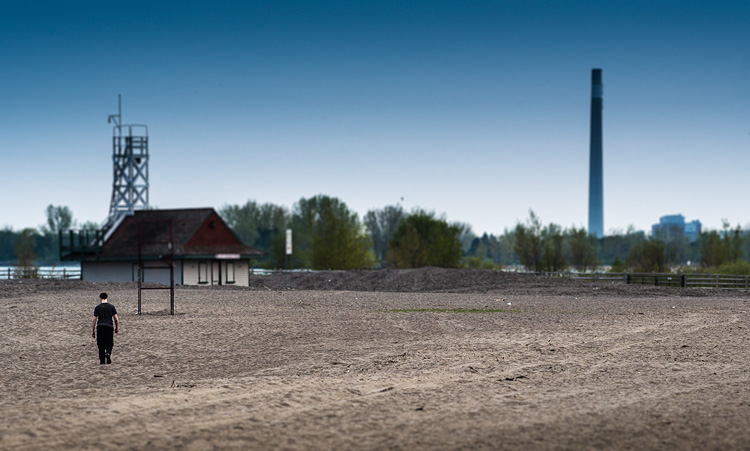
Why did anatomically modern humans replace Neandertals in Europe around 40,000 years ago? One hypothesis suggests that Neandertals were rigid in their dietary choice, targeting large herbivorous mammals, such as horse, bison and mammoths, while modern humans also exploited a wider diversity of dietary resources, including fish. This dietary flexibility of modern humans would have been a big advantage when competing with Neandertals and led to their final success. But new research does not support this hypothesis.  Source: Who was eating salmon 45,000 years ...ly not as rigid in their diet as thought
David Cottle
UBB Owner & Administrator
|
|



CMS The Best Conveyancing solicitors conveyancing quotes throughout the UK
For any webhosting enquiries please email webmaster@aus-city.com
|
|
Forums60
Topics819,970
Posts854,763
Members2,960
| |
Most Online102,106
Jul 10th, 2026
|
|
|
|
|

|