|
|
|
0 members (),
2,166
guests, and
27
robots. |
|
Key:
Admin,
Global Mod,
Mod
|
|
S |
M |
T |
W |
T |
F |
S |
|
|
|
1
|
2
|
3
|
4
|
5
|
|
6
|
7
|
8
|
9
|
10
|
11
|
12
|
|
13
|
14
|
15
|
16
|
17
|
18
|
19
|
|
20
|
21
|
22
|
23
|
24
|
25
|
26
|
|
27
|
28
|
29
|
30
|
|
|
|
|
There are no members with birthdays on this day. |
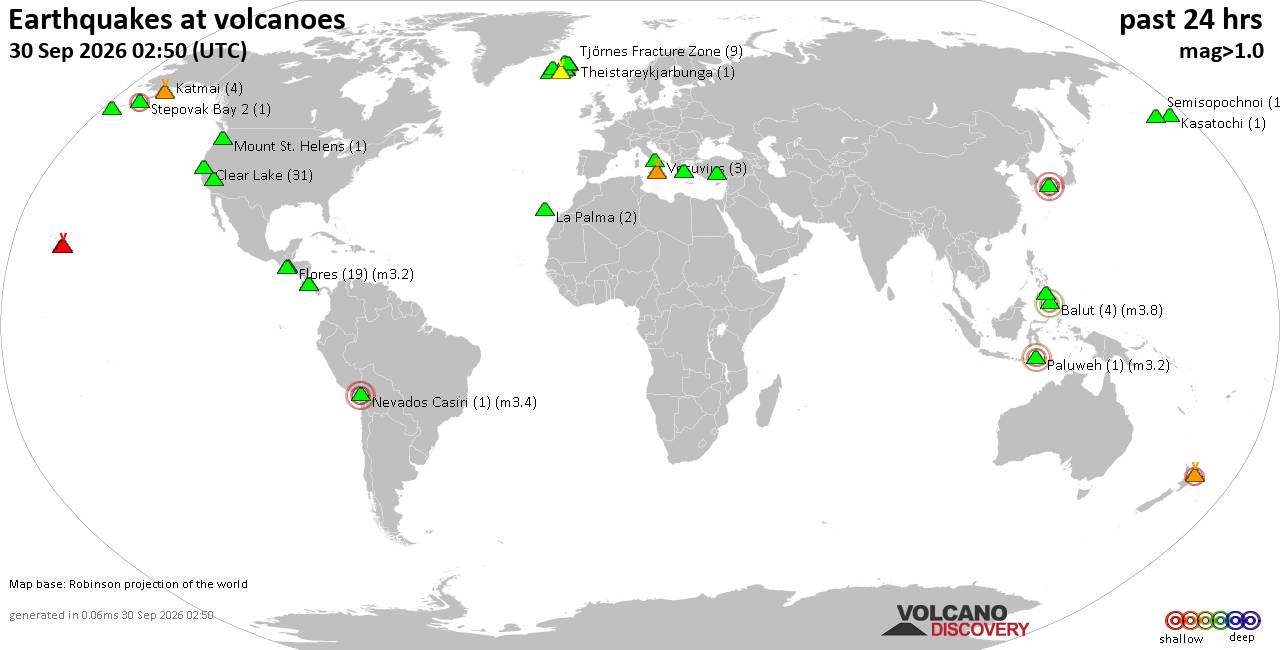
Volcano earthquake report for Wednesday, 30 September 2026
• M 0.9 - 2 km W of Inyokern, CA
• M 2.0 - 69 km NW of Aleneva, Alaska
• M 0.8 - 1 km SSW of Diablo, CA
• M 1.3 - 11 km SW of Loyola, CA
• M 4.8 - 18 km SW of Tayaman, Philippines
|

#381564
Wed 22 Jun 2016 02:48:PM
|
Joined: Feb 2001
Posts: 678,977
Launch Director
|
|
Launch Director
Joined: Feb 2001
Posts: 678,977 |
In 2012, a research group proved that the source of sounds associated with the Northern Lights is located close to the ground at an altitude of approximately 70 meters. Now, by combining his measurements with the temperature profiles measured by the Finnish Meteorological Institute, a researcher has found an explanation for the mechanism that creates the sound. According to the new inversion layer hypothesis, the popping and crackling sounds associated with the Northern Lights are born when the related geomagnetic storm activates the charges that have accumulated in the atmosphere's inversion layer causing them to discharge. Source: Acoustics researcher finds explanation for auroral sounds
David Cottle
UBB Owner & Administrator
|
|



CMS The Best Conveyancing solicitors conveyancing quotes throughout the UK
For any webhosting enquiries please email webmaster@aus-city.com
|
|
Forums60
Topics848,606
Posts883,401
Members2,960
| |
Most Online102,106
Jul 10th, 2026
|
|
|
|
|

|