|
|
|
0 members (),
2,518
guests, and
27
robots. |
|
Key:
Admin,
Global Mod,
Mod
|
|
S |
M |
T |
W |
T |
F |
S |
|
|
|
1
|
2
|
3
|
4
|
5
|
|
6
|
7
|
8
|
9
|
10
|
11
|
12
|
|
13
|
14
|
15
|
16
|
17
|
18
|
19
|
|
20
|
21
|
22
|
23
|
24
|
25
|
26
|
|
27
|
28
|
29
|
30
|
|
|
|
|
There are no members with birthdays on this day. |
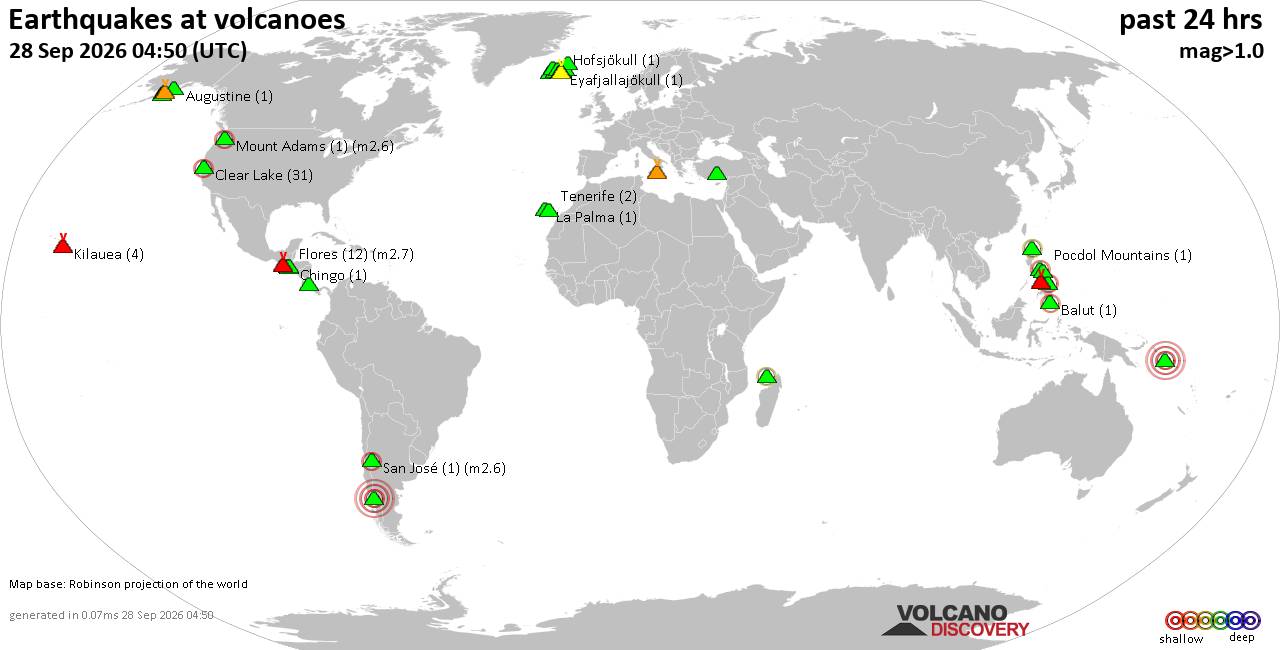
Volcano earthquake report for Monday, 28 September 2026
• M 5.4 - north of Svalbard
• M 2.4 - 70 km SSW of Nikolski, Alaska
• M 4.1 - 105 km SSW of Nikolski, Alaska
• M 1.3 - 11 km SSE of Portola Valley, CA
• M 1.5 - 28 km WNW of Enoch, Utah
|

#397311
Fri 30 Sep 2016 05:05:PM
|
Joined: Feb 2001
Posts: 678,977
Launch Director
|
|
Launch Director
Joined: Feb 2001
Posts: 678,977 |
When exposed to cold, clusters of cells within the body's white fat become beige -- a color change that reflects the creation of more energy-producing mitochondria, cellular components that enable cells to burn calories and give off heat. But since white fat cells have very few nerves, how do beige fat cells get the message that it’s cold outside? Source: Fat cells that amplify nerve signal...ood sugar metabolism, researchers report
David Cottle
UBB Owner & Administrator
|
|



CMS The Best Conveyancing solicitors conveyancing quotes throughout the UK
For any webhosting enquiries please email webmaster@aus-city.com
|
|
Forums60
Topics844,570
Posts879,365
Members2,960
| |
Most Online102,106
Jul 10th, 2026
|
|
|
|
|

|