|
|
|
1 members (Alisa),
2,656
guests, and
26
robots. |
|
Key:
Admin,
Global Mod,
Mod
|
|
S |
M |
T |
W |
T |
F |
S |
|
|
|
|
|
1
|
2
|
3
|
|
4
|
5
|
6
|
7
|
8
|
9
|
10
|
|
11
|
12
|
13
|
14
|
15
|
16
|
17
|
|
18
|
19
|
20
|
21
|
22
|
23
|
24
|
|
25
|
26
|
27
|
28
|
29
|
30
|
31
|
|
There are no members with birthdays on this day. |
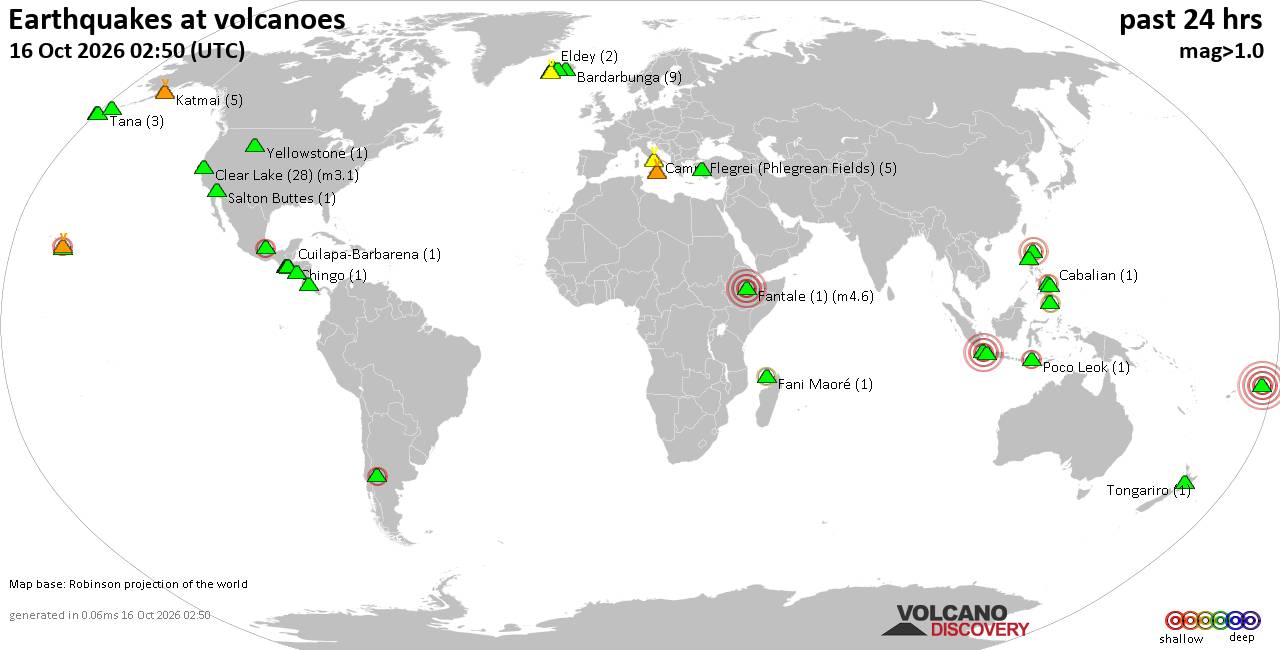
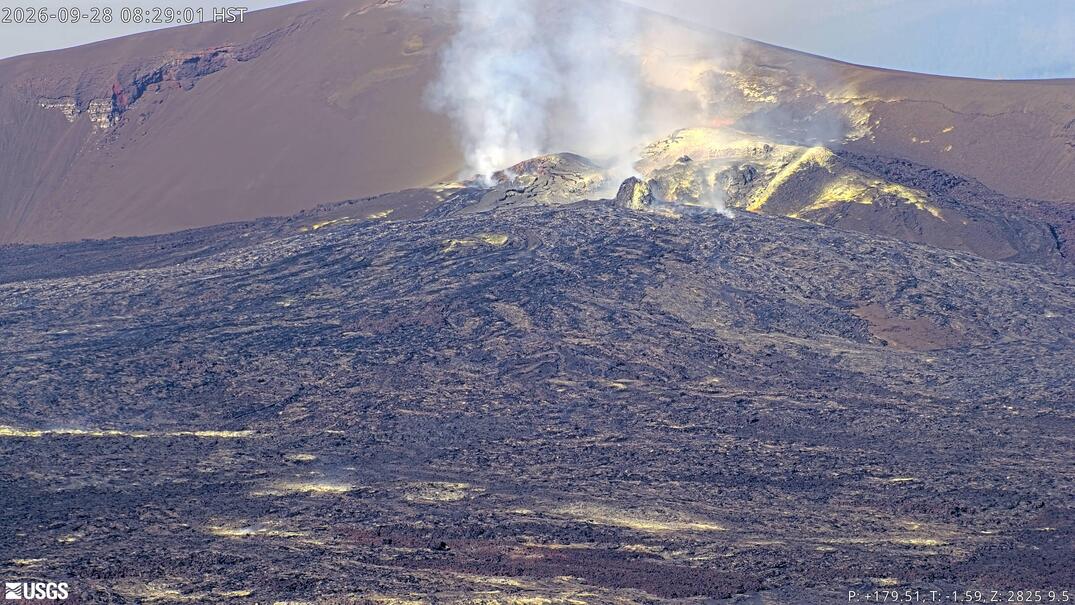
Volcano earthquake report for Friday, 16 October 2026
• M 3.1 - 202 km SE of Atka, Alaska
• M 2.3 - 40 km E of Chase, Alaska
• M 3.6 - 2 km NW of Knik, Alaska
• M 3.3 - 65 km NE of Punta Cana, Dominican Republic
• M 3.6 - 282 km ESE of Chiniak, Alaska
|

#513944
Wed 24 Jul 2019 10:06:AM
|
Joined: Feb 2001
Posts: 678,977
Launch Director
|
|
Launch Director
Joined: Feb 2001
Posts: 678,977 |
Abstract: Future astronomical instruments will require sub-Kelvin detector temperatures to obtain high sensitivity. In many cases large arrays of detectors will be used, and the associated cooling systems will need performance surpassing the limits of present technologies. NASA is developing a compact cooling system that will lift heat continuously at temperatures below 50 mK and reject it at over 10 K. Based on Adiabatic Demagnetization Refrigerators (ADRs), it will have high thermodynamic efficiency ... Source: Development of a Space-Flight ADR Providing Continuous Cooling at 50 mK with Heat Rejection at 10 K
|
|



CMS The Best Conveyancing solicitors conveyancing quotes throughout the UK
For any webhosting enquiries please email webmaster@aus-city.com
|
|
Forums60
Topics879,124
Posts913,920
Members2,960
| |
Most Online102,106
Jul 10th, 2026
|
|
|
|
|

|