|
0 members (),
1,640
guests, and
27
robots. |
|
Key:
Admin,
Global Mod,
Mod
|
|
S |
M |
T |
W |
T |
F |
S |
|
|
|
|
|
1
|
2
|
3
|
|
4
|
5
|
6
|
7
|
8
|
9
|
10
|
|
11
|
12
|
13
|
14
|
15
|
16
|
17
|
|
18
|
19
|
20
|
21
|
22
|
23
|
24
|
|
25
|
26
|
27
|
28
|
29
|
30
|
31
|
|
There are no members with birthdays on this day. |
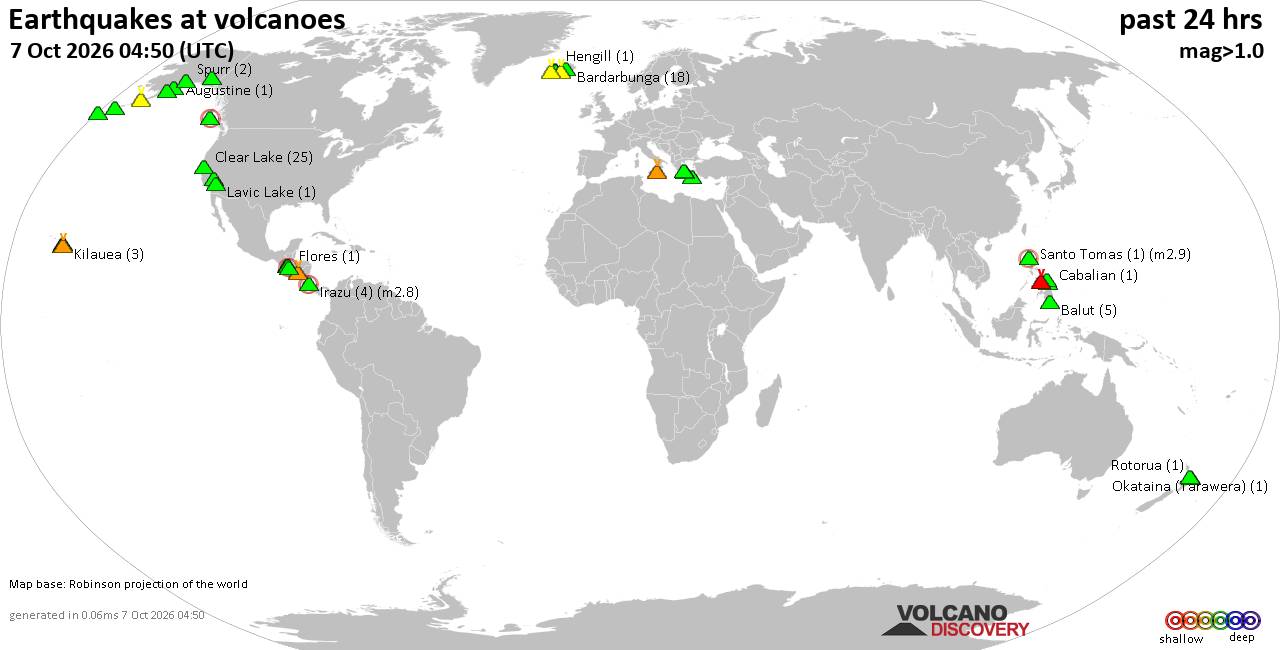
Volcano earthquake report for Wednesday, 7 October 2026
• Moderate mag. 4.1 earthquake - Ecuador on Wednesday, Oct 7, 2026, at 04:06 ...
• M 1.3 - 49 km E of Pedro Bay, Alaska
• M 1.7 - 7 km WSW of Bull Shoals, Arkansas
• M 3.5 - 13 km ENE of Nyora, Australia
• M 1.7 - 10 km S of Idyllwild, CA
|

#54009
Mon 21 Mar 2011 01:13:PM
|
Joined: Feb 2001
Posts: 678,977
Launch Director
|
|
Launch Director
Joined: Feb 2001
Posts: 678,977 |
The radiation crisis in Japan worsens, for two reasons, one that we’ve heard about, one that we haven’t but which may in the end do far more harm. The Japanese government, and the company in charge of the crippled nuclear complex, are struggling with their risk and crisis communications, and their missteps are fueling mistrust and anger, which magnifies fear and stress, which may do more health damage than the radiation itself. Some efforts have been outstanding. The constant presence of Chief Cabinet Secretary Yukio Edano, providing updates several times an hour, dressed in the work clothes of an emergency responder, not the suit and tie of a bureaucrat, and responding to questions without a script and with concern, has been very important. But Tokyo Electric’s (TEPCO) apology, days into the crisis, even though made by company President Masataka Shimizu, seemed insincere against news that the company had to be ordered by Prime Minister Naoto Kan to keep it’s workers at the site, despite radiation danger, to try to bring the nuclear reactors under control. Further, it took four days for the government and TEPCO to coordinate communications, and the disjointed and incomplete information released in those first few critical days created grave mistrust in both the company and the government. Edano himself said yesterday "In hindsight, we could have moved a little quicker in assessing the situation and coordinating all that information and provided it faster." [More]          Source: Poor Risk Communication In Japan is Making the Risk Much Worse.
David Cottle
UBB Owner & Administrator
|
|



CMS The Best Conveyancing solicitors conveyancing quotes throughout the UK
For any webhosting enquiries please email webmaster@aus-city.com
|
|
Forums60
Topics862,001
Posts896,796
Members2,960
| |
Most Online102,106
Jul 10th, 2026
|
|
|