|
|
|
0 members (),
857
guests, and
25
robots. |
|
Key:
Admin,
Global Mod,
Mod
|
|
S |
M |
T |
W |
T |
F |
S |
|
|
|
|
|
1
|
2
|
3
|
|
4
|
5
|
6
|
7
|
8
|
9
|
10
|
|
11
|
12
|
13
|
14
|
15
|
16
|
17
|
|
18
|
19
|
20
|
21
|
22
|
23
|
24
|
|
25
|
26
|
27
|
28
|
29
|
30
|
31
|
|
There are no members with birthdays on this day. |
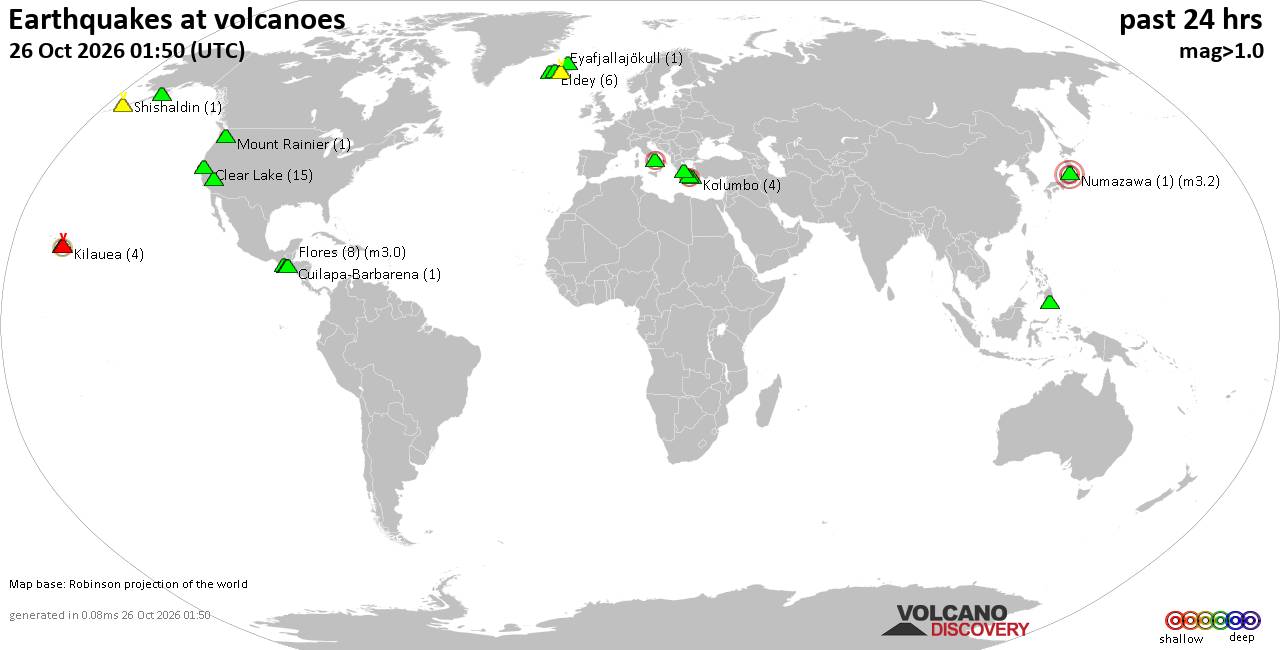
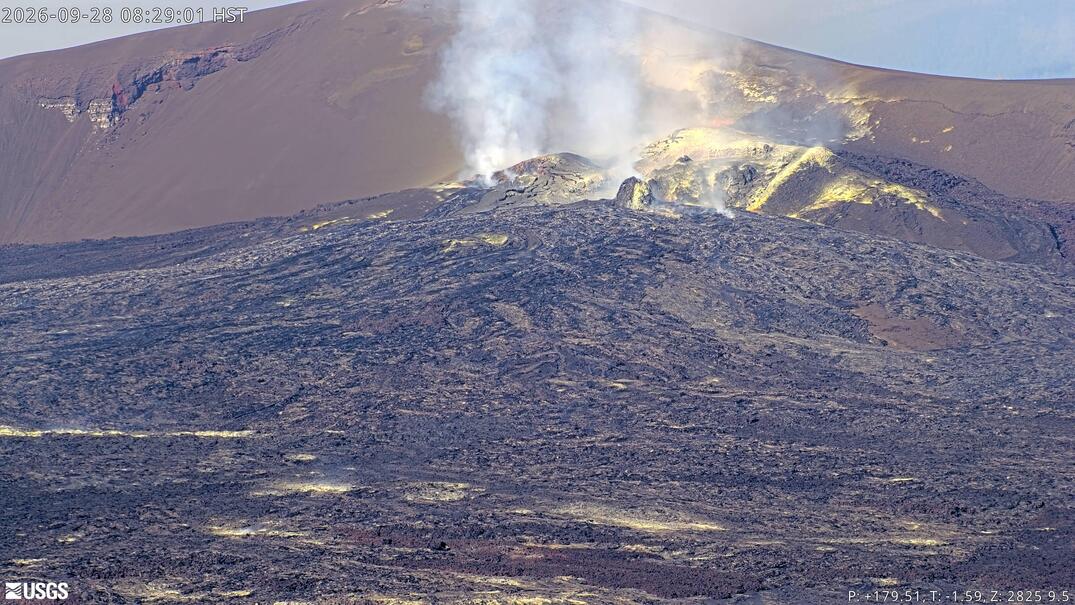
Volcano earthquake report for Monday, 26 October 2026
• M 1.7 - 4 km WNW of Sylmar, CA
• M 1.0 - 9 km WNW of Anza, CA
• M 4.9 - 205 km NW of Port-Olry, Vanuatu
• M 1.5 - 66 km NW of Yakutat, Alaska
• M 4.7 - 167 km SSE of Vilyuchinsk, Russia
|

#562251
Fri 22 May 2020 02:23:PM
|
Joined: Feb 2001
Posts: 678,977
Launch Director
|
|
Launch Director
Joined: Feb 2001
Posts: 678,977 |
Scientists have shown for the first time that there is a strong correlation between the complex patterns on male darters and their highly-variable environments. The findings support and expand upon sensory drive theory, which states that the environment influences which sexual signals, like visual patterns, are selected for. Previous sensory drive research looked at simple signals (e.g. colors), but Hulse used Fourier analysis to greatly expand that work. Source: How the darter got stripes: Expanding a sexual selection theory explains animal patterns
|
|



CMS The Best Conveyancing solicitors conveyancing quotes throughout the UK
For any webhosting enquiries please email webmaster@aus-city.com
|
|
Forums60
Topics894,078
Posts928,875
Members2,960
| |
Most Online102,106
Jul 10th, 2026
|
|
|
|
|

|