|
|
|
0 members (),
1,280
guests, and
29
robots. |
|
Key:
Admin,
Global Mod,
Mod
|
|
S |
M |
T |
W |
T |
F |
S |
|
|
|
|
|
1
|
2
|
3
|
|
4
|
5
|
6
|
7
|
8
|
9
|
10
|
|
11
|
12
|
13
|
14
|
15
|
16
|
17
|
|
18
|
19
|
20
|
21
|
22
|
23
|
24
|
|
25
|
26
|
27
|
28
|
29
|
30
|
31
|
|
There are no members with birthdays on this day. |
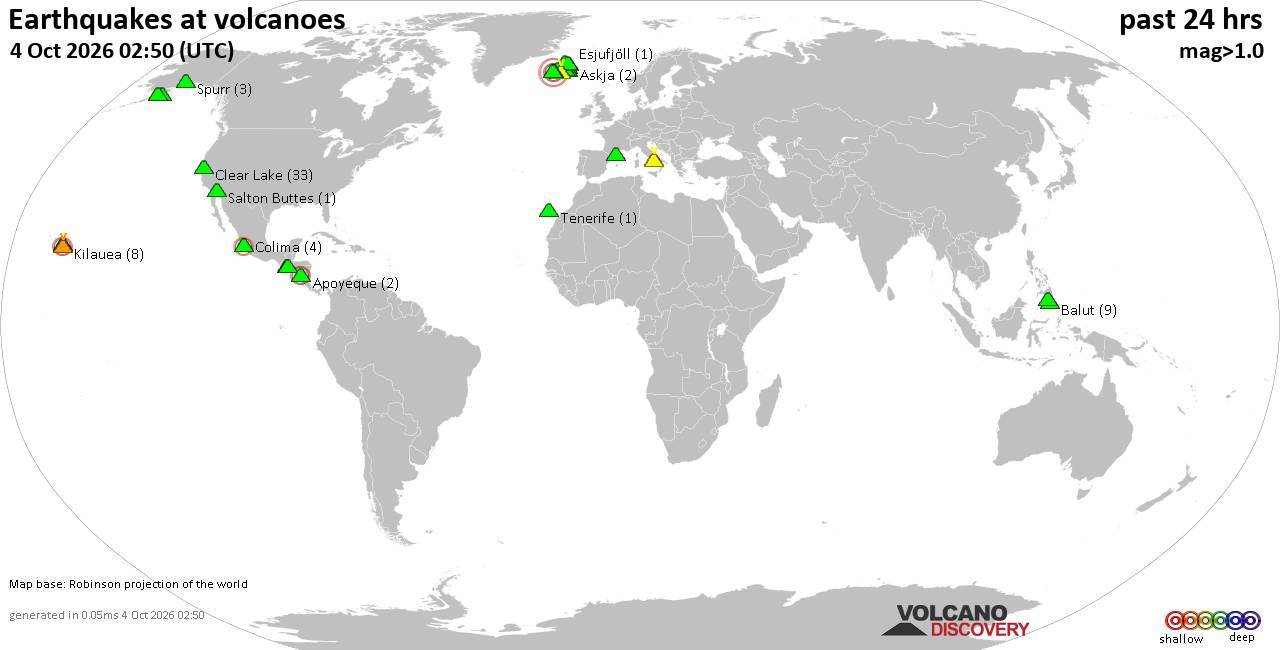
Volcano earthquake report for Sunday, 4 October 2026
• M 0.3 - 9 km SW of Beaumont, CA
• M 0.8 - 8 km NW of The Geysers, CA
• M 4.5 - 57 km S of Buala, Solomon Islands
• M 2.0 - 2 km NE of Almanor, CA
• M 0.9 - 15 km N of California City, CA
• M 1.9 - 22 km SSE of Pāhala, Hawaii
|

#633292
Tue 30 Nov 2021 08:04:PM
|
Joined: Feb 2001
Posts: 678,977
Launch Director
|
|
Launch Director
Joined: Feb 2001
Posts: 678,977 |
Monsoons are continental weather events produced when intense summer sunlight heats land more than ocean. But new supercomputer simulations show that North America's only monsoon works differently. The North American monsoon, which drenches western Mexico and the American Southwest each summer, is generated when the jet stream collides with the Sierra Madre mountains, which diverts it southward and upward, condensing moisture laden air from the eastern Pacific into torrential rains. Source: Summer rains in American Southwest are not your typical monsoon
|
|



CMS The Best Conveyancing solicitors conveyancing quotes throughout the UK
For any webhosting enquiries please email webmaster@aus-city.com
|
|
Forums60
Topics856,689
Posts891,484
Members2,960
| |
Most Online102,106
Jul 10th, 2026
|
|
|
|
|

|