|
|
|
0 members (),
2,464
guests, and
28
robots. |
|
Key:
Admin,
Global Mod,
Mod
|
|
S |
M |
T |
W |
T |
F |
S |
|
|
|
|
|
|
|
1
|
|
2
|
3
|
4
|
5
|
6
|
7
|
8
|
|
9
|
10
|
11
|
12
|
13
|
14
|
15
|
|
16
|
17
|
18
|
19
|
20
|
21
|
22
|
|
23
|
24
|
25
|
26
|
27
|
28
|
29
|
|
30
|
31
|
|
|
|
|
|
|
There are no members with birthdays on this day. |
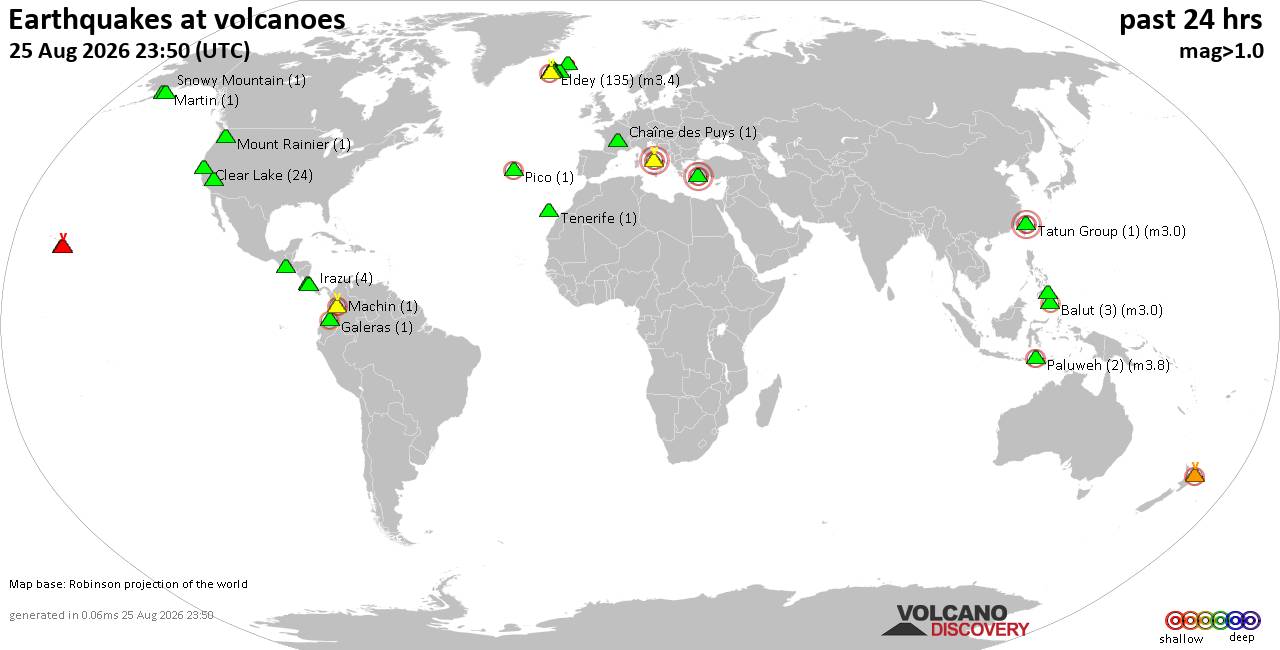
Volcano earthquake report for Tuesday, 25 Aug 2026
• Light mag. 3.9 earthquake - Myanmar (Burma): 85km NNW of Burma, Myanmar, on...
• World Earthquake Report for Tuesday, 25 August 2026
• Moderate mag. 4.0 earthquake - South OF Bali, Indonesia, on Wednesday, Aug ...
• Moderate mag. 4.7 earthquake - 77 km E of Tomioka, Japan, on Wednesday, Aug...
• Moderate mag. 4.2 earthquake - 192 km SSE of Sarangani, Philippines, on Wed...
|

#823867
Tue 07 Jul 2026 10:49:PM
|
Joined: Dec 2002
Posts: 95,820
Launch Director
|
|
Launch Director
Joined: Dec 2002
Posts: 95,820 |
Prestige, Career Paths, and Job Satisfaction Among Recent Philosophy PhDs (guest post)Philosophy PhDs whose family backgrounds are higher in socioeconomic status are more likely to earn their doctorates from more prestigious programs. The graduates of more prestigious PhD programs are more likely to prefer academic employment to non-academic employment, and to obtain it. Those are among the several findings shared in this guest post by Kino Zhao, assistant professor of philosophy at Simon Fraser University and one of the co-directors of the Academic Philosophy Data & Analysis (APDA) project. The analysis is based on information in the APDA database and responses to its 2025 survey. (A version of this post appears at The APDA Blog.) Prestige, Career Paths, and Job Satisfaction Among Recent Philosophy PhDs by Kino Zhao In an earlier post, Carolyn Dicey Jennings reported some findings concerning career paths of philosophy PhDs that was based on data collected from program websites and other online sources. In this post, I discuss some findings on academic vs non-academic career paths that are based on both the APDA database and the 2025 survey. Description of Data I draw on two different data sources for this analysis. The first, I will call Coded Data, is a dataset we maintain by manually tracking down placement data on graduates from 150 English-speaking philosophy PhD programs (using a combination of department placement pages and internet searches, and input from program representatives and the individuals themselves). This dataset is not anonymous to APDA personnel or program representatives (names are removed for the broader public), but it only contains what is publicly available such as one’s employing institution and job title, alongside names and basic contact information (email). Everyone from this dataset for whom we can find contact information is invited to participate in the survey we conduct every two years, resulting in what I will call Survey Data. The survey data is anonymous. It asks respondents to report things like whether they are satisfied with their current employment without providing us a way of knowing who their employers are (for obvious reasons). For a more comprehensive overview of the methodology behind these two datasets, see this methodology paper. For this analysis, I am only looking at people who graduated in the year 2015 or after. All incomplete entries are dropped. Table 1. Coded Data: Facts.. The post Prestige, Career Paths, and Job Satisfaction Among Recent Philosophy PhDs (guest post) first appeared on Daily Nous. https://dailynous.com/2026/07/07/prestige-career-paths-and-job-satisfaction-among-recent-philosophy-phds-guest-post/
|
|



CMS The Best Conveyancing solicitors conveyancing quotes throughout the UK
For any webhosting enquiries please email webmaster@aus-city.com
|
|
Forums60
Topics802,022
Posts836,815
Members2,960
| |
Most Online102,106
Jul 10th, 2026
|
|
|
|
|

|