|
0 members (),
1,750
guests, and
25
robots. |
|
Key:
Admin,
Global Mod,
Mod
|
|
S |
M |
T |
W |
T |
F |
S |
|
|
|
|
|
1
|
2
|
3
|
|
4
|
5
|
6
|
7
|
8
|
9
|
10
|
|
11
|
12
|
13
|
14
|
15
|
16
|
17
|
|
18
|
19
|
20
|
21
|
22
|
23
|
24
|
|
25
|
26
|
27
|
28
|
29
|
30
|
31
|
|
There are no members with birthdays on this day. |
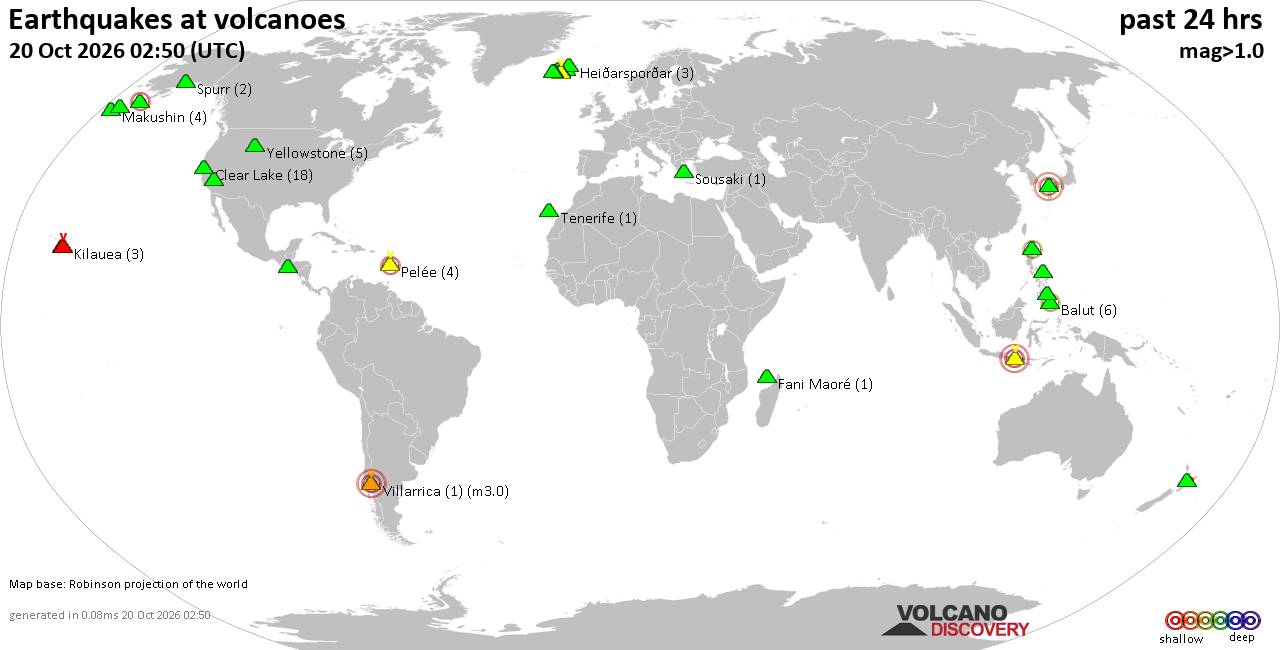
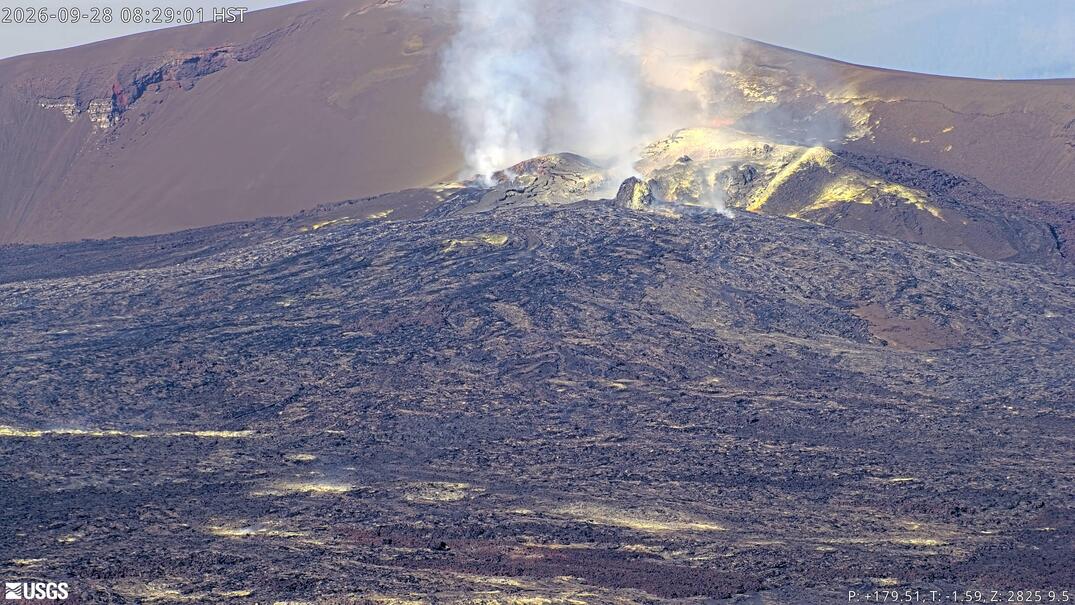
Volcano earthquake report for Tuesday, 20 October 2026
• M 1.8 - 4 km NW of The Geysers, CA
• M 2.1 - 46 km WNW of Tyonek, Alaska
• M 1.5 - 57 km SSE of Manley Hot Springs, Alaska
• M 3.1 - 254 km SSE of Perryville, Alaska
• M 0.3 - 3 km WSW of Anza, CA
|

#825558
Wed 15 Jul 2026 02:23:PM
|
Joined: Dec 2002
Posts: 95,831
Launch Director
|
|
Launch Director
Joined: Dec 2002
Posts: 95,831 |
The Temple Tax
Matthew 17
24 When they came to Capernaum, the collectors of the two-drachma tax went up to Peter and said, “Does your teacher not pay the tax?†25 He said, “Yes.†And when he came into the house, Jesus spoke to him first, saying, “What do you think, Simon? From whom do kings of the earth take toll or tax? From their sons or from others?†26 And when he said, “From others,†Jesus said to him, “Then the sons are free. 27 However, not to give offense to them, go to the sea and cast a hook and take the first fish that comes up, and when you open its mouth you will find a shekel. Take that and give it to them for me and for yourself.â€
In Matthew 17, Jesus refers to himself in a way that highlights his unique kingship. He is acknowledged as the Son of God and is considered a king, but he is not a son of an earthly king. Instead, his authority is spiritual rather than political.
Jesus engages in a conversation about paying the temple tax, which leads to a deeper understanding of his kingship. Jesus asks Peter whether earthly kings collect taxes from their own sons or from others. Peter answers that they collect from others, implying that as the Son of God, Jesus is free from such obligations. But to avoid offending the temple authorities, Jesus instructs Peter to catch a fish, which will have a coin to pay the tax. This act demonstrates his divine authority and the nature of his kingship.
Jesus' identity as a king is rooted in his divine sonship and authority from God, distinguishing him from earthly kings. His kingship is characterized by service and spiritual leadership rather than political power.
|
|



CMS The Best Conveyancing solicitors conveyancing quotes throughout the UK
For any webhosting enquiries please email webmaster@aus-city.com
|
|
|
Joined: Dec 2002
Posts: 95,831
Launch Director
|
|
Launch Director
Joined: Dec 2002
Posts: 95,831 |
Overall, Jesus' life exemplified a detachment from material wealth, focusing instead on spiritual richness. His teachings encourage followers to prioritize their relationship with God over financial gain. Scriptures describe Jesus as living simply and relying on the generosity of others, with supporters like Mary Magdalene, Joanna, and Susanna providing for him and his disciples from their resources.
Jesus declared, “No one can serve two masters, for either he will hate the one and love the other, or he will be devoted to the one and despise the other. You cannot serve God and money†(Matthew 6:24).
“Do not lay up for yourselves treasures on earth... but lay up for yourselves treasures in heaven... For where your treasure is, there your heart will be also†(Matthew 6:19-21).
“Beware! Guard against every kind of greed. Life is not measured by how much you own†(Luke 12:15).
When a rich young ruler went away sad because Jesus told him to sell his possessions and give to the poor, Jesus remarked to His disciples, “Truly, I say to you, only with difficulty will a rich person enter the kingdom of heaven†(Matthew 19:23).
In the Sermon on the Mount, Jesus addresses the anxiety that so often surrounds money and provisions. “Therefore I tell you, do not worry about your life, what you will eat or what you will drink... Look at the birds of the air... Are you not much more valuable than they?†(Matthew 6:25-26).
To those who would be His disciples, Jesus gave a radical command that strikes at the heart of materialism: “Sell your possessions, and give to the needy. Provide yourselves with moneybags that do not grow old, with a treasure in the heavens that does not fail†(Luke 12:33).
For the love of money is a root of all kinds of evil: which some reaching after have been led astray from the faith, and have pierced themselves through with many sorrows. (1 Timothy 6:10)
Matthew 19:23-30
Then Jesus said to his disciples, “Truly I tell you, it is hard for someone who is rich to enter the kingdom of heaven. 24 Again I tell you, it is easier for a camel to go through the eye of a needle than for someone who is rich to enter the kingdom of God.â€
25 When the disciples heard this, they were greatly astonished and asked, “Who then can be saved?â€
26 Jesus looked at them and said, “With man this is impossible, but with God all things are possible.â€
27 Peter answered him, “We have left everything to follow you! What then will there be for us?â€
28 Jesus said to them, “Truly I tell you, at the renewal of all things, when the Son of Man sits on his glorious throne, you who have followed me will also sit on twelve thrones, judging the twelve tribes of Israel. 29 And everyone who has left houses or brothers or sisters or father or mother or wife or children or fields for my sake will receive a hundred times as much and will inherit eternal life. 30 But many who are first will be last, and many who are last will be first.
|
|
|
|
Joined: Dec 2002
Posts: 95,831
Launch Director
|
|
Launch Director
Joined: Dec 2002
Posts: 95,831 |
How did Jesus get money  He thought about it  
|
|
|
Forums60
Topics884,447
Posts919,244
Members2,960
| |
Most Online102,106
Jul 10th, 2026
|
|
|