|
|
|
0 members (),
1,951
guests, and
24
robots. |
|
Key:
Admin,
Global Mod,
Mod
|
|
S |
M |
T |
W |
T |
F |
S |
|
|
|
|
|
|
|
1
|
|
2
|
3
|
4
|
5
|
6
|
7
|
8
|
|
9
|
10
|
11
|
12
|
13
|
14
|
15
|
|
16
|
17
|
18
|
19
|
20
|
21
|
22
|
|
23
|
24
|
25
|
26
|
27
|
28
|
29
|
|
30
|
31
|
|
|
|
|
|
|
There are no members with birthdays on this day. |
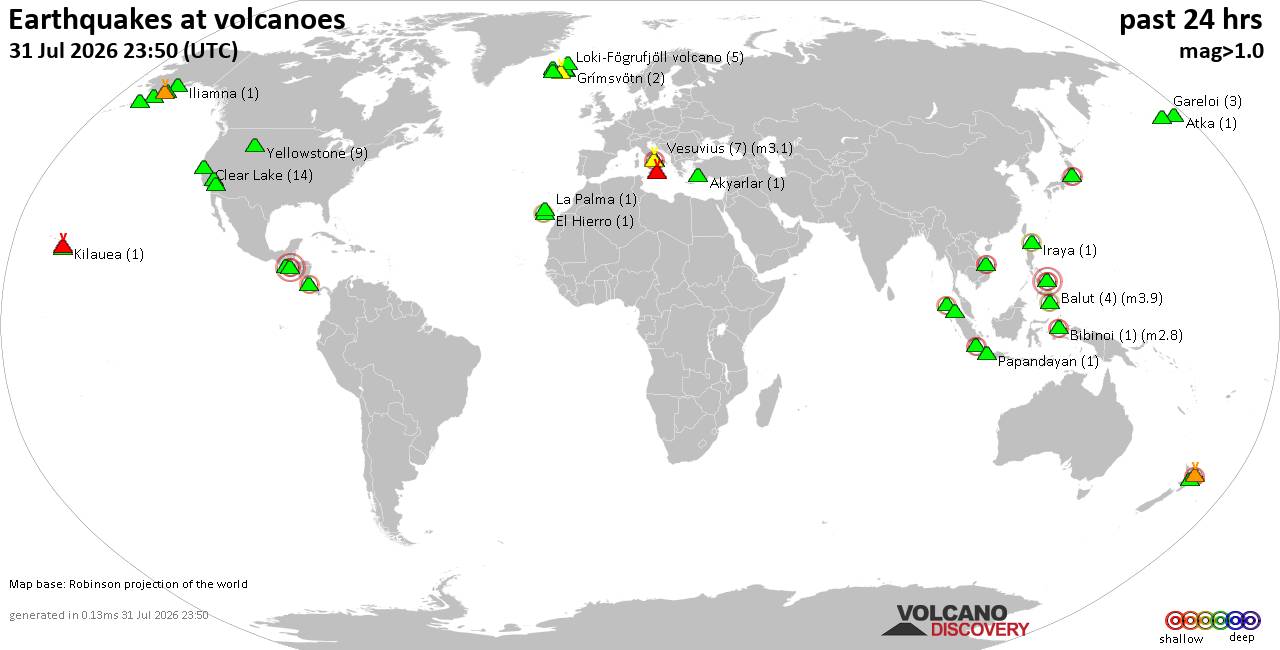
Volcano earthquake report for Friday, 31 Jul 2026
• World Earthquake Report for Friday, 31 July 2026
• Light mag. 3.9 earthquake - Philippine Sea, 57 km east of Sulangan, Philipp...
• Small tremor of magnitude 3.1 just reported 10 km southwest of Naples, Ital...
• Seismic-like event, possible earthquake, reported few minutes ago near Napl...
• Strong mag. 5.0 earthquake - 65 km northeast of Pu'er, Yunnan Sheng, China,...
|

#85228
Tue 13 Mar 2012 08:33:PM
|
Joined: Feb 2001
Posts: 678,976
Launch Director
|
OP

Launch Director
Joined: Feb 2001
Posts: 678,976 |
A fogbank is the least useful location for a telescope, yet today's space observatories effectively operate inside one. That's because Venus, Earth and Mars orbit within a vast dust cloud produced by comets and occasional collisions among asteroids. After the sun, this so-called zodiacal cloud is the solar system's most luminous feature, and its light has interfered with infrared, optical and ultraviolet observations made by every astronomical space mission to date.  Source: NASA's Goddard, Glenn Centers look to lift space astronomy out of the fog
David Cottle
UBB Owner & Administrator
|
|



CMS The Best Conveyancing solicitors conveyancing quotes throughout the UK
For any webhosting enquiries please email webmaster@aus-city.com
|
|
Forums60
Topics794,183
Posts828,971
Members2,960
| |
Most Online102,106
Jul 10th, 2026
|
|
|
|
|

|