|
|
|
0 members (),
5,017
guests, and
17
robots. |
|
Key:
Admin,
Global Mod,
Mod
|
|
S |
M |
T |
W |
T |
F |
S |
|
|
1
|
2
|
3
|
4
|
5
|
6
|
|
7
|
8
|
9
|
10
|
11
|
12
|
13
|
|
14
|
15
|
16
|
17
|
18
|
19
|
20
|
|
21
|
22
|
23
|
24
|
25
|
26
|
27
|
|
28
|
29
|
30
|
|
|
|
|
|
There are no members with birthdays on this day. |
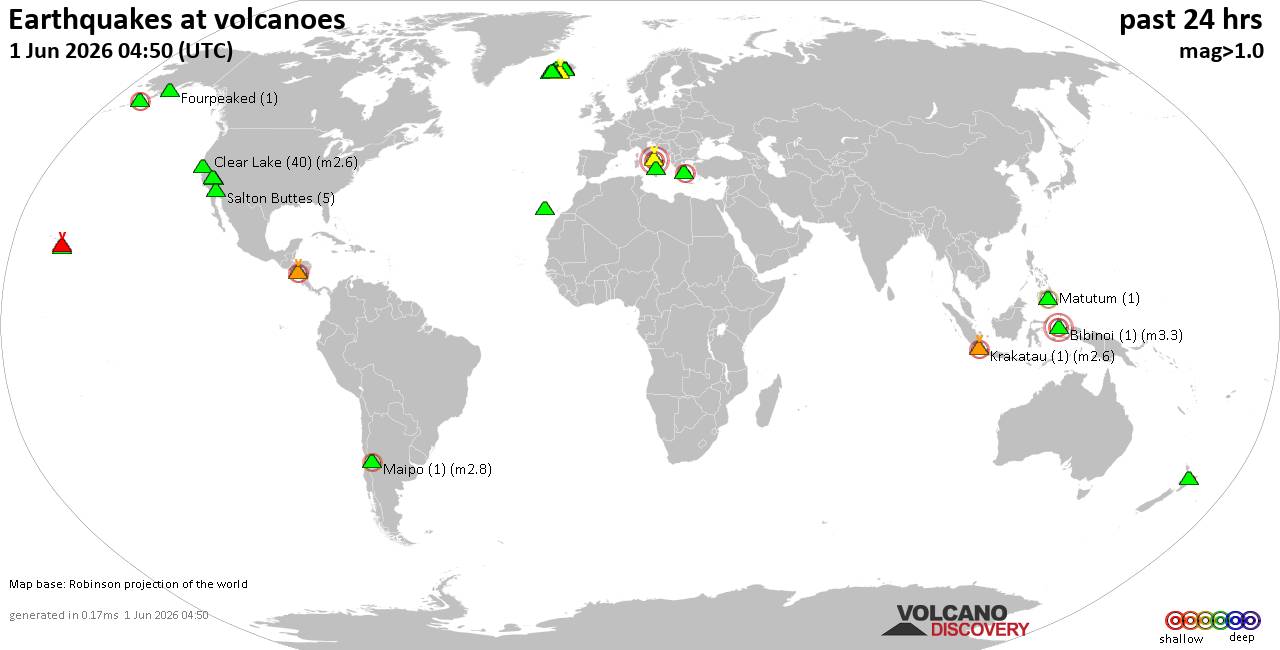
Volcano earthquake report for Monday, 1 Jun 2026
• Strong mag. 5.0 earthquake - Southeast of Easter Island on Monday, Jun 1, 2...
• Strong mag. 5.0 earthquake - Southeast of Easter Island on Monday, Jun 1, 2...
• Strong mag. 5.7 earthquake - North Pacific Ocean, 335 km southeast of Hachi...
• Strong mag. 5.7 earthquake - North Pacific Ocean, 335 km southeast of Hachi...
|

#169142
Wed 19 Jun 2013 05:00:PM
|
Joined: Feb 2001
Posts: 381,904
Launch Director
|
OP

Launch Director
Joined: Feb 2001
Posts: 381,904 |
The arrival of filtering required spammers to switch strategy. The carpetbaggers of spam’s youth left the scene, ushering in criminal sophisticates who set to work spoofing the filters. The game had changed. As Finn Brunton recounts in his brilliant history of spam, excerpted here for a second day: “Rather than sales pitches for goods or sites, they [messages] could be used for phishing, identity theft, credit card scams, and infecting the recipient’s computer with viruses, worms, adware, and other forms of dangerous and crooked malware. A successful spam message could net many thousands of dollars, rather than $5 or $10 plus whatever the spammer might make selling off their good addresses to other spammers.” Brunton illustrates the ingenuity of this transformation by detailing the highly inventive litspam--the hijacking of entire texts of Borges or Conan Doyle to waltz past spam filtering algorithms. [More]Source: Spam: A Shadow History of the Internet [Excerpt, Part 2]
David Cottle
UBB Owner & Administrator
|
|



CMS The Best Conveyancing solicitors conveyancing quotes throughout the UK
For any webhosting enquiries please email webmaster@aus-city.com
|
|
Forums60
Topics777,912
Posts812,717
Members2,960
| |
Most Online22,463
May 9th, 2026
|
|
|
|
|
Copyright 1996 - 2026 by David Cottle. Designed by David Bate Jr. All Rights Reserved.
By using this forum, the user agrees not to transfer any data or technical information received under this agreement to any other entity without the express approval of the AUS-CITY Forum Admins and/or authors of individual posts (Forum Admins and DoD/USSPACECOM for the analysis of satellite tracking data).
Two-line elements (TLE) and all other satellite data presented and distributed via this forum and AUS-CITY mailing lists are distributed with permission from DoD/USSTRATCOM.

|

|