|
1 members (Webmaster),
2,572
guests, and
21
robots. |
|
Key:
Admin,
Global Mod,
Mod
|
|
S |
M |
T |
W |
T |
F |
S |
|
|
|
|
|
|
1
|
2
|
|
3
|
4
|
5
|
6
|
7
|
8
|
9
|
|
10
|
11
|
12
|
13
|
14
|
15
|
16
|
|
17
|
18
|
19
|
20
|
21
|
22
|
23
|
|
24
|
25
|
26
|
27
|
28
|
29
|
30
|
|
31
|
|
|
|
|
|
|
|
There are no members with birthdays on this day. |
|
|
|
|
|
|
by Webmaster - Wed 20 May 2026 12:27:AM
|
by Webmaster - Wed 20 May 2026 12:27:AM
|
by Webmaster - Wed 20 May 2026 12:27:AM
|
|
|
|
|
|
|
|
|
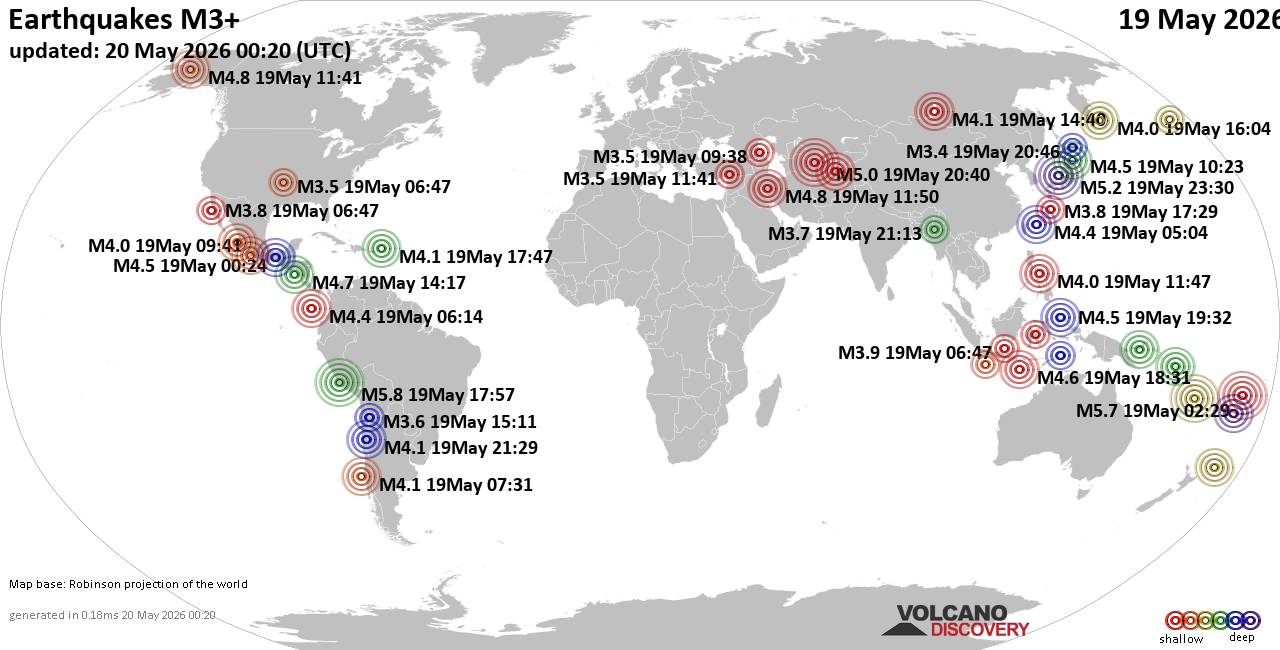
World Earthquake Report for Tuesday, 19 May 2026
• Volcano earthquake report for Tuesday, 19 May 2026
• Magnitude 5.2 earthquake strikes near Kahoku, Kahoku Shi, Ishikawa-ken, Jap...
• Moderate mag. 4.7 earthquake - Southern Iran on Tuesday, May 19, 2026, at 1...
• Strong mag. 5.2 earthquake - Sea of Japan or East Sea, 98 km northwest of K...
• Moderate mag. 4.5 earthquake - 25 km northwest of Takayama, Gifu, Japan, on...
|

#757026
Fri 07 Mar 2025 05:20:PM
|
Joined: Feb 2001
Posts: 381,904
Launch Director
|
OP

Launch Director
Joined: Feb 2001
Posts: 381,904 |
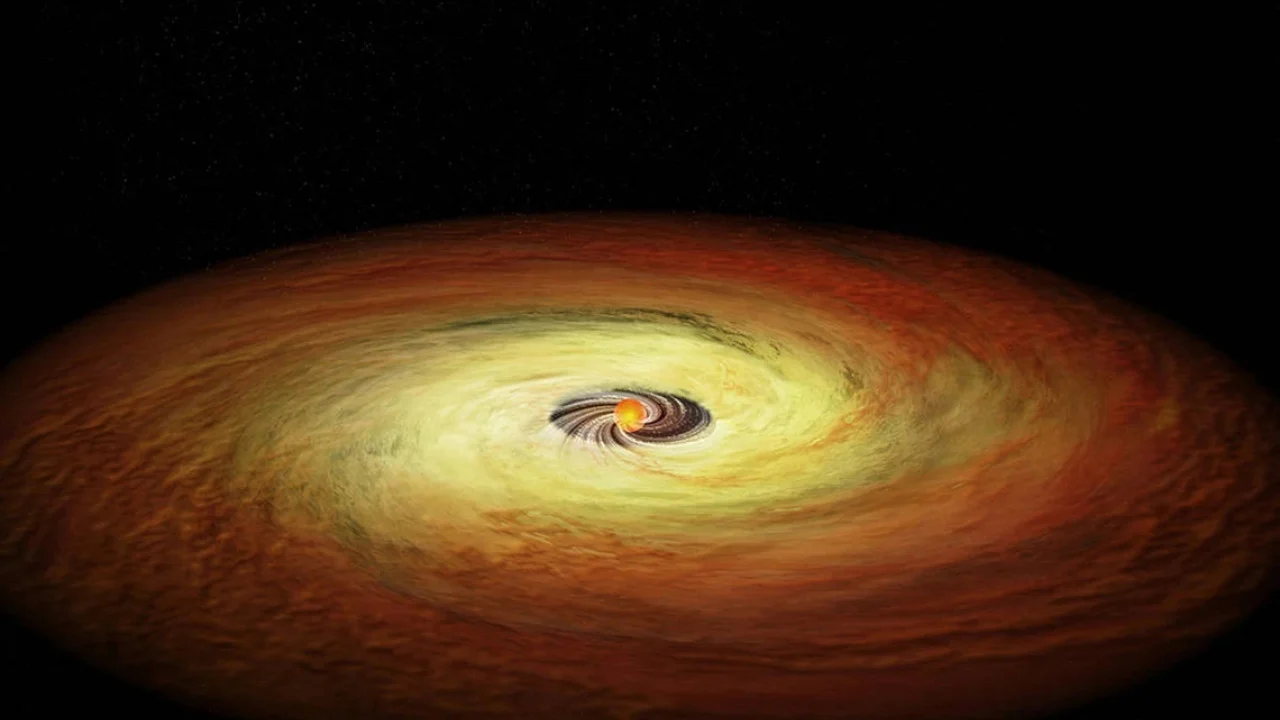
When young stars form, they accumulate an accretion disk of dust and gas, which eventually forms planets. Typically, this process lasts less than 10 million years, as the increasing radiation from the star disperses the remaining material. However, recent observations from the James Webb Space Telescope have revealed a protoplanetary disk in a system estimated to be 30 million years old—three times longer than the expected lifespan. Scientists have already determined this is not a debris disk created by colliding planets, it’s an intriguing discovery that has forced a review of our model of planetary system and stellar evolution. Source: A Protoplanetary Disk That Refuses to Grow Up
|
|



CMS The Best Conveyancing solicitors conveyancing quotes throughout the UK
For any webhosting enquiries please email webmaster@aus-city.com
|
|
Forums60
Topics775,530
Posts810,322
Members2,960
| |
Most Online22,463
May 9th, 2026
|
|
|