|
|
|
0 members (),
1,574
guests, and
24
robots. |
|
Key:
Admin,
Global Mod,
Mod
|
|
S |
M |
T |
W |
T |
F |
S |
|
|
|
|
|
1
|
2
|
3
|
|
4
|
5
|
6
|
7
|
8
|
9
|
10
|
|
11
|
12
|
13
|
14
|
15
|
16
|
17
|
|
18
|
19
|
20
|
21
|
22
|
23
|
24
|
|
25
|
26
|
27
|
28
|
29
|
30
|
31
|
|
There are no members with birthdays on this day. |
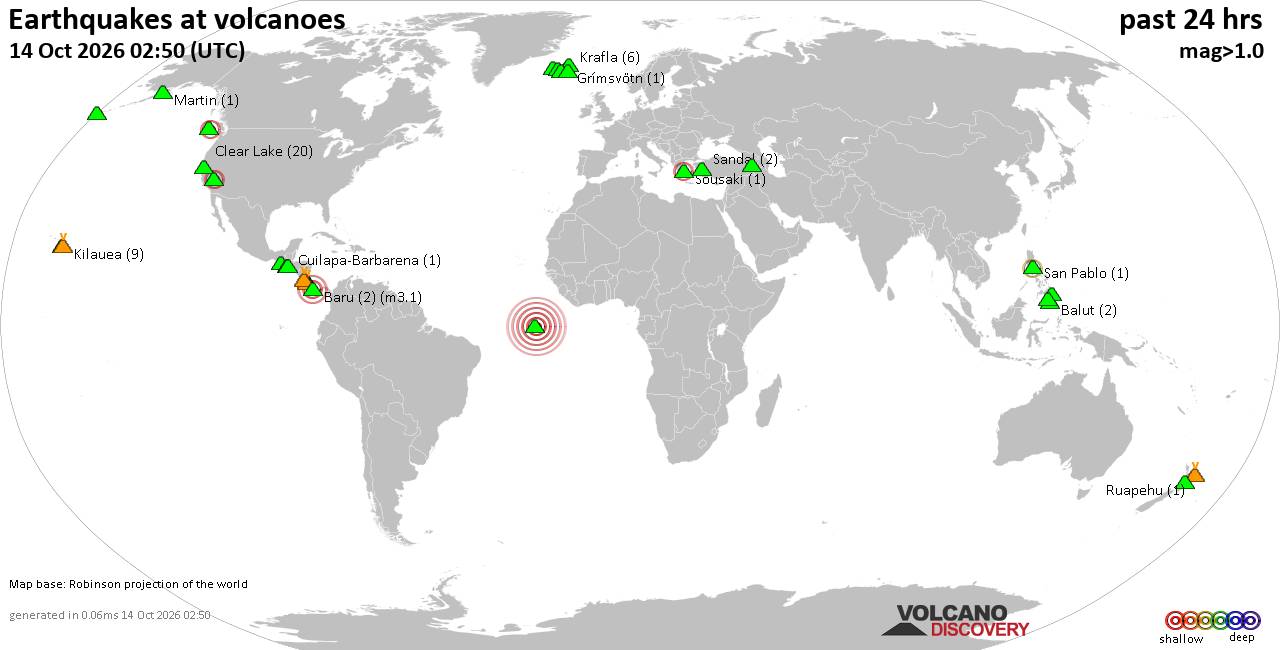
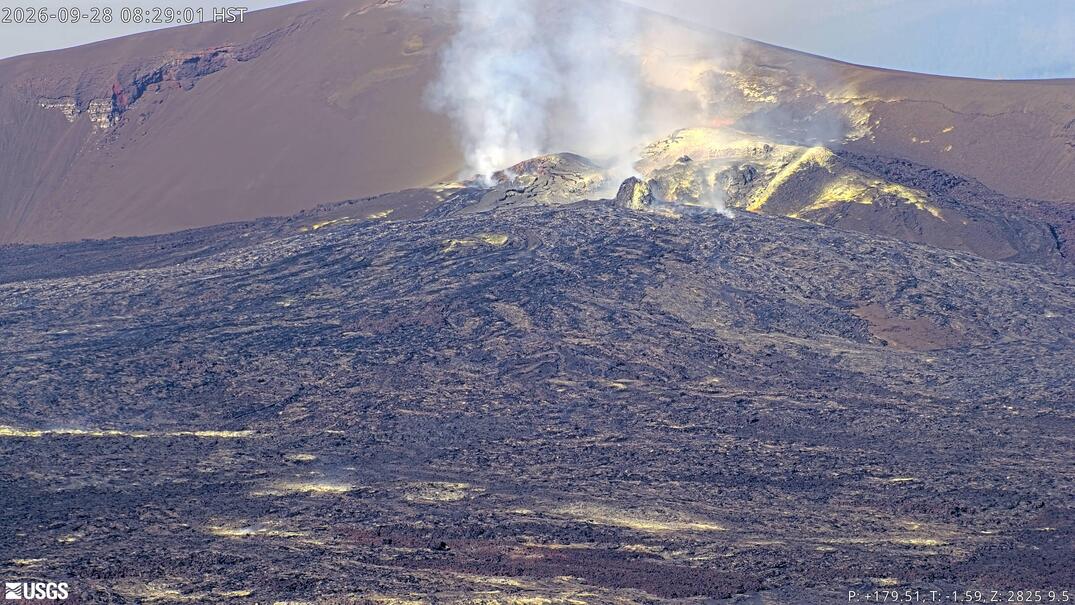
Volcano earthquake report for Wednesday, 14 October 2026
• M 2.0 - 4 km SW of Thomasville, Missouri
• M 3.0 - 23 km NE of Hydesville, CA
• M 2.8 - 6 km WSW of Wilderness Rim, Washington
• M 2.5 - 7 km N of Alex, Oklahoma
• M 3.0 - 23 km NE of Hydesville, CA
• M 7.7 - 12 km WSW of Pitaloza Arriba, Panama
|
|
|
Joined: Jun 2010
Posts: 55
Astronaut Level 2
|
|
Astronaut Level 2
Joined: Jun 2010
Posts: 55 |
My thoughts:
Some partial validity in the above.
If nothing offends an individual, they cannot be offended.
A prerequisite cognitive state does not necessarily determine potential for a future cognitive state.
An individual for example might not feel ashamed, but with certain new conditions, feel ashamed at a later moment as they are still susceptible to the concept of feeling shame.
The third point - Often times many people would not consciously agree to feel a particular way - depressed, angry etc - the feelings arise without prior agreement, often in a reactionary moment.
So certainly the aspect of choice I would agree with, but there is the ability to choose, and conscious self-awareness or mindfulness to be considered as well.
Essentially an over-simplified way to view, but still somewhat valid in terms of universal reflection.
|
|



CMS The Best Conveyancing solicitors conveyancing quotes throughout the UK
For any webhosting enquiries please email webmaster@aus-city.com
|
|
Forums60
Topics874,660
Posts909,456
Members2,960
| |
Most Online102,106
Jul 10th, 2026
|
|
|
|
|

|